

Nuclear weapons · Government policy · History
The Bomb: Presidents, Generals, and the Secret History of Nuclear War by Fred Kaplan — Summary, Key Ideas & Quotes
2020384 pages✦ 3-min Big ideas
Rate it
From the author the classic The Wizards of Armageddon and Pulitzer Prize finalist comes the definitive history of American policy on nuclear war—and Presidents’ actions in nuclear crises—from Truman to Trump. Fred Kaplan, hailed by The New York Times as “a rare combination of defense intellectual and pugnacious reporter,” takes us into the White House Situation Room, the Joint Chiefs of Staff’s “Tank” in the Pentagon, and the vast chambers of Strategic Command to bring us the untold stories—based on exclusive interviews and previously classified documents—of how America’s presidents and generals have thought about, threatened, broached, and just barely avoided nuclear war from the dawn of the atomic age until today. Kaplan’s historical research and deep reporting will stand as the permanent record of politics. Discussing theories that have dominated nightmare scenarios from Hiroshima and Nagasaki, Kaplan presents the unthinkable in terms of mass destruction and demonstrates how the nuclear war reality will not go away, regardless of the dire consequences.
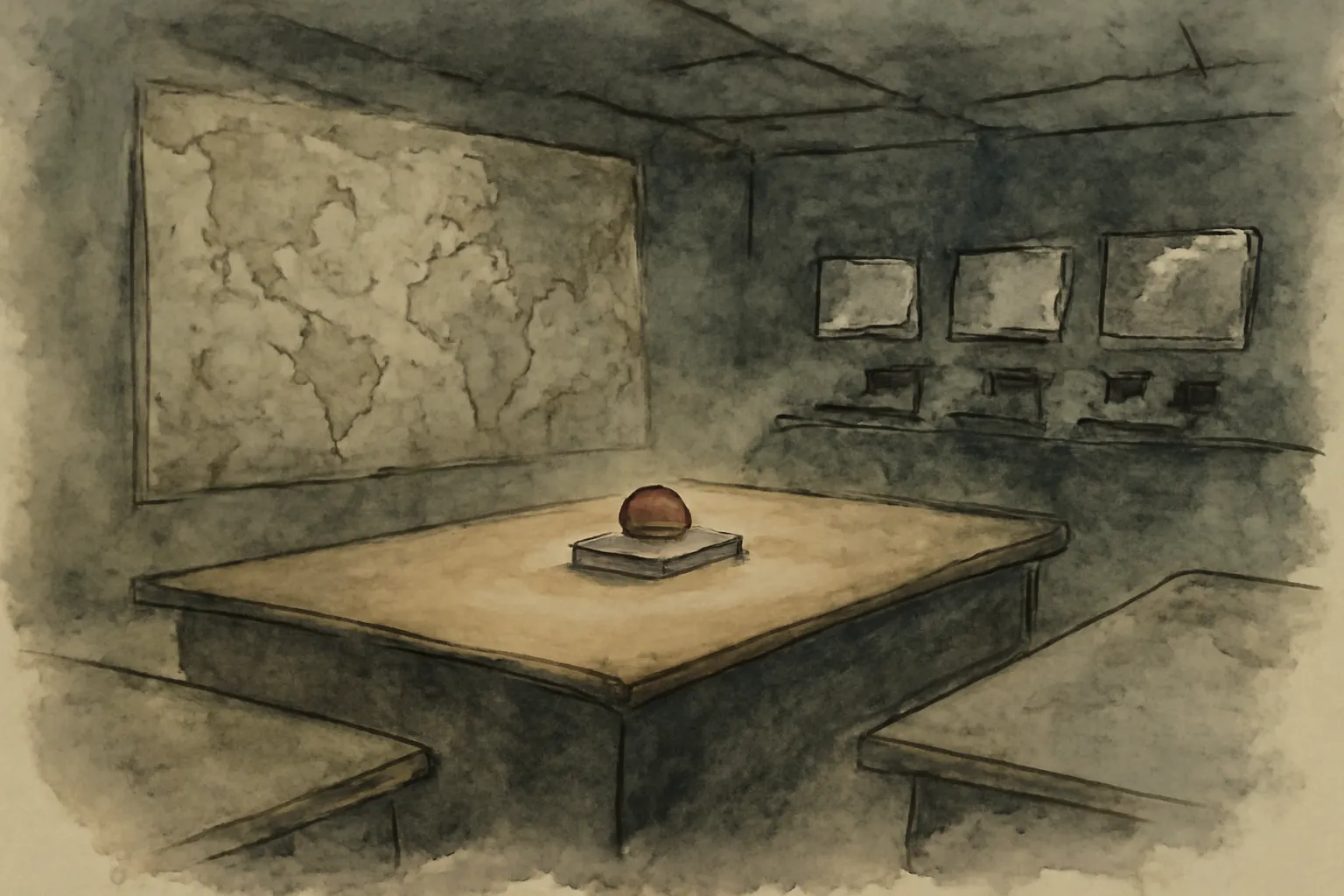
Despite the end of the Cold War and shifting global politics, the machinery and mindset of nuclear war planning remain deeply entrenched in U.S. defense policy. Kaplan shows how, from Truman to Trump, presidents have inherited and often perpetuated a system built for total war, with little room for flexibility or realistic options. The book reveals how the logic of deterrence and the elaborate plans for retaliation have survived, sometimes more out of bureaucratic inertia than strategic necessity.
Kaplan explores the enormous, often solitary responsibility placed on the president, who alone can authorize a nuclear strike. The so-called 'nuclear football'—the briefcase with launch codes—symbolizes this burden. The book details how presidents have reacted to this awesome power, often with anxiety or disbelief, and how the system’s design leaves little time for reflection or dissent in a crisis.