1.The Persistence of Nuclear War Planning
Despite the end of the Cold War and shifting global politics, the machinery and mindset of nuclear war planning remain deeply entrenched in U.S. defense policy. Kaplan shows how, from Truman to Trump, presidents have inherited and often perpetuated a system built for total war, with little room for flexibility or realistic options. The book reveals how the logic of deterrence and the elaborate plans for retaliation have survived, sometimes more out of bureaucratic inertia than strategic necessity.
2.Presidential Power and the 'Nuclear Football'
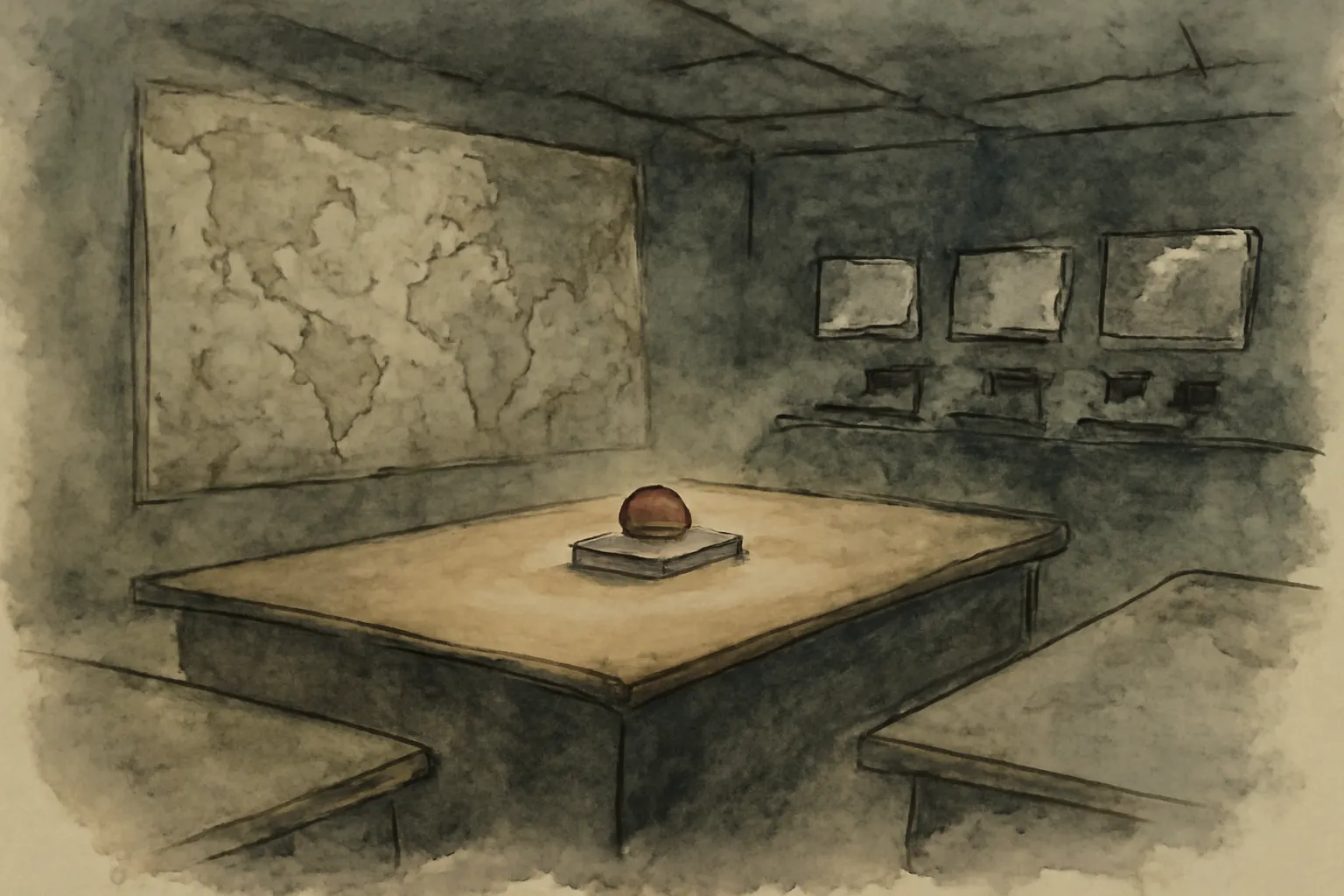
Kaplan explores the enormous, often solitary responsibility placed on the president, who alone can authorize a nuclear strike. The so-called 'nuclear football'—the briefcase with launch codes—symbolizes this burden. The book details how presidents have reacted to this awesome power, often with anxiety or disbelief, and how the system’s design leaves little time for reflection or dissent in a crisis.
3.The Illusion of Control
A recurring theme is the gap between the theoretical control over nuclear weapons and the messy reality of human error, miscommunication, and unpredictable events. Kaplan documents near-misses, misunderstandings, and the fallibility of even the most carefully crafted plans. The book argues that the belief in precise, rational control over nuclear arsenals is largely an illusion, raising profound questions about safety and stability.
4.Bureaucratic Politics and the Generals’ Influence
Kaplan uncovers how military leaders and defense bureaucracies have shaped, and sometimes resisted, presidential directives. The inertia of established war plans, the ambitions of generals, and inter-service rivalries often drive nuclear policy as much as, or more than, civilian oversight. The result is a system that can be both rigid and dangerously improvisational.
5.The Ethics and Psychology of Deterrence
The book delves into the moral and psychological dilemmas at the heart of nuclear deterrence: leaders must be willing to threaten mass destruction to prevent it. Kaplan examines how different presidents have wrestled with this paradox, and how the logic of deterrence can warp both policy and personal conscience.
6.The Enduring Relevance—and Danger—of Nuclear Weapons
Kaplan’s narrative underscores that, despite decades of arms control and disarmament rhetoric, nuclear weapons remain central to U.S. security policy. The risks of accidental war, miscalculation, or escalation have not disappeared. The book warns that as long as these weapons exist, the threat of catastrophe is ever-present.