Bible, versions
The Book of the Dead by Anonymous — Summary, Key Ideas & Quotes
1974640 pages✦ 3-min Big ideas
Rate it
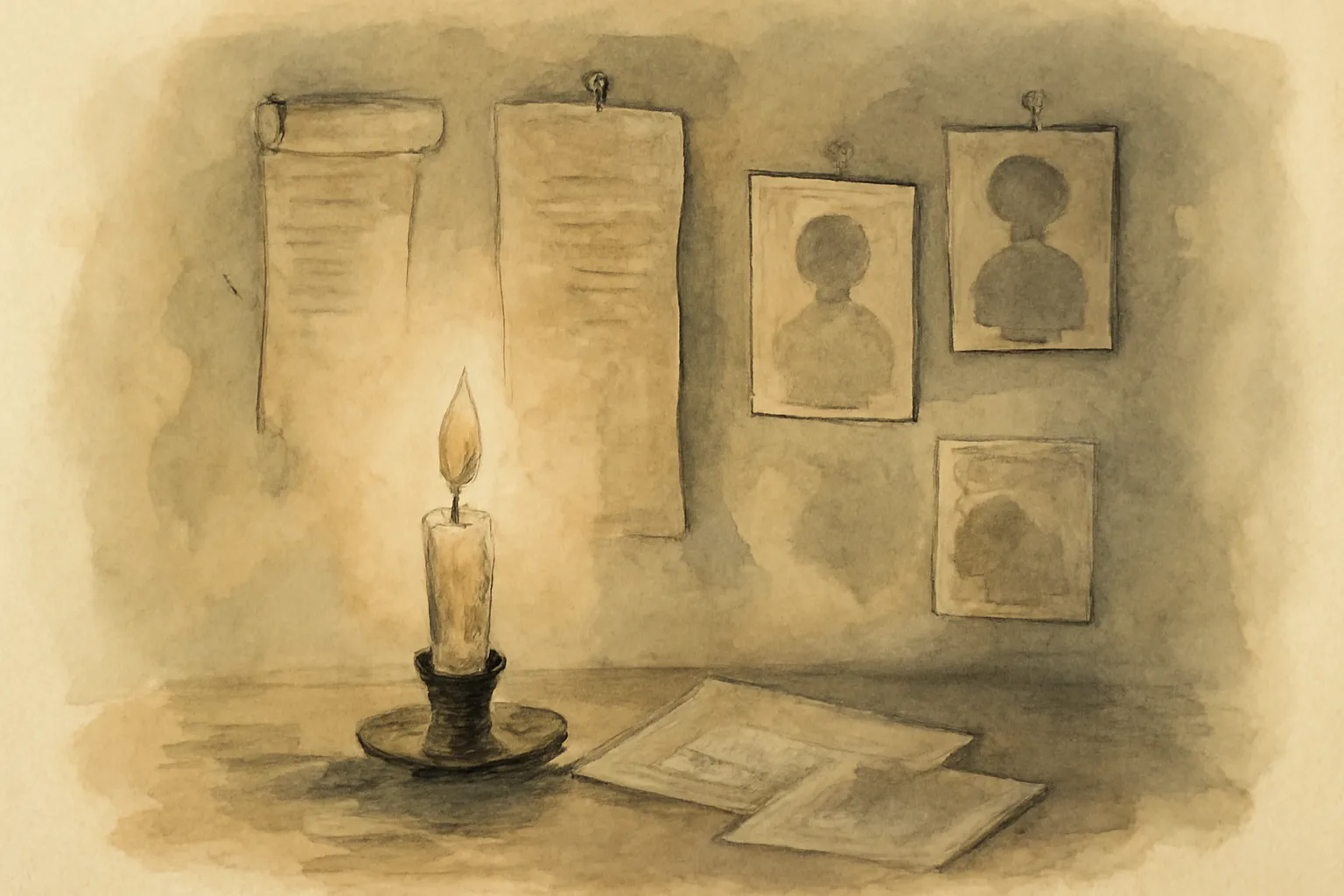
A central motif in The Book of the Dead is the idea that memory can serve as a form of resurrection. The text suggests that the dead are never truly gone as long as they are remembered, and that the act of recalling the past is a way of granting the departed a continued presence in the world of the living. This interplay between memory and mortality raises questions about the nature of existence and the ways in which we construct meaning from loss.
The book employs a fragmented, nonlinear structure, mirroring the disjointed nature of memory itself. By presenting stories, voices, and images out of chronological order, the author challenges readers to piece together meaning from the shards of narrative. This technique not only reflects the chaos of grief but also invites active engagement, as readers become participants in reconstructing the lives and deaths depicted within the text.