1.Memory as Resurrection
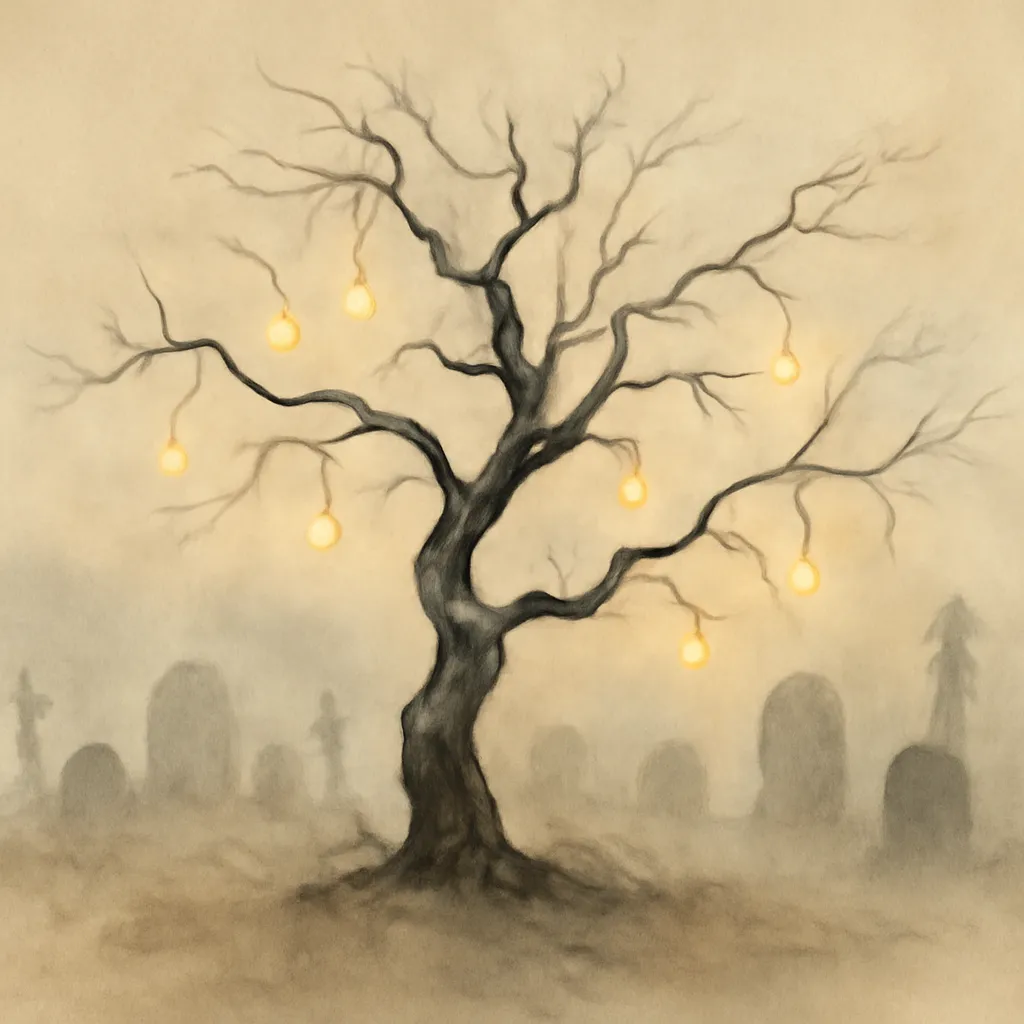
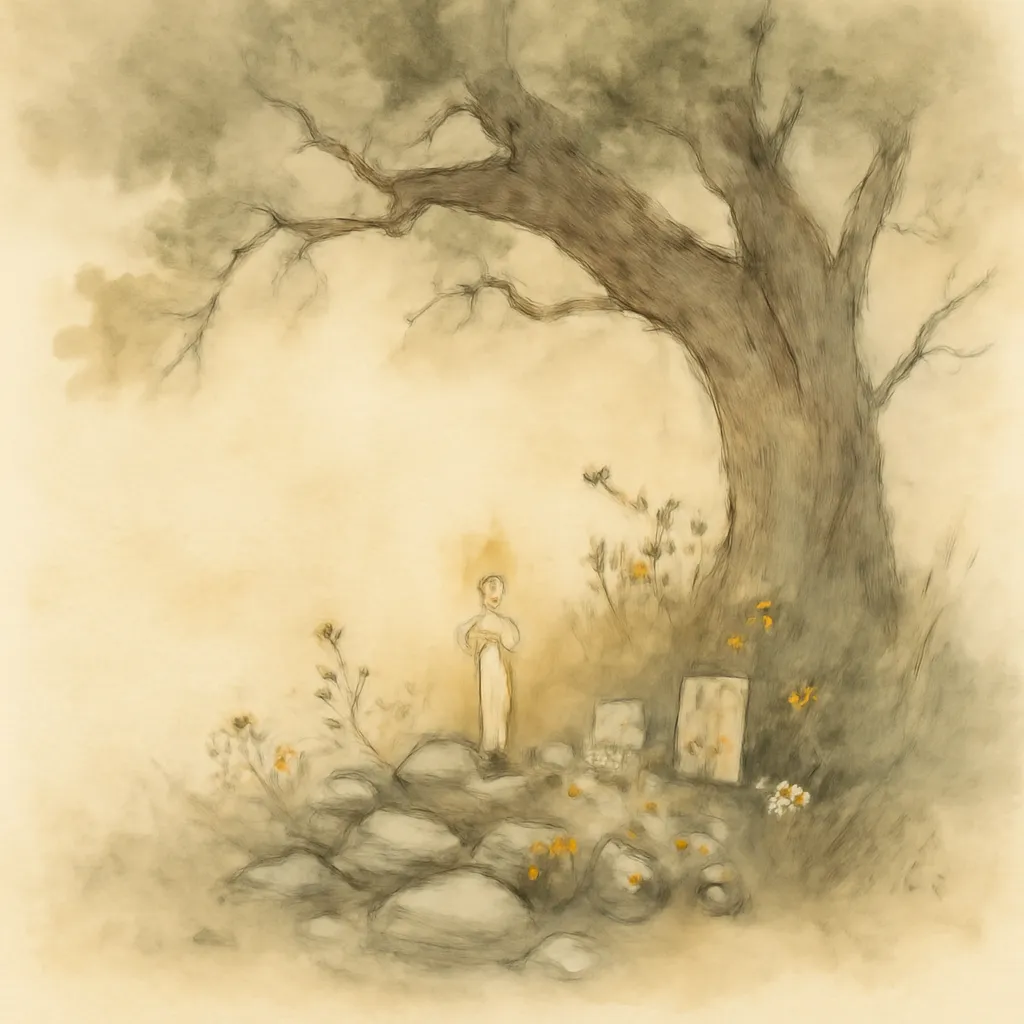
A central motif in The Book of the Dead is the idea that memory can serve as a form of resurrection. The text suggests that the dead are never truly gone as long as they are remembered, and that the act of recalling the past is a way of granting the departed a continued presence in the world of the living. This interplay between memory and mortality raises questions about the nature of existence and the ways in which we construct meaning from loss.
2.Fragmented Narratives
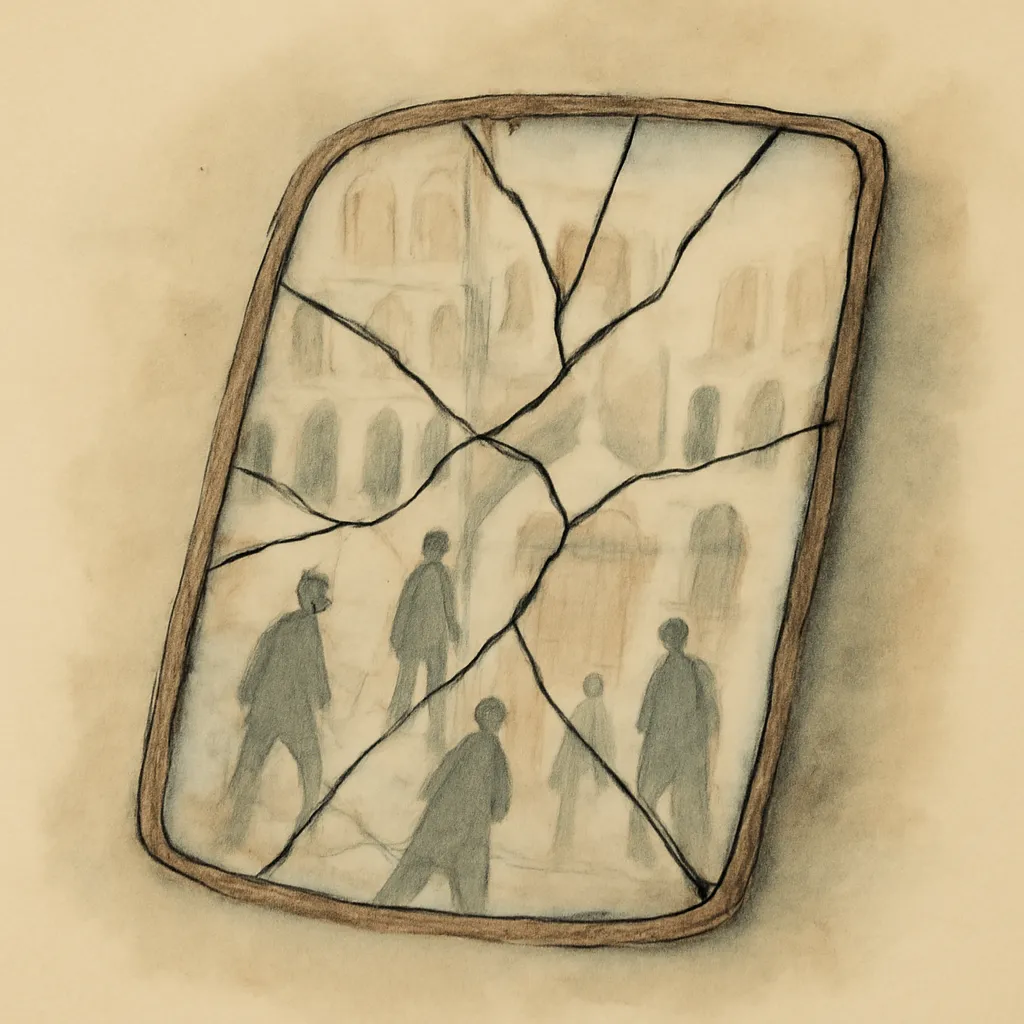
The book employs a fragmented, nonlinear structure, mirroring the disjointed nature of memory itself. By presenting stories, voices, and images out of chronological order, the author challenges readers to piece together meaning from the shards of narrative. This technique not only reflects the chaos of grief but also invites active engagement, as readers become participants in reconstructing the lives and deaths depicted within the text.
3.The Boundary Between Life and Death
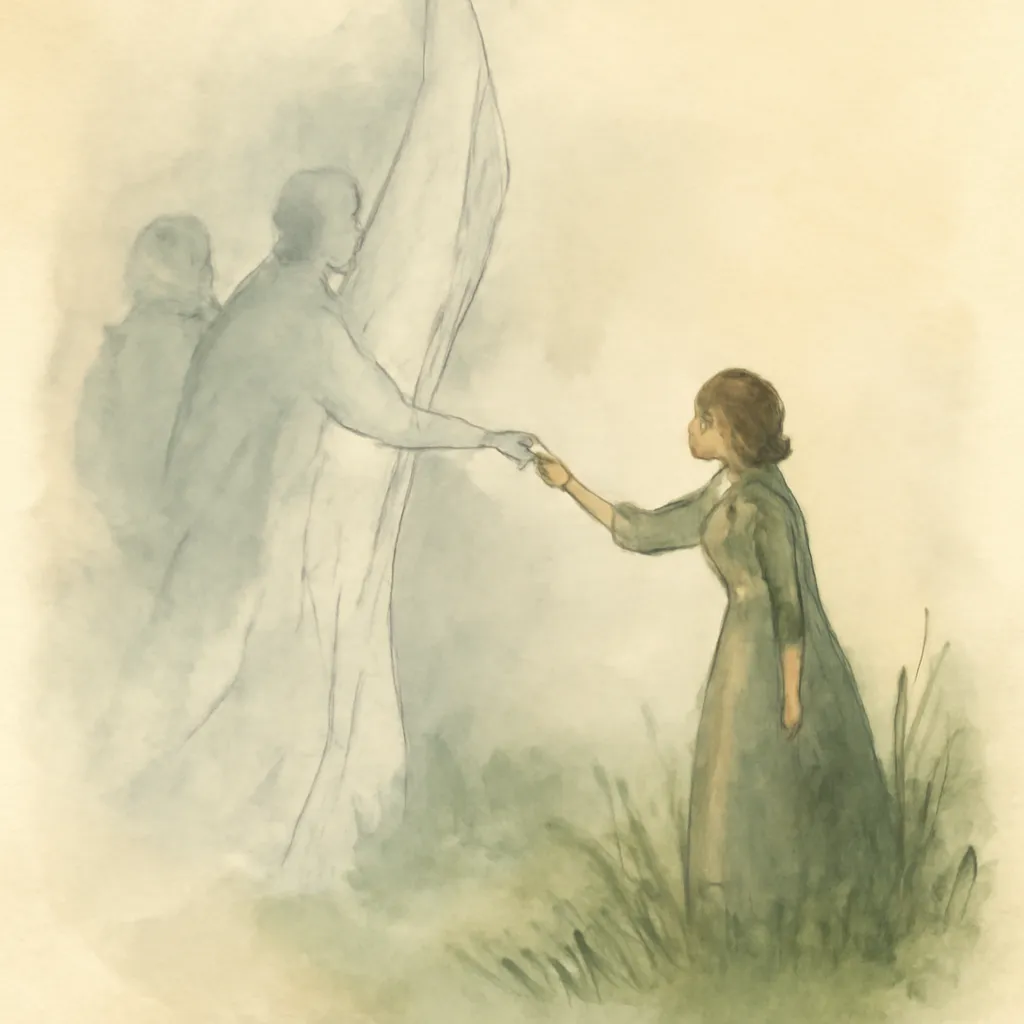
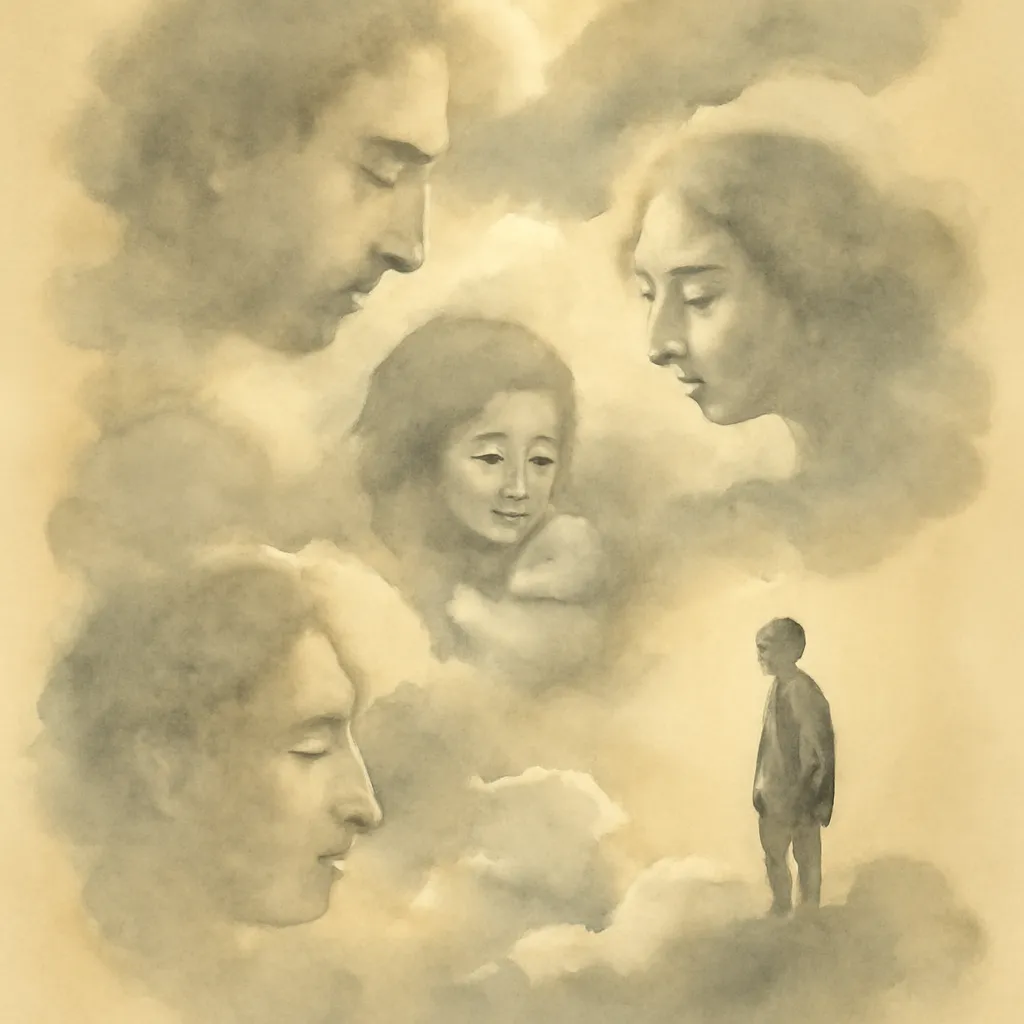
The Book of the Dead blurs the line between the living and the dead, suggesting that the two realms are not as separate as they seem. Through dreamlike passages and ambiguous encounters, the book explores how the dead continue to influence the living, whether through haunting memories, unresolved emotions, or the lingering impact of their actions. This thematic ambiguity fosters a sense of unease and wonder, prompting readers to reconsider their assumptions about mortality.
4.Ritual and Remembrance
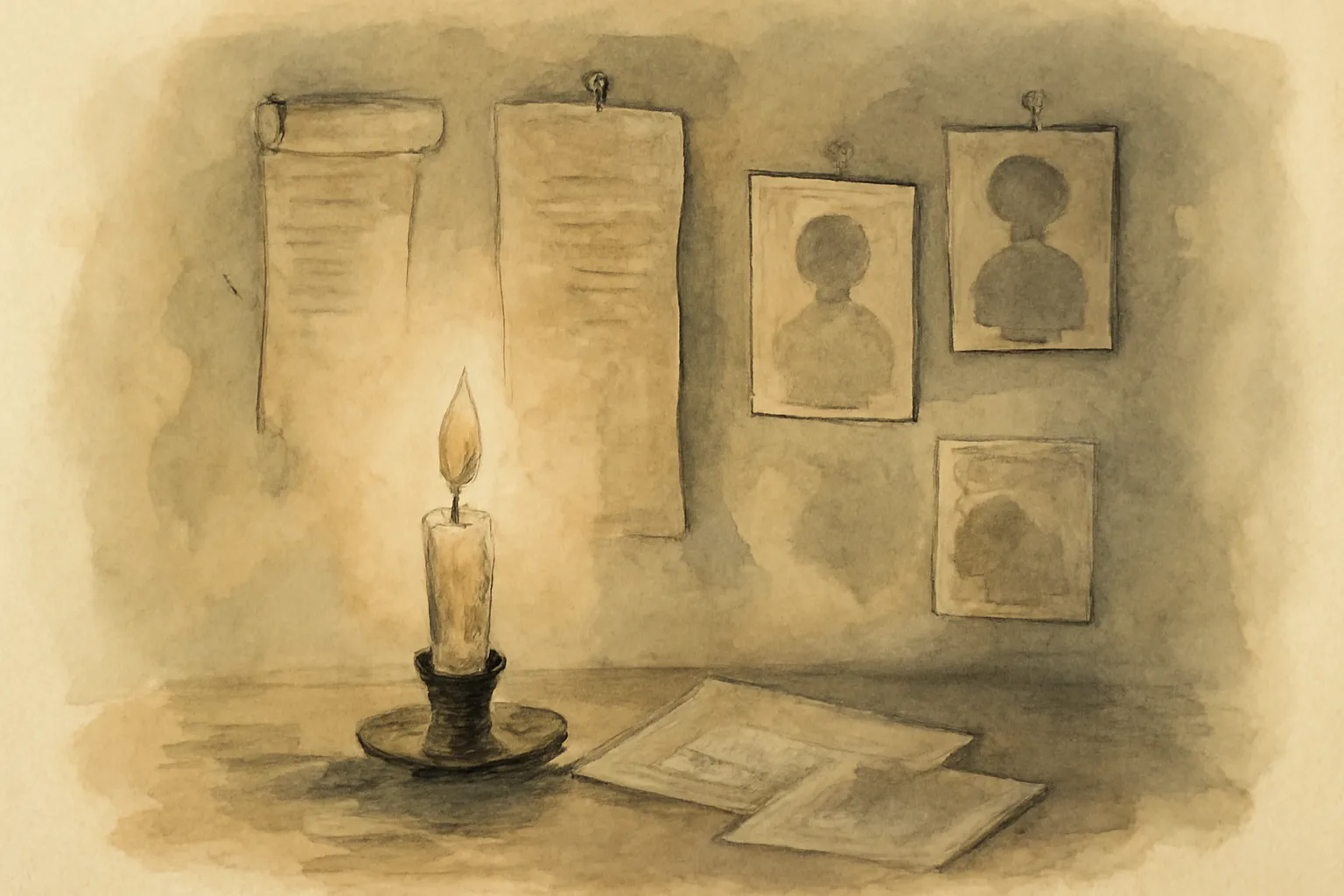
Rituals of mourning and remembrance recur throughout the book, highlighting the human need for ceremony in the face of death. Whether through formal rites or private acts of commemoration, these rituals serve as anchors in the tumultuous process of grieving. The book examines how such practices both comfort and constrain, offering solace while also imposing order on the chaos of loss.
5.Identity Beyond Death
Another key idea is the persistence of identity after death. The book questions whether the self is defined by memory, by the stories others tell, or by something more elusive. Through shifting perspectives and unreliable narrators, the text probes the limits of selfhood, suggesting that identity is both fragile and enduring, shaped by those who remember and those who are forgotten.
6.Language as Invocation
The act of storytelling itself is portrayed as a form of invocation, a way of calling the dead back into the world. The book meditates on the power and limitations of language, exploring how words can both preserve and distort the past. This self-reflexive approach invites readers to consider their own role as witnesses and storytellers in the ongoing dialogue between the living and the dead.