
Buddhism · Buddhist Funeral rites and ceremonies · Death
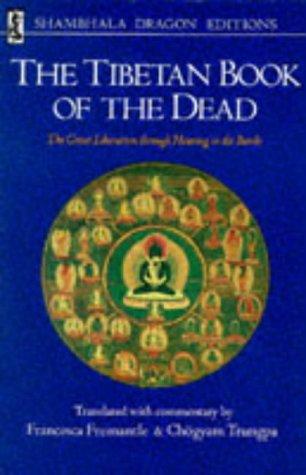
The Book of the Dead (Tibetan) by Karma Lingpa — Summary, Key Ideas & Quotes
1957249 pages✦ 3-min Big ideas★ 0.0
Rate it
A classic of Buddhist wisdom, this book was composed in the eighth century to prepare souls for the afterworld, it has become influential in the West for its psychological insights into the processes of death and dying, and also of grieving.

Central to the book is the concept of 'bardos'—intermediate states between death and rebirth. The text describes the experiences one encounters in these bardos, emphasizing that awareness continues beyond physical death. Each bardo presents opportunities for liberation or further entanglement, depending on one’s recognition of the true nature of mind. This framework is not just metaphysical but also psychological, inviting readers to reflect on transitions and liminal spaces in life as well as after death.
A recurring theme is the importance of recognizing the true nature of reality—emptiness, luminosity, and the mind’s projections. The book instructs the dying to recognize visions and experiences as manifestations of their own mind, rather than external threats or promises. This recognition is key to achieving liberation from the cycle of rebirth, and the text serves as a guide for training the mind to see through illusion, both in life and death.
“O child of noble family, listen without distraction.”
“Now, when the bardo of dying dawns upon me, I will abandon all grasping, yearning, and attachment.”
“Recognize whatever appears as a projection of your own mind.”