1.The Bardo States
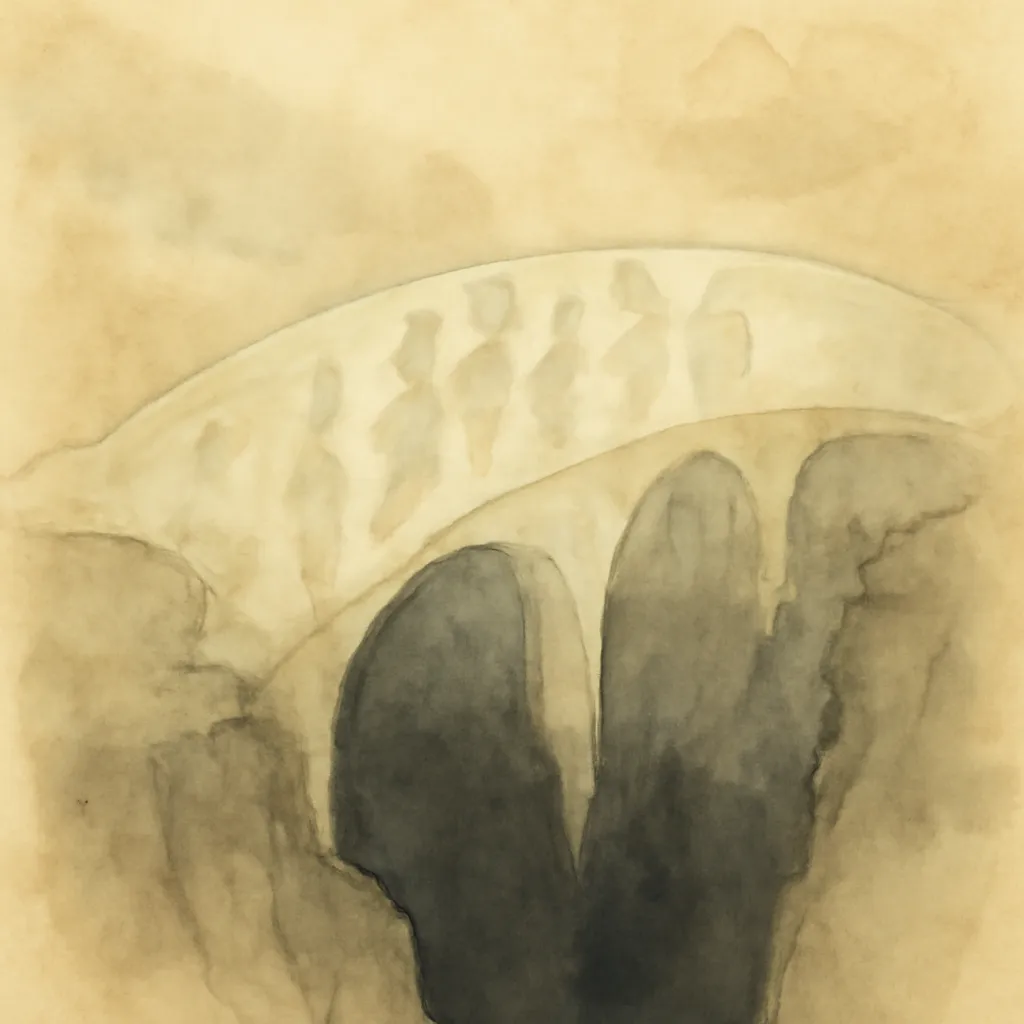
Central to the book is the concept of 'bardos'—intermediate states between death and rebirth. The text describes the experiences one encounters in these bardos, emphasizing that awareness continues beyond physical death. Each bardo presents opportunities for liberation or further entanglement, depending on one’s recognition of the true nature of mind. This framework is not just metaphysical but also psychological, inviting readers to reflect on transitions and liminal spaces in life as well as after death.
2.The Power of Recognition
A recurring theme is the importance of recognizing the true nature of reality—emptiness, luminosity, and the mind’s projections. The book instructs the dying to recognize visions and experiences as manifestations of their own mind, rather than external threats or promises. This recognition is key to achieving liberation from the cycle of rebirth, and the text serves as a guide for training the mind to see through illusion, both in life and death.
3.Practical Guidance for the Dying and the Living
The Book of the Dead is intended to be read aloud to the dying, offering step-by-step instructions for navigating the after-death experience. It provides mantras, visualizations, and reminders to help the consciousness avoid fear and confusion. For the living, it offers a compassionate framework for supporting the dying and understanding grief, emphasizing the interconnectedness of all beings and the impermanence of existence.
4.Confronting Fear and Desire
The text vividly describes terrifying and alluring visions that arise after death—manifestations of one’s own karma and mental habits. By recognizing these as projections, the soul can avoid being driven by fear or seduced by desire, which would otherwise lead to rebirth in lower realms. This teaching extends to daily life, encouraging readers to face their own fears and desires with awareness and equanimity.
5.The Illusory Nature of Reality
Underlying the entire text is the Buddhist doctrine that all phenomena are ultimately illusory and empty. The dazzling and frightening experiences of the bardos are likened to dreams or hallucinations. The book encourages the cultivation of non-attachment and insight into emptiness, which frees the mind from suffering and the endless cycle of samsara.
6.Compassion and Interconnectedness
The Book of the Dead is suffused with compassion, not only for the deceased but for all beings caught in the cycle of birth and death. It urges readers to cultivate loving-kindness, both as a means of supporting the dying and as a spiritual practice for oneself. This compassion is rooted in the recognition of shared suffering and the universal longing for liberation.