

The Book of the Prefect by Leo VI — Summary, Key Ideas & Quotes
1882✦ 3-min Big ideas
Rate it
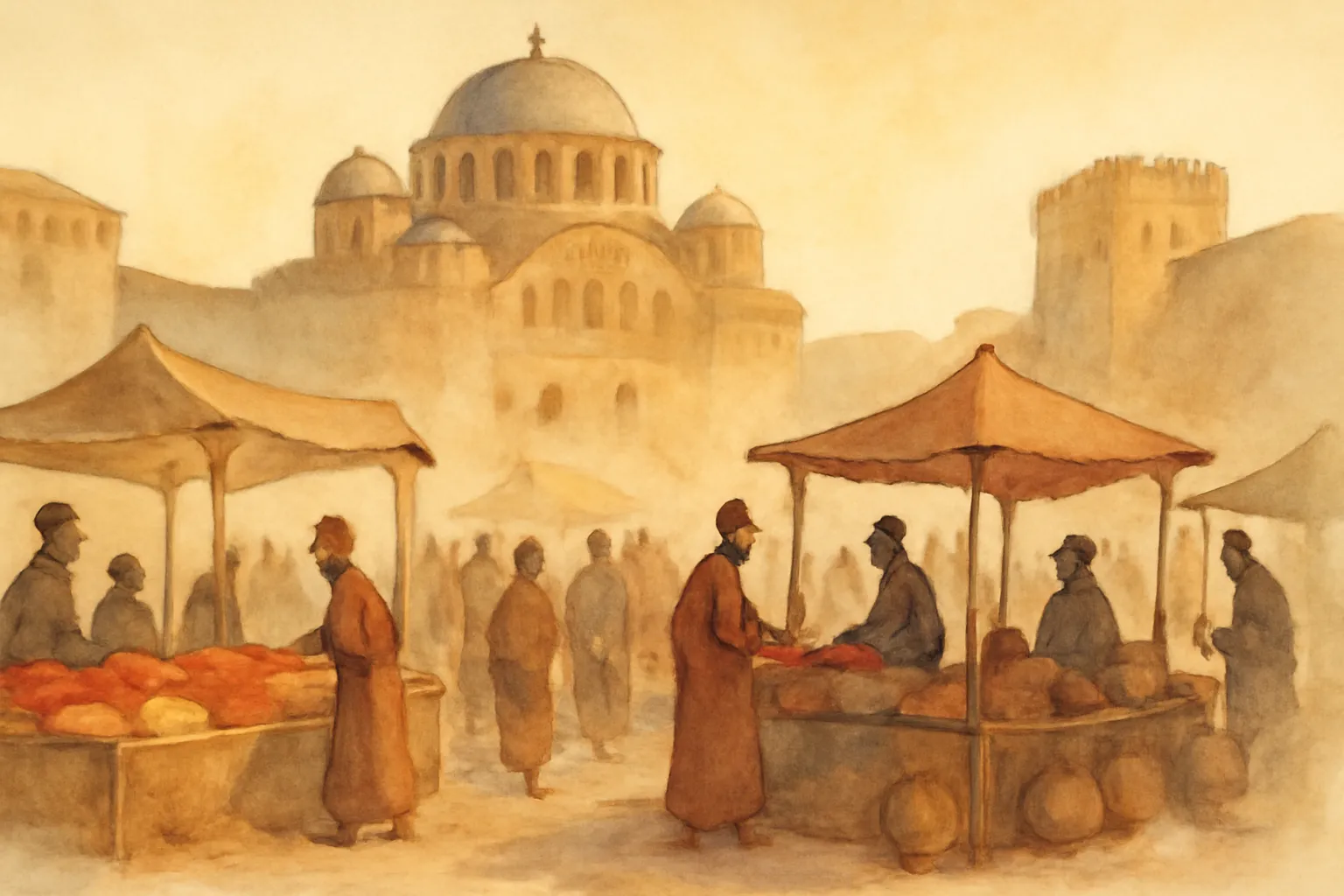
At its core, The Book of the Prefect is a manual for the city’s chief administrator, detailing how to maintain order and fairness in Constantinople’s bustling markets and workshops. The text lays out rules for guilds, prices, and professional conduct, reflecting the Byzantine concern for social harmony and the prevention of fraud or exploitation. It shows how the state intervened to balance public welfare with private enterprise, providing a blueprint for urban governance that was both pragmatic and moralistic.
The book meticulously describes the structure and duties of various professional guilds, from bakers and butchers to silk merchants and money-changers. By mandating membership and regulating practices, the state sought to ensure quality, prevent monopolies, and stabilize the supply of essential goods. This sheds light on the sophisticated level of economic organization in Byzantium and the importance of collective responsibility within trades.