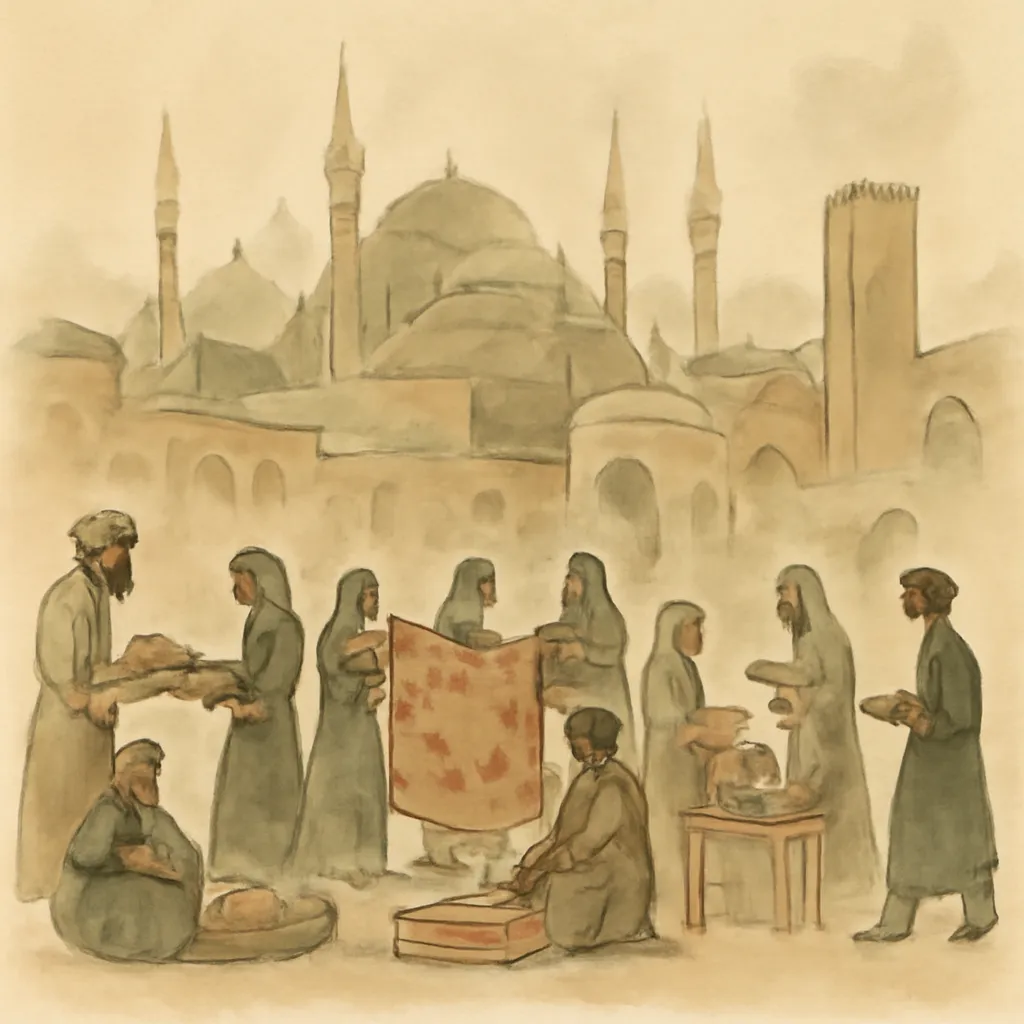
1.Urban Regulation and Social Order
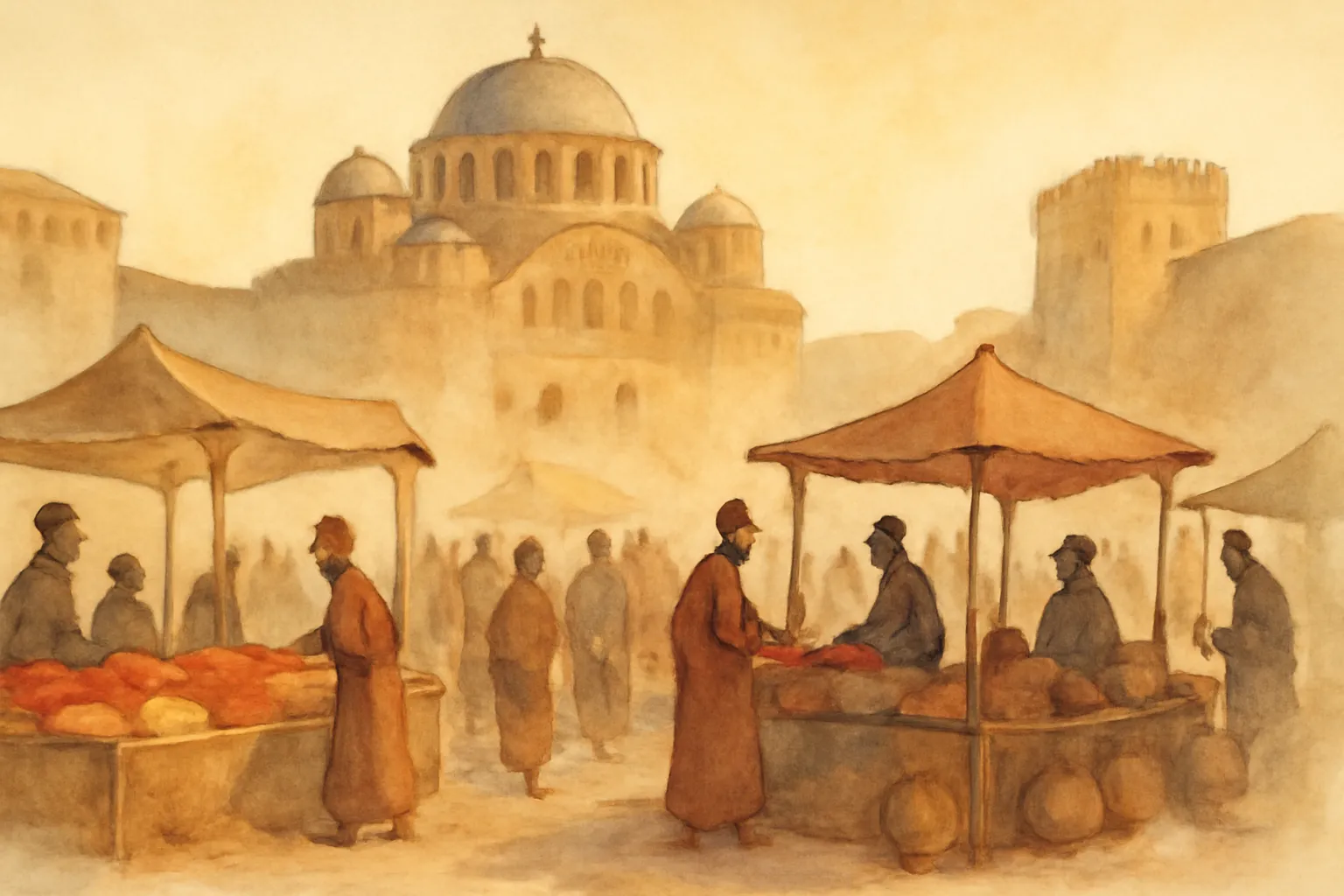
At its core, The Book of the Prefect is a manual for the city’s chief administrator, detailing how to maintain order and fairness in Constantinople’s bustling markets and workshops. The text lays out rules for guilds, prices, and professional conduct, reflecting the Byzantine concern for social harmony and the prevention of fraud or exploitation. It shows how the state intervened to balance public welfare with private enterprise, providing a blueprint for urban governance that was both pragmatic and moralistic.
2.Guilds and Professional Organization
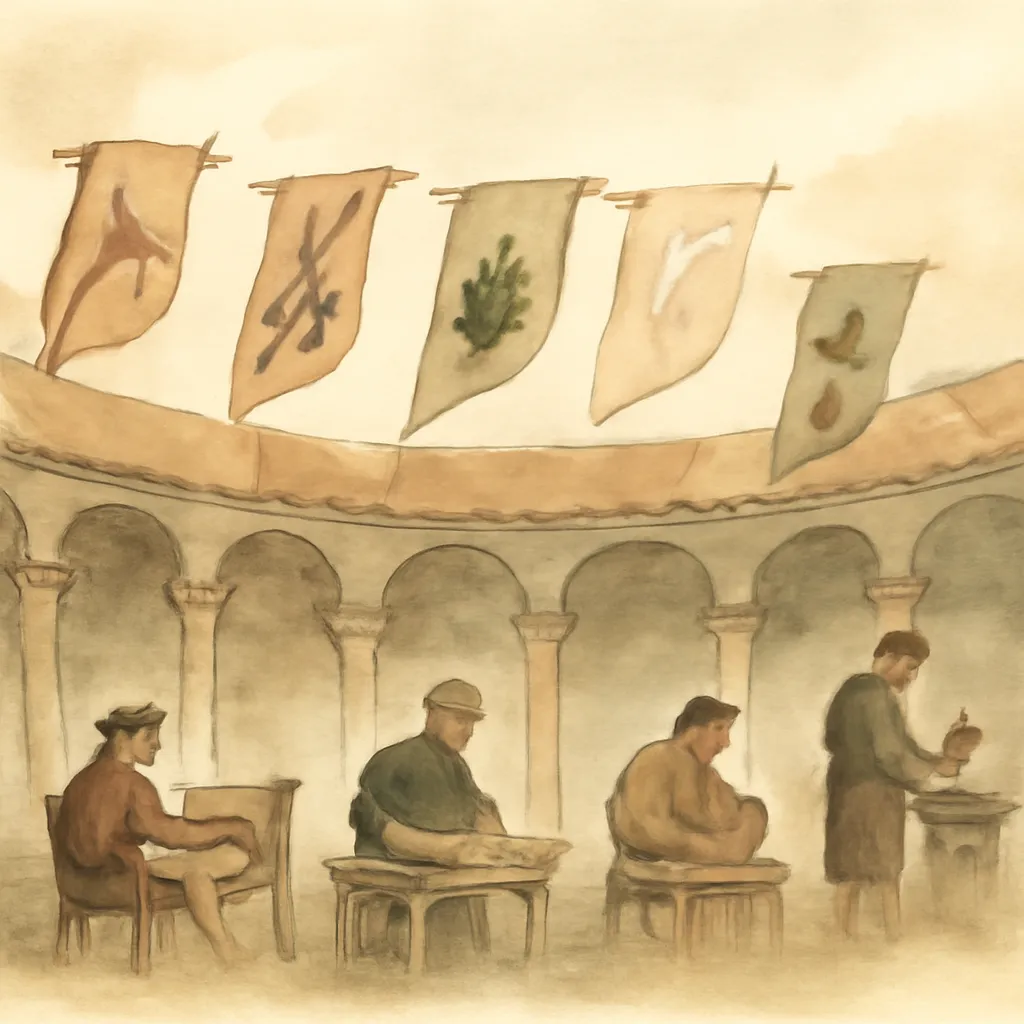
The book meticulously describes the structure and duties of various professional guilds, from bakers and butchers to silk merchants and money-changers. By mandating membership and regulating practices, the state sought to ensure quality, prevent monopolies, and stabilize the supply of essential goods. This sheds light on the sophisticated level of economic organization in Byzantium and the importance of collective responsibility within trades.
3.Price Controls and Economic Justice
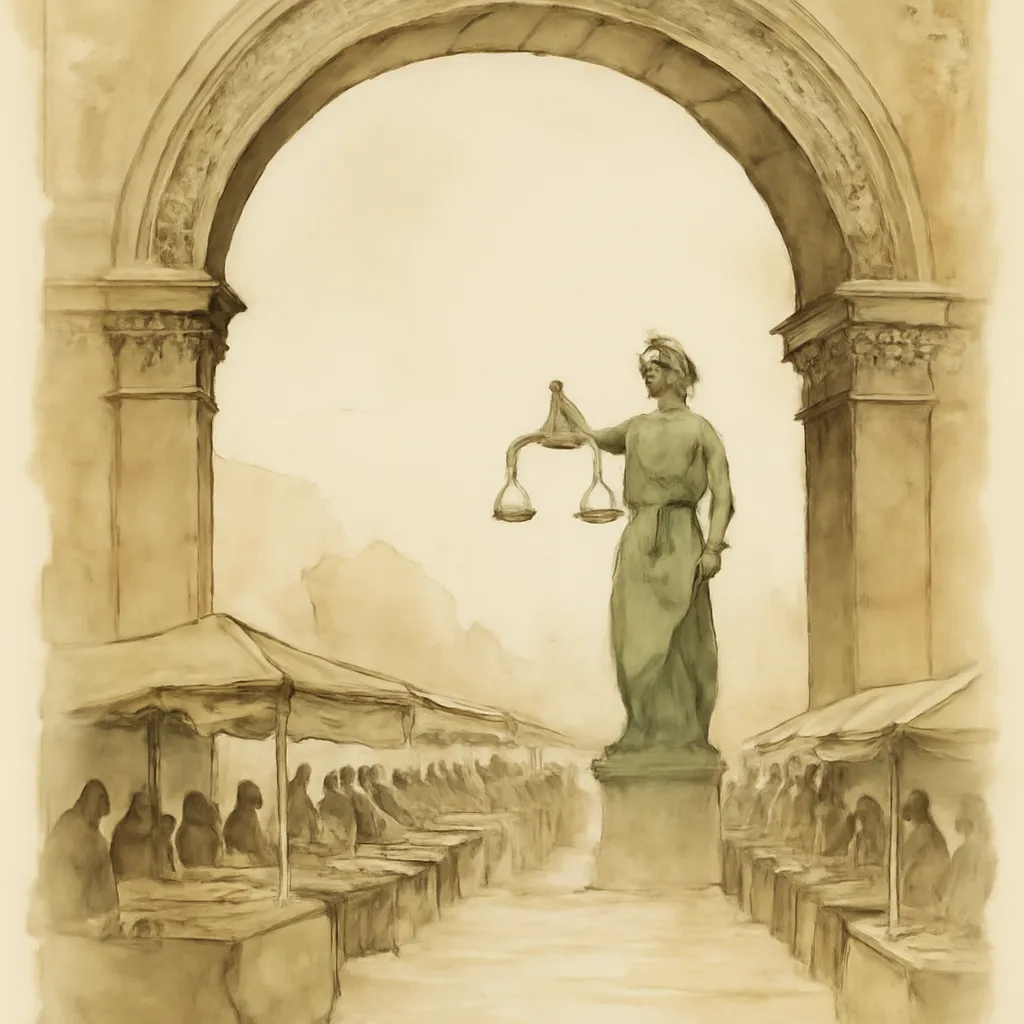
A significant portion of the text is devoted to setting maximum prices for goods and services, aiming to protect consumers from price gouging and ensure equitable access to necessities. These regulations demonstrate the Byzantine belief that the state had a duty to safeguard the common good, especially during times of scarcity or crisis. The book thus offers an early example of state intervention in the economy, balancing market forces with ethical considerations.
4.State Surveillance and Enforcement
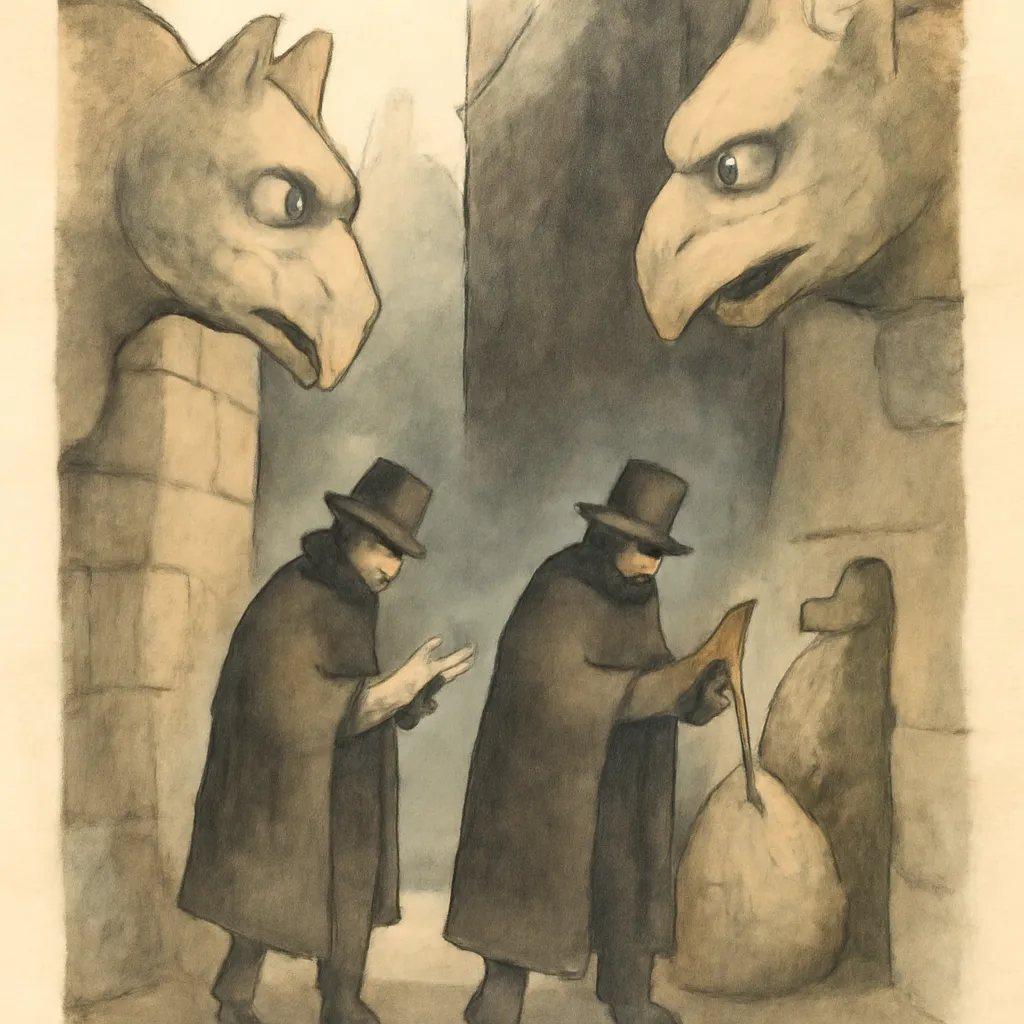
The Book of the Prefect details the mechanisms of oversight, including inspections, penalties, and the roles of officials. This reflects a society where the state was deeply involved in daily life, not only to prevent crime but also to uphold standards and public trust. The text illustrates the tension between autonomy and oversight, as well as the practical challenges of enforcing regulations in a vast, diverse metropolis.
5.Cultural and Religious Underpinnings
Beyond its legalistic tone, the book is suffused with references to Christian morality and imperial ideology. Regulations are justified not just on pragmatic grounds but as expressions of justice, charity, and the emperor’s divinely sanctioned role. This intertwining of law, faith, and politics is a hallmark of Byzantine governance and helps explain the durability of its institutions.
6.Insight into Daily Life and Urban Economy
By cataloging trades, products, and practices, The Book of the Prefect is a treasure trove for historians seeking to reconstruct daily life in medieval Constantinople. It reveals what people ate, wore, and bought, as well as the anxieties and aspirations of both rulers and ruled. The text is thus invaluable for understanding the lived experience of one of history’s great cities.