The Book of the Thousand Nights and a Night by Anonymous — Summary, Key Ideas & Quotes
2007453 pages✦ 3-min Big ideas
Rate it
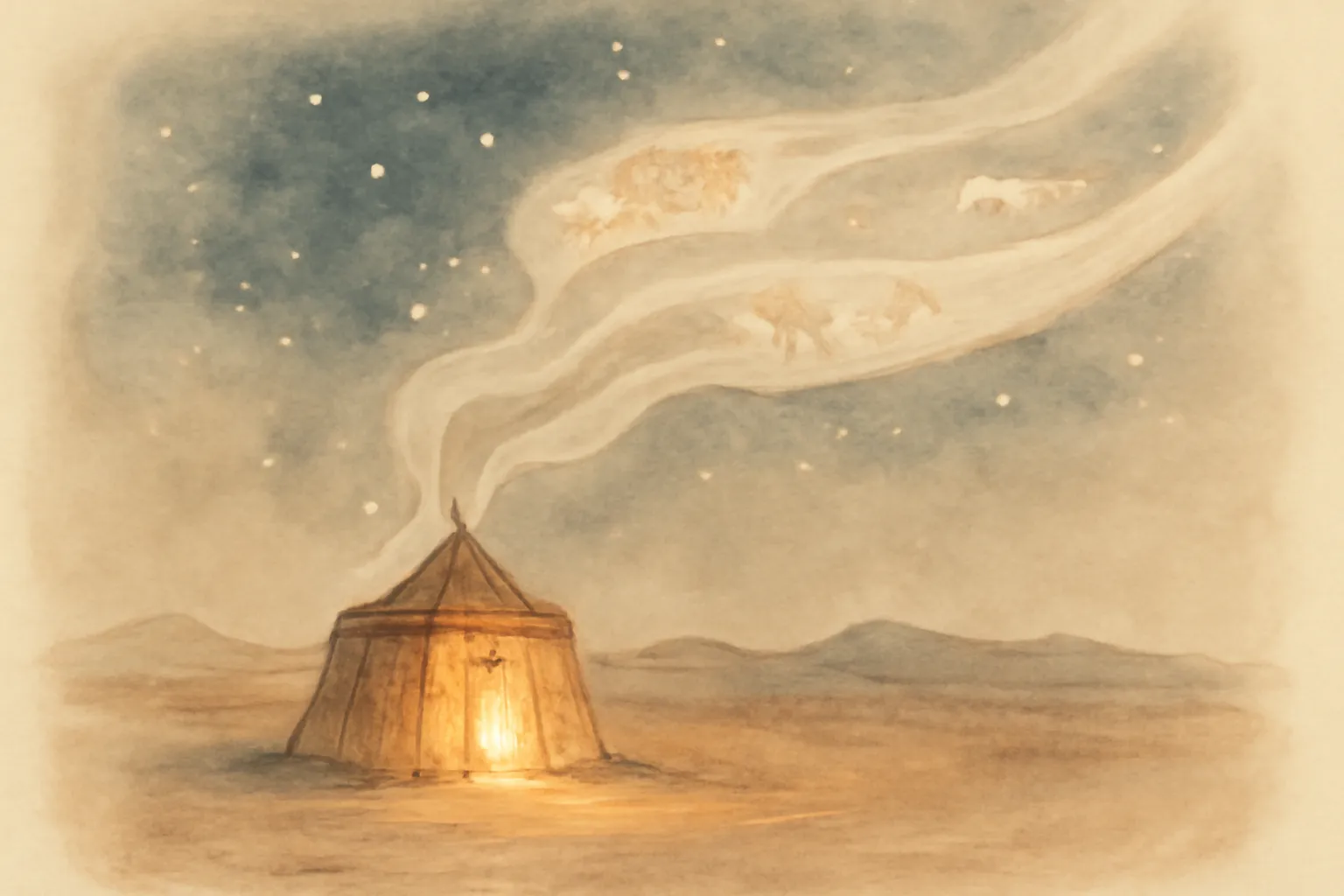
At its heart, the book is a celebration of storytelling as a means of survival, transformation, and connection. Scheherazade, the central narrator, spins tale after tale to postpone her execution, demonstrating how stories can wield real power over life and death. Her ingenuity not only saves her own life but also gradually transforms the king, suggesting that narrative has the ability to heal, educate, and humanize. The structure—stories within stories—highlights the endless possibilities of narrative, and the way tales can shape reality.
Unlike many didactic fables, these tales often dwell in ambiguity. Characters are rarely purely good or evil; instead, they are driven by desire, fear, jealousy, and hope. The stories explore themes of justice and revenge, loyalty and betrayal, love and lust, often leaving the reader with unresolved questions. This complexity reflects the messiness of real life and encourages readers to grapple with moral uncertainty.
“And when it was the dawn, she ceased to say her permitted say.”
“But morning overtook her, and she lapsed into silence.”