1.The Power of Storytelling
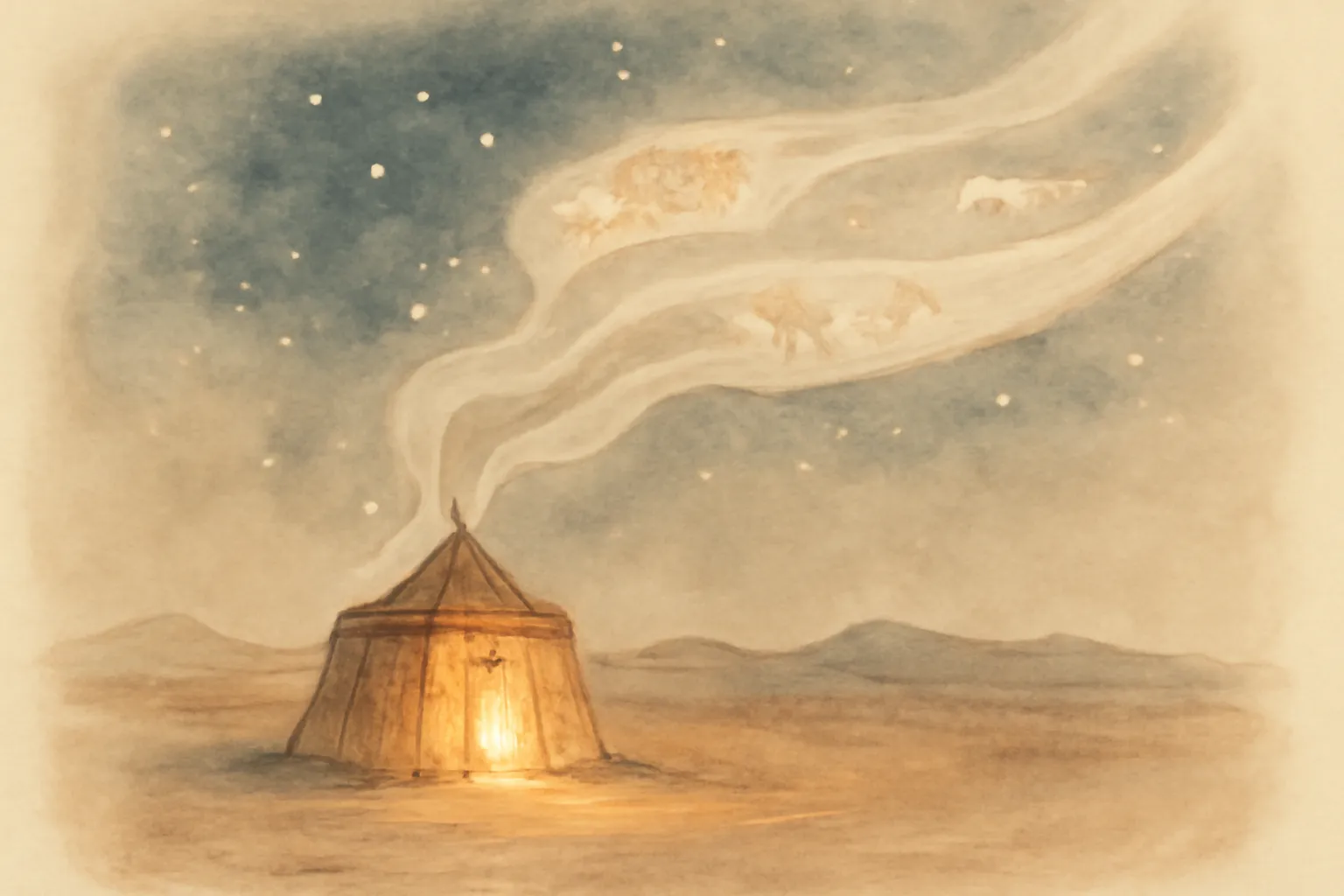
At its heart, the book is a celebration of storytelling as a means of survival, transformation, and connection. Scheherazade, the central narrator, spins tale after tale to postpone her execution, demonstrating how stories can wield real power over life and death. Her ingenuity not only saves her own life but also gradually transforms the king, suggesting that narrative has the ability to heal, educate, and humanize. The structure—stories within stories—highlights the endless possibilities of narrative, and the way tales can shape reality.
2.Moral Ambiguity and Human Complexity
Unlike many didactic fables, these tales often dwell in ambiguity. Characters are rarely purely good or evil; instead, they are driven by desire, fear, jealousy, and hope. The stories explore themes of justice and revenge, loyalty and betrayal, love and lust, often leaving the reader with unresolved questions. This complexity reflects the messiness of real life and encourages readers to grapple with moral uncertainty.
3.Cultural Mosaic and Exchange
The collection is a vibrant tapestry of influences—Persian, Indian, Arab, and later additions from other cultures. This diversity is evident in the settings, characters, and themes, which range from Baghdad to China, from merchants to genies. The book serves as a window into the medieval Islamic world, but also as a record of cultural exchange, migration, and adaptation. Its stories have traveled and evolved, reflecting the interconnectedness of human experience.
4.Fate, Fortune, and Agency
Many tales revolve around the unpredictability of fate and the role of fortune in human affairs. Characters are often swept up in events beyond their control, yet their choices and cleverness can alter outcomes. This interplay between destiny and agency is a recurring motif, inviting readers to ponder the limits of human control and the wisdom of adaptability.
5.Wonder, Fantasy, and the Supernatural
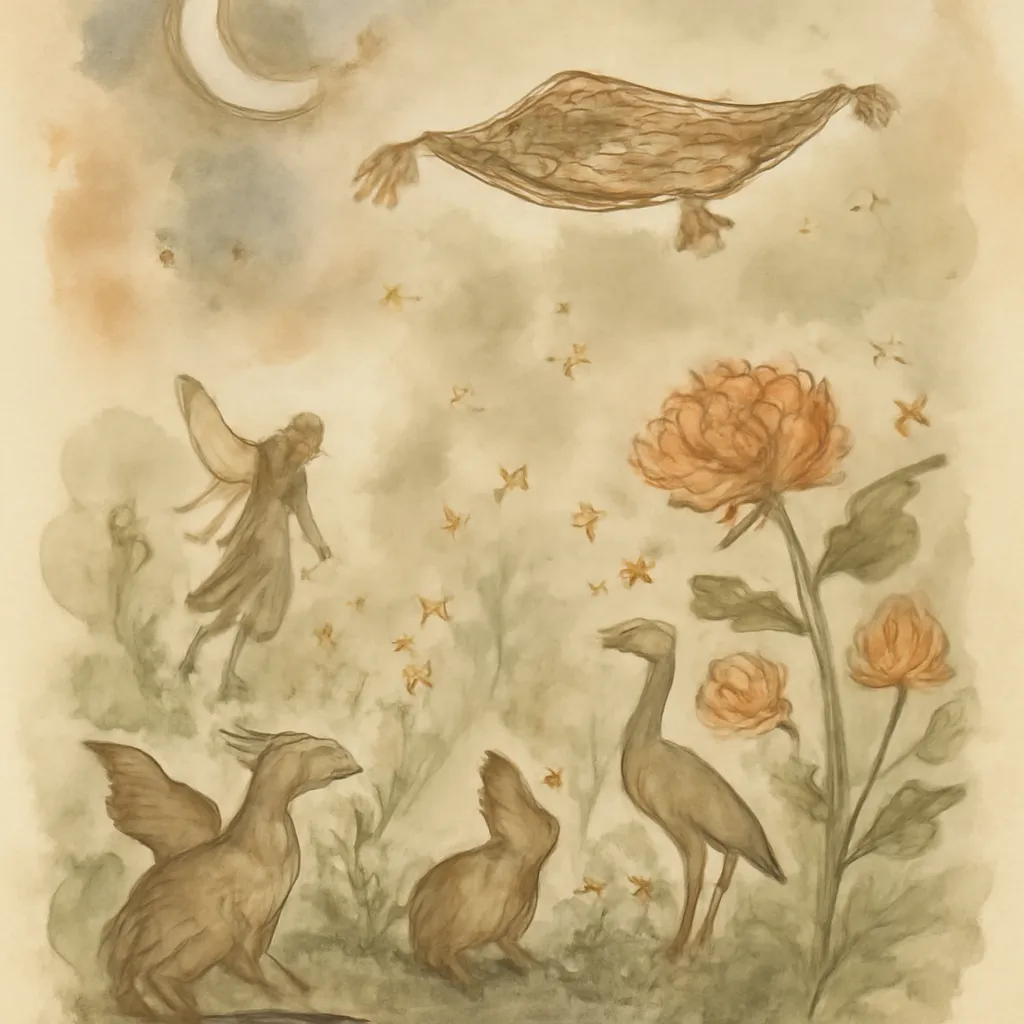
Magic carpets, jinn, enchanted islands—fantasy pervades the book, not merely as escapism but as a means of exploring deeper truths. The supernatural elements reflect human desires and fears, and allow for imaginative exploration of justice, power, and transformation. The blending of the marvelous with the mundane is part of what has made these tales endure and inspire countless adaptations.
6.Gender, Power, and Subversion
Scheherazade’s role as a woman who uses intellect and creativity to subvert her fate is both radical and enduring. The stories frequently examine gender dynamics, with women portrayed as both vulnerable and resourceful. While the tales reflect the patriarchal norms of their time, they also provide space for female agency and critique of authority.