

Ancient Civilization · Civilization, Ancient
The Civilization of the Middle Ages by Norman F. Cantor — Summary, Key Ideas & Quotes
2003240 pages✦ 3-min Big ideas
Rate it
Norman Cantor delivers this compact but magisterial survey of the ancient world, from the birth of Sumerian civilization around 3500B.C. in the Tigris-Euphrates valley (what is now present-day Iraq) to the fall of the Roman Empirein A.D. 453. In Antiquity, Cantor covers such subjects as Classical Greece, Judaism, the founding of Christianity, and the triumph and decline of Rome. In this fascinating and comprehensive analysis, the author explores social and cultural history, as well as the political and economic aspects of hisnarrative. He explains leading themes in religionand philosophy and discusses the environment, population, and public health. With his signature authority and insight, Cantor highlights the great books and ideas of antiquity that continue to influence culture today.
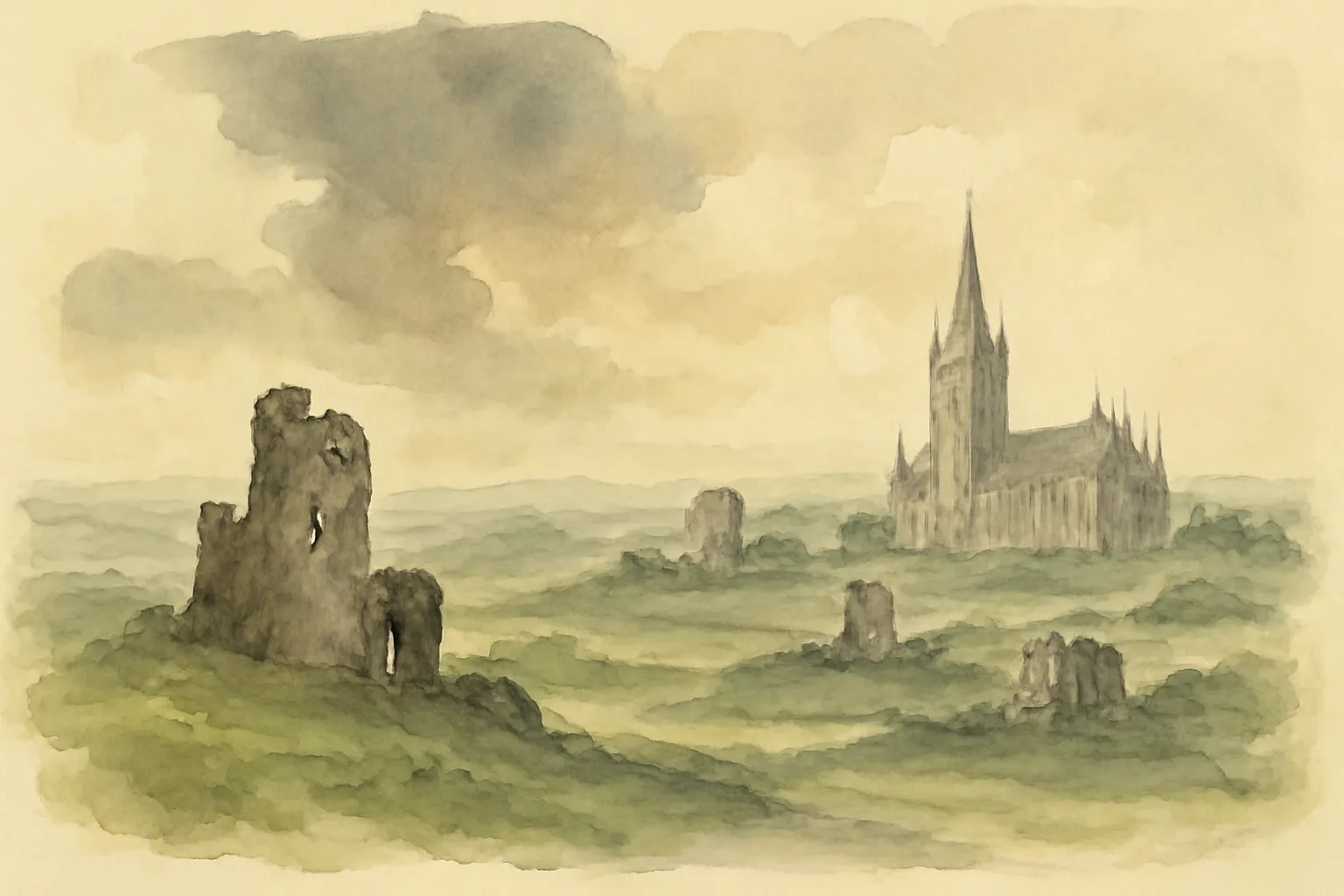
Cantor emphasizes that medieval civilization was not a simple continuation of Rome, but a creative fusion of Roman law and administration, Christian religious ideals, and Germanic social customs. This synthesis produced a unique culture that balanced order with spiritual aspiration and local traditions. Understanding this blend is crucial to grasping why medieval Europe developed such distinctive political and social institutions, from feudalism to the papacy.
The book highlights the Catholic Church’s unparalleled influence over medieval life. Not only did the Church shape spiritual beliefs, but it also played a central role in education, politics, and culture. Cantor explores how the Church’s authority both unified Europe and sparked conflict—especially during periods of reform and schism. He shows how religious ideas and institutions provided continuity and meaning in a world often marked by instability.