

Ancient Civilization · Social evolution · Classical Civilization
The Evolution of Culture by Leslie A. White — Summary, Key Ideas & Quotes
1959378 pages✦ 3-min Big ideas
Rate it
One of the major works of twentieth-century anthropological theory, written by one of the discipline’s most important, complex, and controversial figures, has not been in print for several years. Now Evolution of Culture is again available in paperback, allowing today’s generation of anthropologists new access to Leslie White’s crucial contribution to the theory of cultural evolution. A new, substantial introduction by Robert Carneiro and Burton J. Brown assess White’s historical importance and continuing influence in the discipline. White is credited with reintroducing evolution in a way that had a profound impact on our understanding of the relationship between technology, ecology, and culture in the development of civilizations. A materialist, he was particularly concerned with societies’ ability to harness energy as an indicator of progress, and his empirical analysis of this equation covers a vast historical span. Fearlessly tackling the most fundamental questions of culture and society during the cold war, White was frequently a lightning rod both inside and outside the academy. His book will provoke equally potent debates today, and is a key component of any course or reading list in anthropological or archaeological theory and cultural ecology.
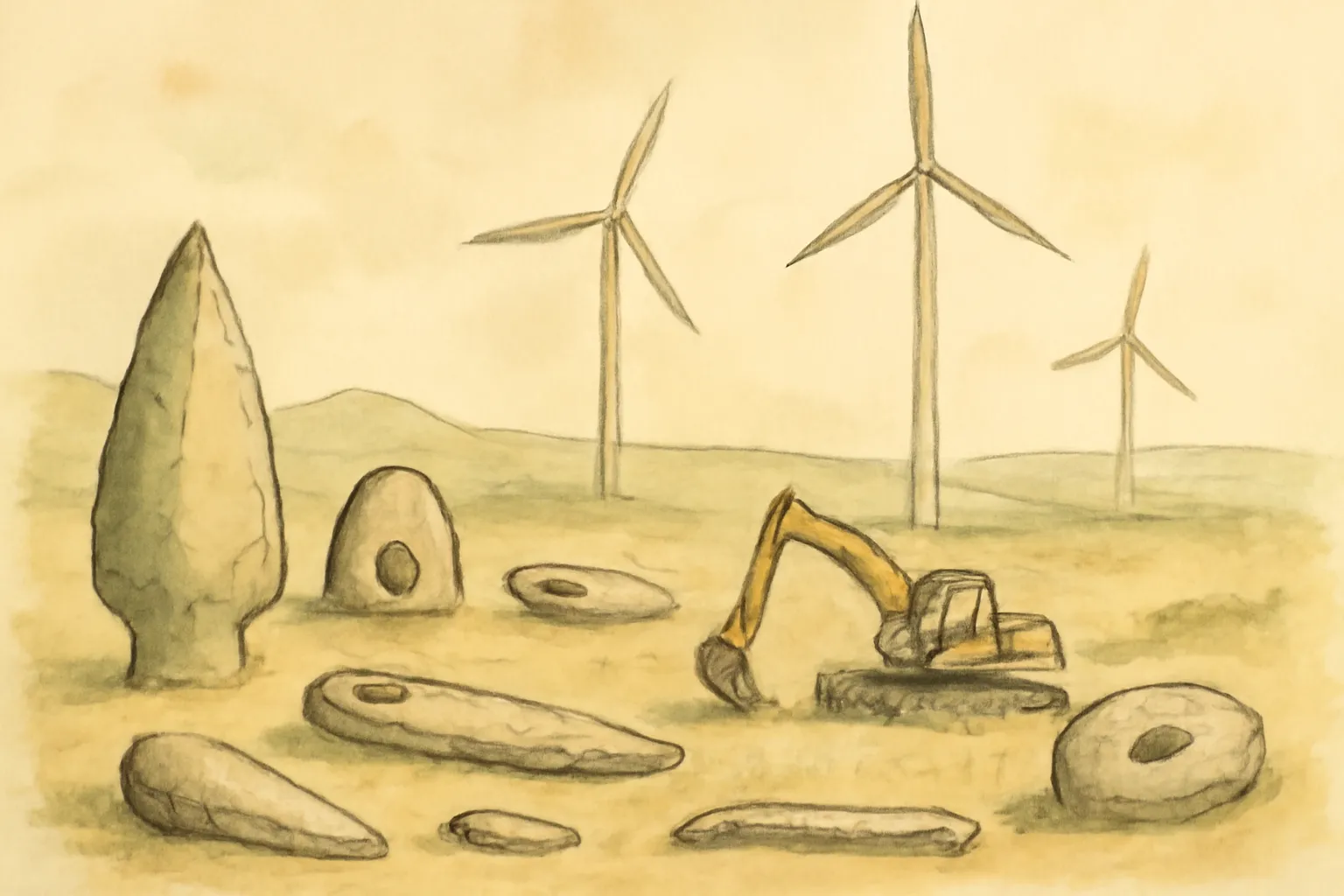
White insists that culture is not a random collection of customs but a system governed by discoverable laws, much like the natural sciences. He argues that anthropology should strive to identify and explain these laws, moving beyond mere description to prediction and generalization. This scientific approach marks a significant departure from the relativism that dominated early 20th-century anthropology, positioning cultural evolution as a legitimate object of empirical study.
White’s most influential idea is that the evolution of culture is fundamentally tied to a society’s ability to capture and use energy. He famously formulated the equation C = E x T, where C is the degree of cultural development, E is the amount of energy harnessed, and T is the efficiency of technological means. This materialist framework places technological innovation and energy exploitation at the heart of human progress, rather than ideas or values alone.
“Culture evolves as the amount of energy harnessed per capita per year is increased, or as the efficiency of the means of putting the energy to work is increased.”