

Ethnology · Social evolution · Human evolution
The Evolution of Human Societies by Allen W. Johnson and Timothy Earle — Summary, Key Ideas & Quotes
1987407 pages✦ 3-min Big ideas★ 0.0
Rate it
"By combining an original thesis and a representative body of ethnographic data, this ambitious work seeks to describe and explain the growth in complexity of human societies." "Its emphasis is on the causes, mechanisms, and patterns of cultural evolution, which the authors explain in terms of a coherent theory of political economy -- defined as the mobilization and exchange of goods and services between families. The authors show that the interconnected processes of technological change and population growth are the motor of social change, resulting in three related processes -- intensification, integration, and stratification -- that transform human societies over time. The validity of their theory rests on evidence drawn from 19 case studies that range widely over time and space." "For this new edition, the authors have thoroughly rewritten the theoretical argument for greater clarity, updated the case materials to incorporate new research, and added a new chapter that applies their theoretical perspective to the problems of change since the industrial revolution and the globalization of trade and political influence. Book jacket."--BOOK JACKET.
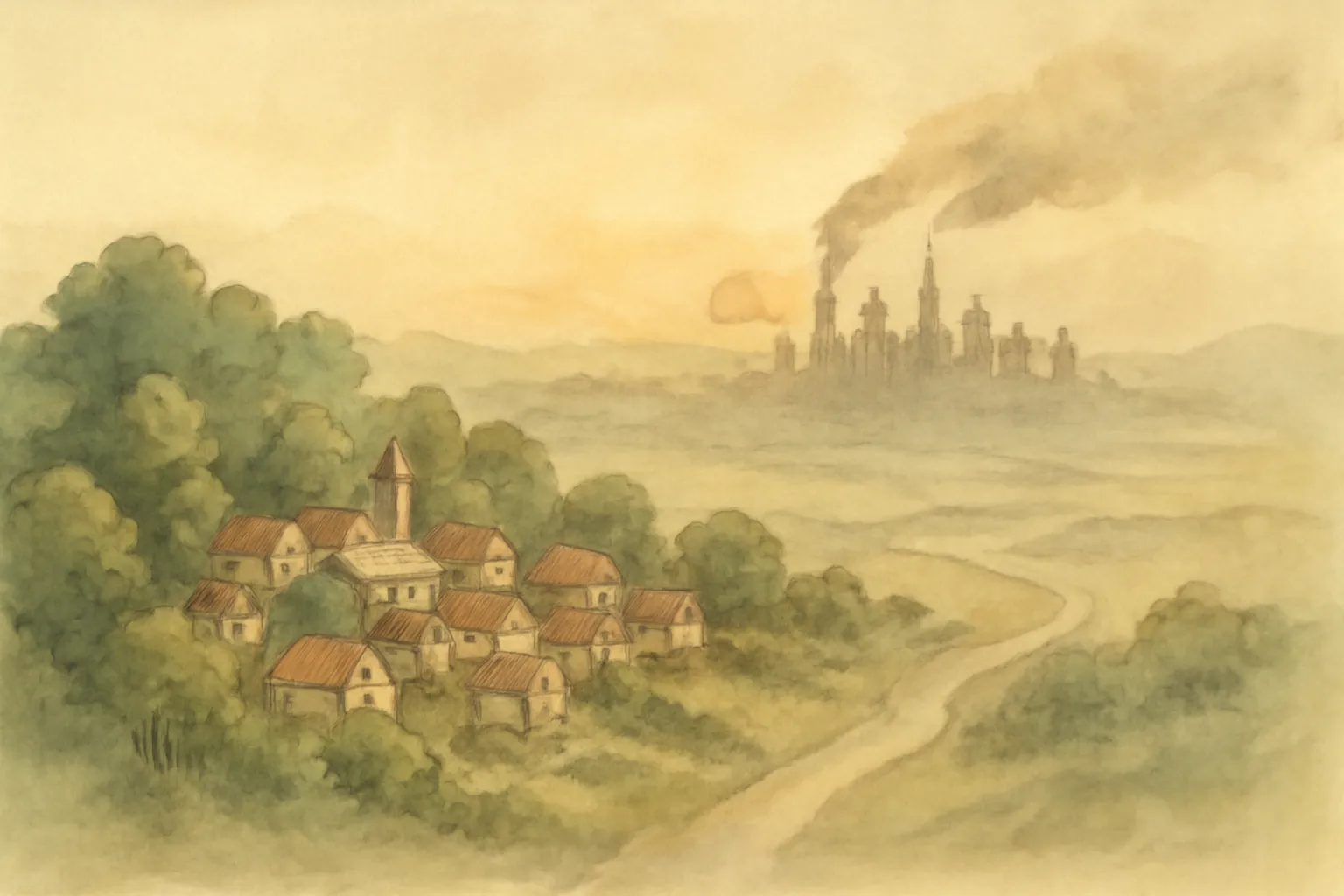
Johnson and Earle argue that human societies do not evolve randomly; instead, their development follows identifiable patterns driven by underlying processes. They treat cultural evolution as a cumulative, adaptive response to challenges of population, resource management, and social coordination, much like biological evolution but with distinct social mechanisms. This approach allows them to compare societies across time and geography, seeking general principles rather than isolated historical accidents.
Central to the book is the idea that the 'political economy'—the ways in which goods and services are produced, mobilized, and exchanged—drives social complexity. Leaders emerge not just through coercion but by managing resources and organizing labor, often redistributing wealth to cement alliances. The authors argue that shifts in political economy, such as new methods of surplus extraction or control over trade, underpin the rise of more complex social forms.