1.Cultural Evolution as a Process
Johnson and Earle argue that human societies do not evolve randomly; instead, their development follows identifiable patterns driven by underlying processes. They treat cultural evolution as a cumulative, adaptive response to challenges of population, resource management, and social coordination, much like biological evolution but with distinct social mechanisms. This approach allows them to compare societies across time and geography, seeking general principles rather than isolated historical accidents.
2.Political Economy: The Engine of Change
Central to the book is the idea that the 'political economy'—the ways in which goods and services are produced, mobilized, and exchanged—drives social complexity. Leaders emerge not just through coercion but by managing resources and organizing labor, often redistributing wealth to cement alliances. The authors argue that shifts in political economy, such as new methods of surplus extraction or control over trade, underpin the rise of more complex social forms.
3.Three Mechanisms: Intensification, Integration, Stratification
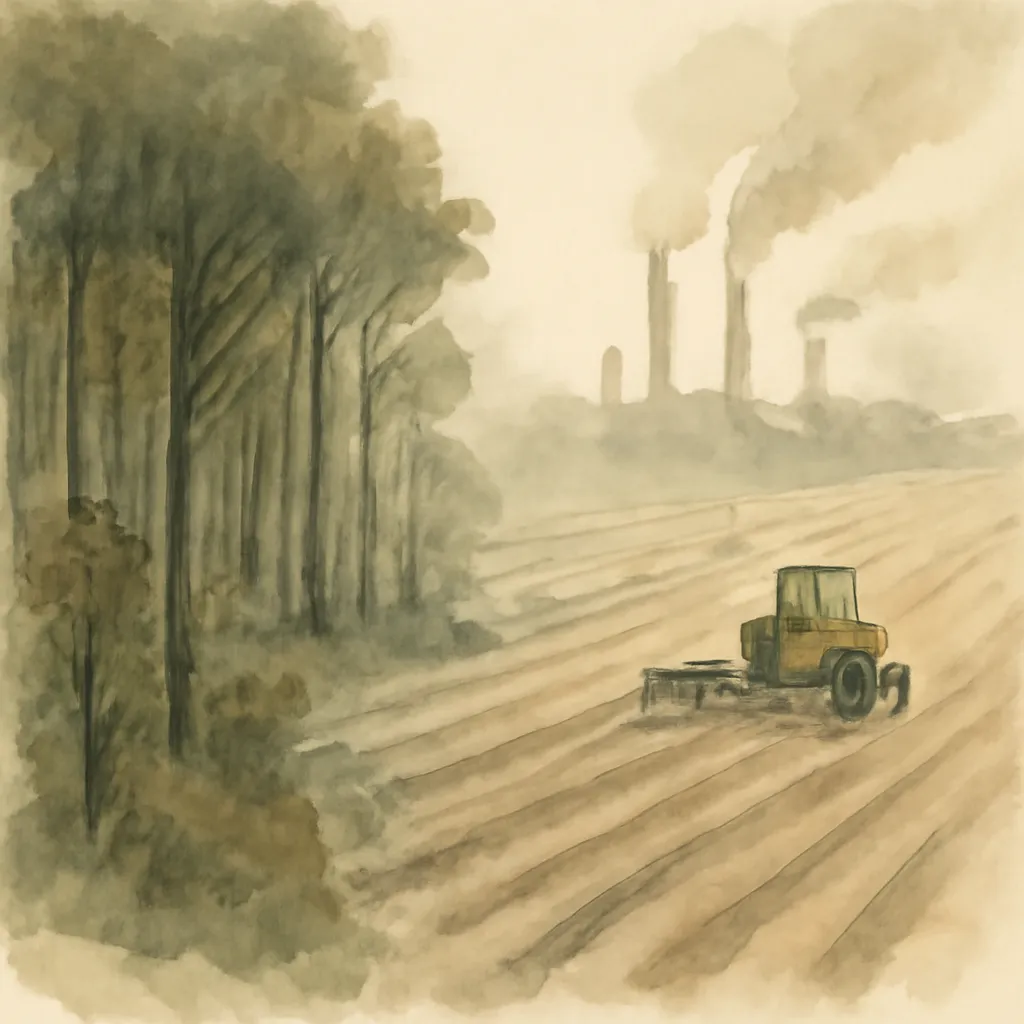
The authors identify three interrelated processes—intensification (increased production and resource use), integration (greater coordination and organization), and stratification (emergence of social hierarchies)—as the main engines of societal transformation. These mechanisms interact: for example, intensification of agriculture can require more integration (administration, infrastructure), which in turn can foster stratification as leaders and managers emerge.
4.The Role of Population and Technology
Population growth and technological innovation are portrayed as the twin motors of social evolution. As populations increase, pressure on resources leads societies to adopt more intensive production techniques. New technologies—whether agricultural, military, or administrative—enable societies to support larger populations and more complex institutions, setting the stage for further transformation.
5.Comparative Case Studies
A distinctive strength of the book is its use of 19 ethnographic and historical case studies, ranging from Polynesian chiefdoms to ancient Mesopotamian states. These examples are not anecdotes but empirical tests of the authors' theoretical model, showing how similar processes play out in diverse contexts. The comparative method allows Johnson and Earle to argue for the generalizability of their framework.
6.Modern Implications: Industrialization and Globalization
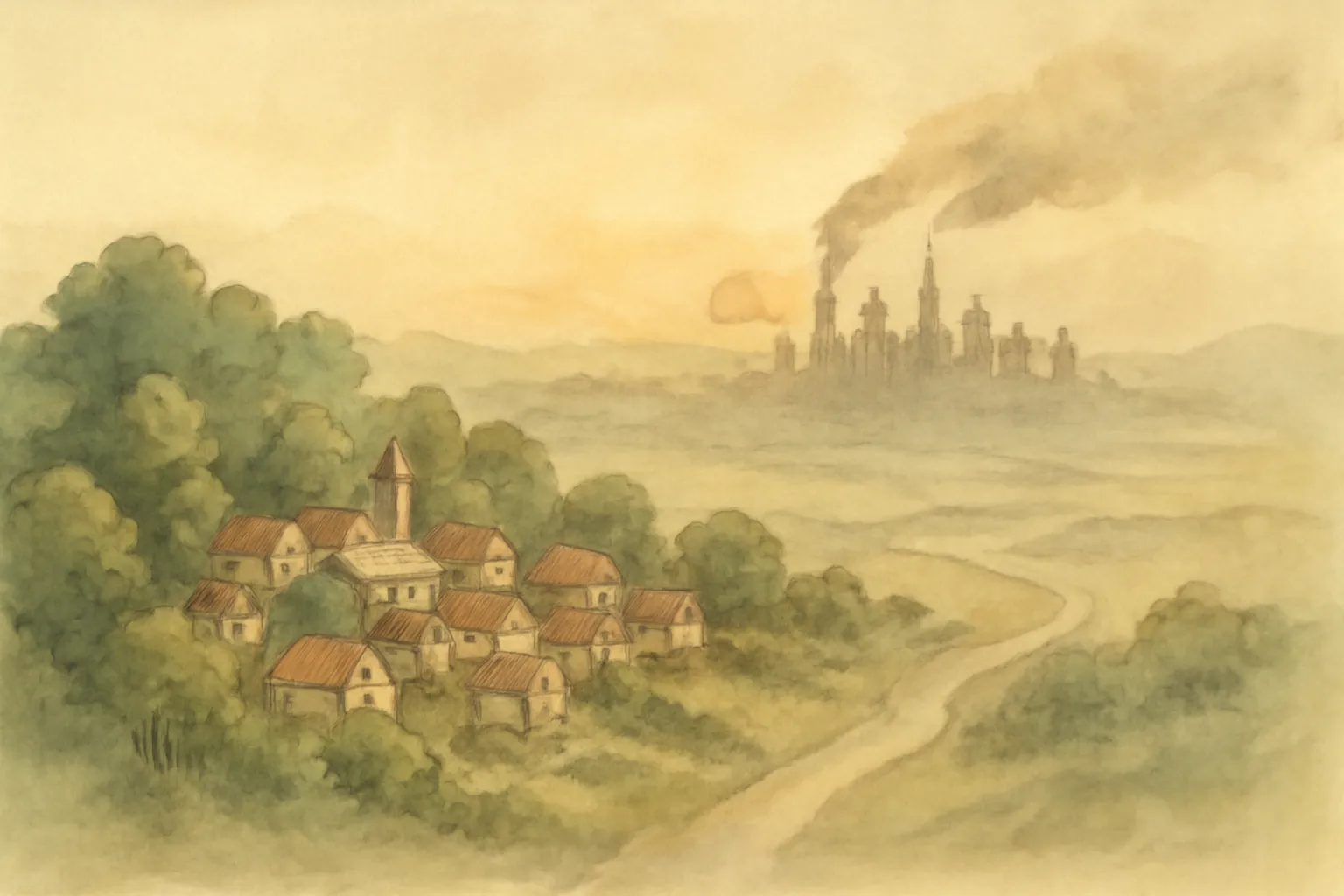
In later editions, the authors extend their analysis to the modern era, exploring how the same evolutionary logic applies to industrialization and globalization. They argue that the processes of intensification, integration, and stratification continue to shape societies today, albeit on a global scale and with new forms of technology and political organization. This perspective invites readers to see contemporary social change as part of a long evolutionary continuum.