

World politics · Cold War · Economic history
The Cold War by Martin Walker — Summary, Key Ideas & Quotes
1994401 pages✦ 3-min Big ideas
Rate it
The history of the Cold War is the history of the world since 1945. Now that we think it is over, we have to make sense of what the Cold War was, how it shaped us, and the uncertain new world that lies ahead. In [this book, the author] explains how the United States became the "security state."
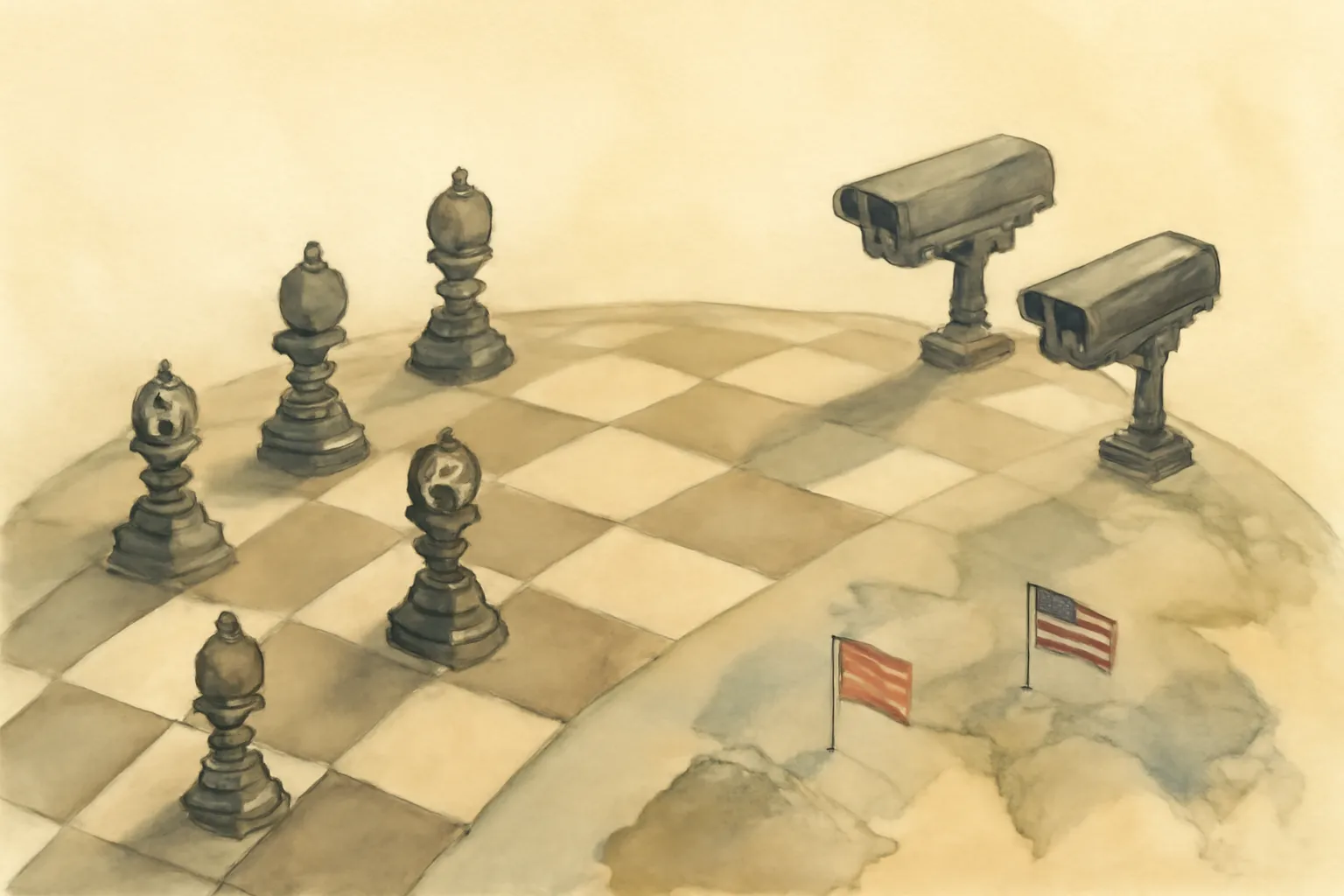
Walker frames the Cold War not just as a rivalry between the US and USSR, but as a global system that influenced every corner of the world. He explores how superpower competition shaped politics, economies, and societies far beyond Washington and Moscow, making the Cold War a truly worldwide phenomenon. This perspective helps readers understand why conflicts in Korea, Vietnam, Africa, and Latin America were so deeply intertwined with the broader ideological struggle.
A central theme is how the United States, in response to perceived Soviet threats, transformed itself into a 'security state.' Walker details the expansion of intelligence agencies, military spending, and domestic surveillance, arguing that these changes fundamentally altered American society and government. He suggests that this legacy persists, raising questions about the balance between security and liberty in the post-Cold War era.