1.The Cold War as Global System
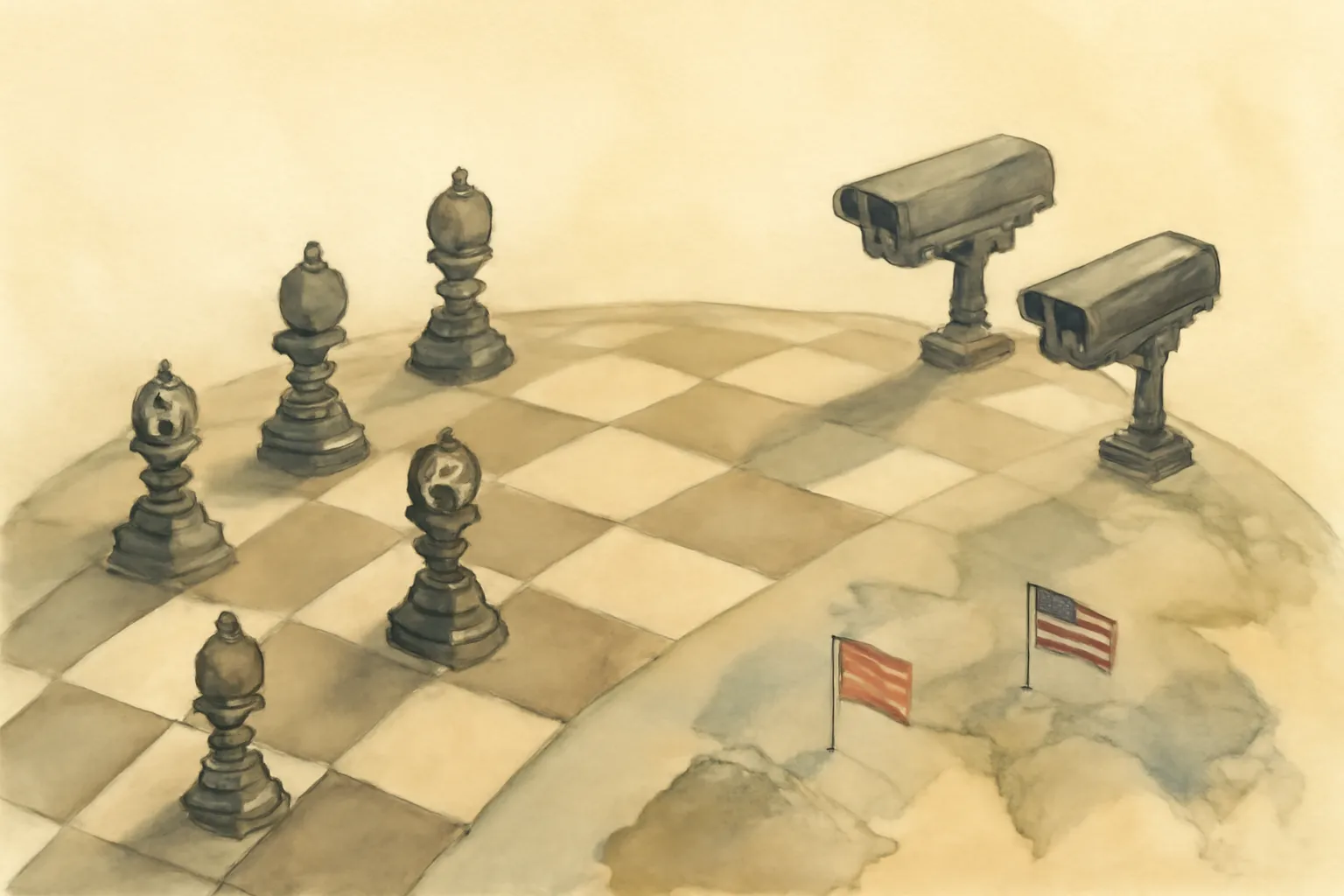
Walker frames the Cold War not just as a rivalry between the US and USSR, but as a global system that influenced every corner of the world. He explores how superpower competition shaped politics, economies, and societies far beyond Washington and Moscow, making the Cold War a truly worldwide phenomenon. This perspective helps readers understand why conflicts in Korea, Vietnam, Africa, and Latin America were so deeply intertwined with the broader ideological struggle.
2.The Rise of the Security State
A central theme is how the United States, in response to perceived Soviet threats, transformed itself into a 'security state.' Walker details the expansion of intelligence agencies, military spending, and domestic surveillance, arguing that these changes fundamentally altered American society and government. He suggests that this legacy persists, raising questions about the balance between security and liberty in the post-Cold War era.
3.Ideology and Propaganda
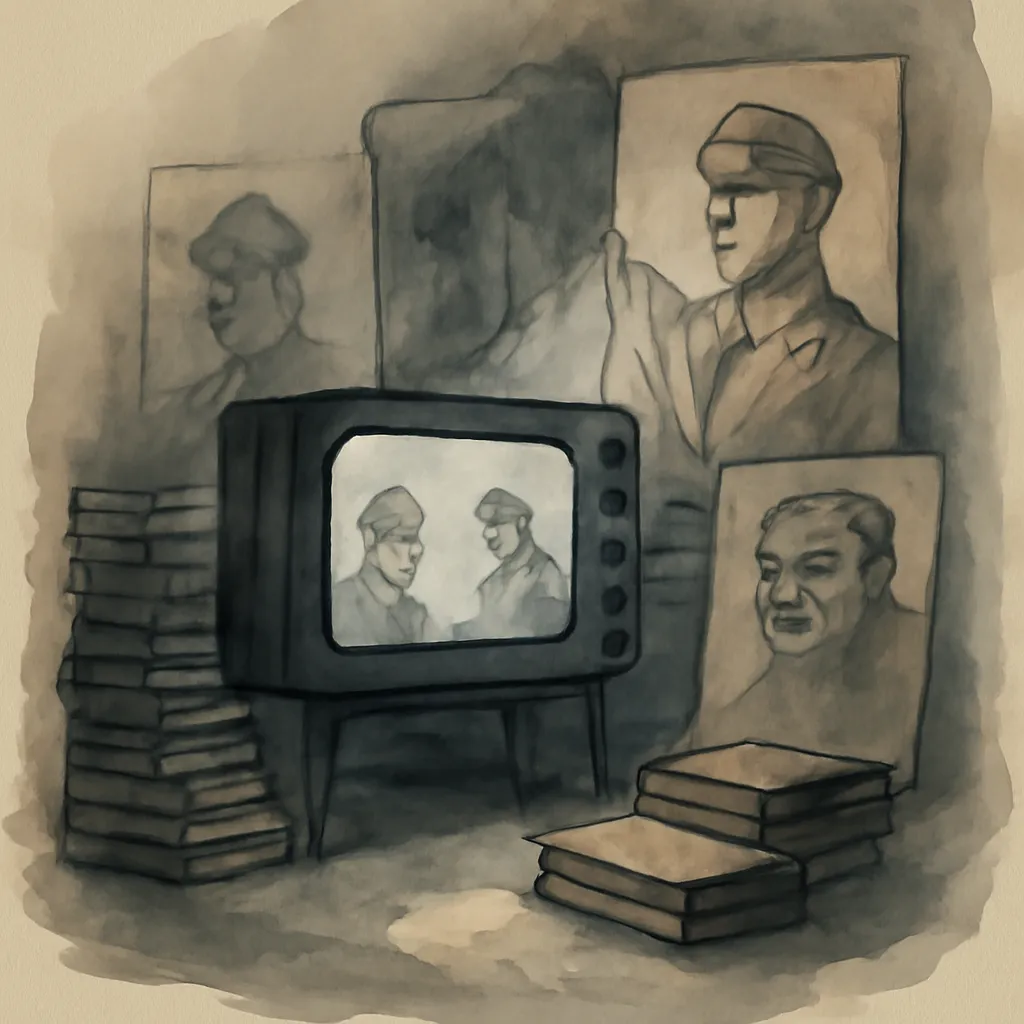
Walker emphasizes the importance of ideology and propaganda in the Cold War. Both sides used media, culture, and education to promote their worldviews and demonize the other. The book examines how this ideological battle influenced everything from Hollywood films to school curricula, and how it shaped public perceptions of freedom, democracy, and communism.
4.Moments of Crisis and Near Disaster
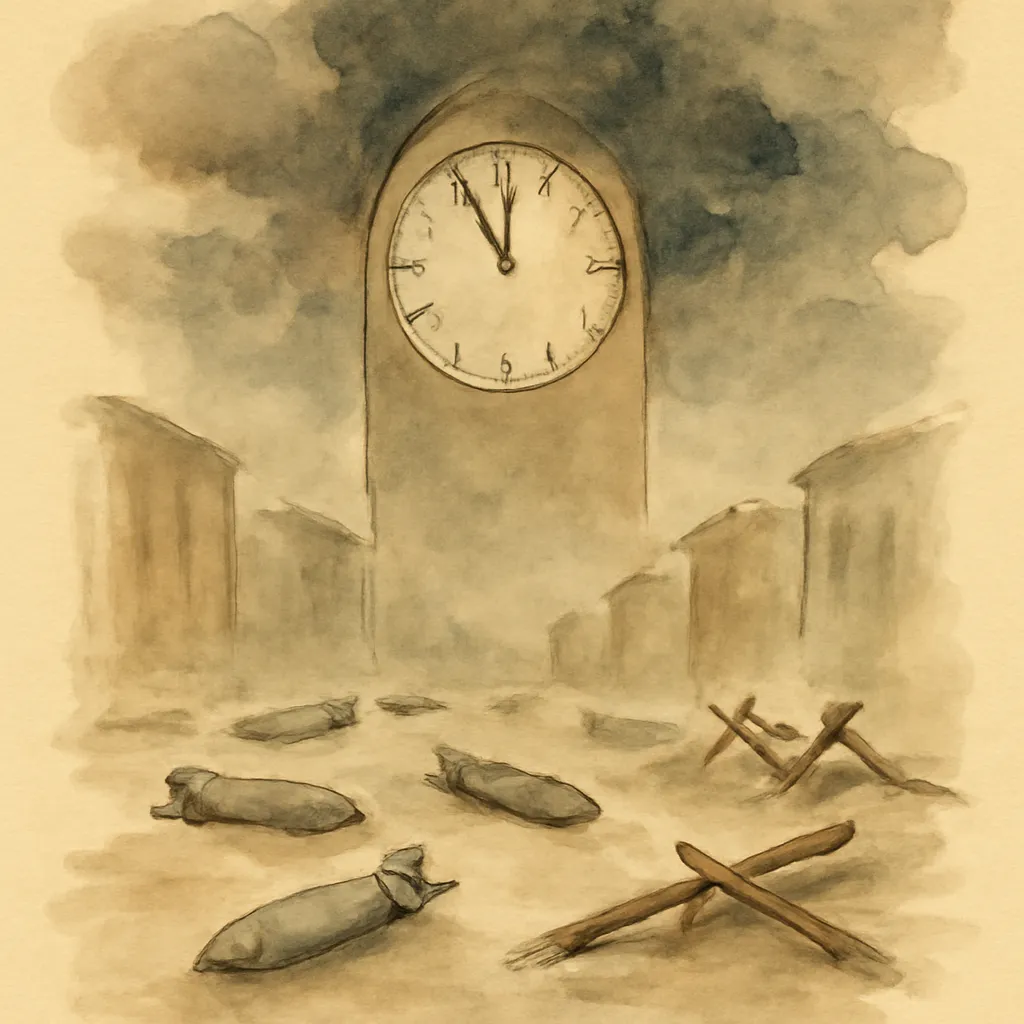
The narrative highlights key moments when the world came close to catastrophe, such as the Berlin Blockade, Cuban Missile Crisis, and various nuclear standoffs. Walker shows how these crises tested leaders' resolve and judgment, and how luck and diplomacy often averted disaster. These episodes illustrate the high stakes and persistent dangers of the Cold War era.
5.The End of the Cold War and Its Ambiguities
Walker does not treat the Cold War's end as a simple victory for the West. He explores the complex causes of the Soviet collapse and the uncertainties that followed, including new conflicts and the search for a post-Cold War order. He warns against triumphalism and urges readers to consider the ways in which Cold War habits and institutions continue to shape global politics.
6.The Human Cost and Everyday Life
Beyond leaders and battles, Walker pays attention to the lives of ordinary people affected by the Cold War. He discusses the impact on families, workers, and dissidents, as well as the pervasive sense of fear and uncertainty that colored daily existence. This human dimension adds depth to the geopolitical analysis.