
Fiction & Literature · Blacks · social life and customs
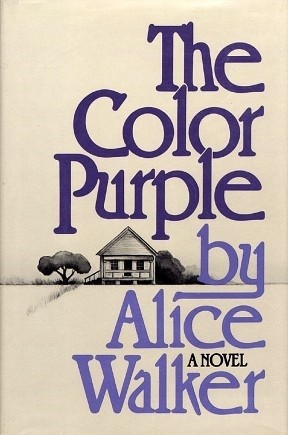
The Color Purple by Alice Walker — Summary, Key Ideas & Quotes
1976262 pages✦ 3-min Big ideas★ 4.2 (87)
Rate it
The Color Purple is a 1982 epistolary novel by American author Alice Walker which won the 1983 Pulitzer Prize for Fiction and the National Book Award for Fiction. The novel has been the frequent target of censors and appears on the American Library Association list of the 100 Most Frequently Challenged Books of 2000–2009 at number seventeenth because of the sometimes explicit content, particularly in terms of violence. In 2003, the book was listed on the BBC's The Big Read poll of the UK's "best-loved novels."
Also contained in: - [The Third Life of Grange Copeland / Meridian / The Color Purple][1]

The novel is told through letters, primarily written by Celie, which gives the narrative an intimate, confessional quality. This structure allows readers direct access to Celie’s innermost thoughts and emotions, charting her evolution from voicelessness to self-expression. The use of dialect and unpolished language underscores authenticity and highlights the importance of storytelling as survival and resistance.
Walker examines the compounded oppression faced by Black women, who endure both racism from the wider society and sexism within their own communities. The novel exposes cycles of violence, exploitation, and silence, while also portraying how women support and empower each other in the face of adversity. This intersectional lens remains highly relevant in contemporary discussions of social justice.
“I think it pisses God off if you walk by the color purple in a field somewhere and don't notice it.”
“I'm poor, I'm black, I may be ugly and can't cook, a voice say to everything listening. But I'm here.”
“All my life I had to fight.”