

Black race · Blacks · Psychology
Black Skin, White Masks by Frantz Fanon — Summary, Key Ideas & Quotes
1952232 pages✦ 3-min Big ideas★ 4.2 (5)
Rate it
Fanon, born in Martinique and educated in France, is generally regarded as the leading anti-colonial thinker of the 20th century. His first book is an analysis of the impact of colonial subjugation on the black psyche. It is a very personal account of Fanon's experience being black: as a man, an intellectual, and a party to a French education.--Adapted from wikipedia.org.
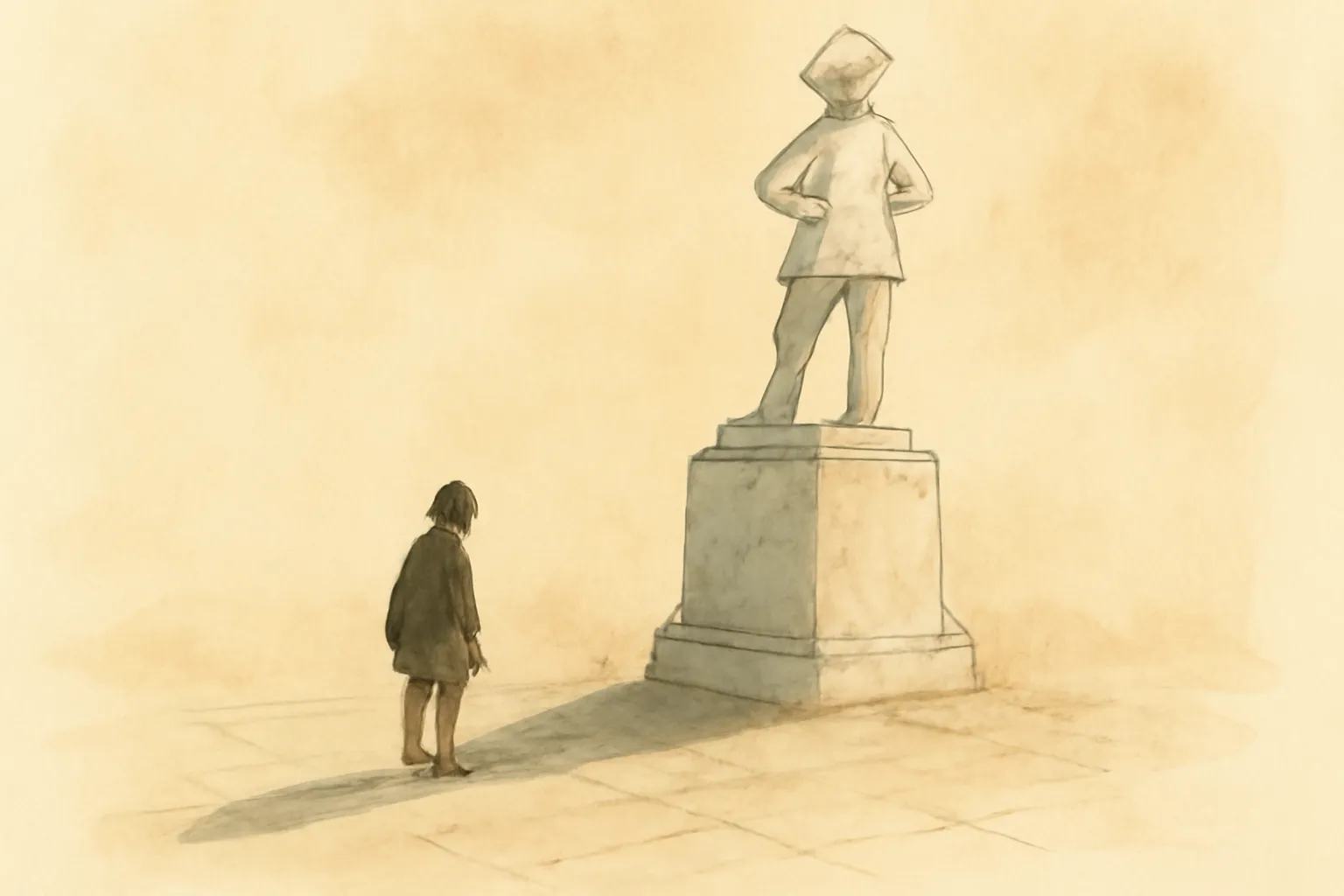
Fanon argues that colonialism is not just a political and economic system but a deeply psychological one. It instills feelings of inferiority in the colonized, especially Black people, who are constantly confronted with images and language that position whiteness as superior. This internalization of racism leads to profound alienation and self-doubt, affecting everything from self-image to interpersonal relationships.
Fanon dissects how language itself becomes a mechanism for colonial control. By forcing the colonized to adopt the colonizer’s language and cultural codes, colonial powers shape the very way Black people see themselves and are seen by others. Speaking French, for example, is presented as a way to gain acceptance, but it also means erasing part of one’s identity.
“The black man has two dimensions. One with his fellows, the other with the white man.”
“For the black man there is only one destiny. And it is white.”
“I am not the slave of the Slavery that dehumanized my ancestors.”
