1.The Psychological Impact of Racism
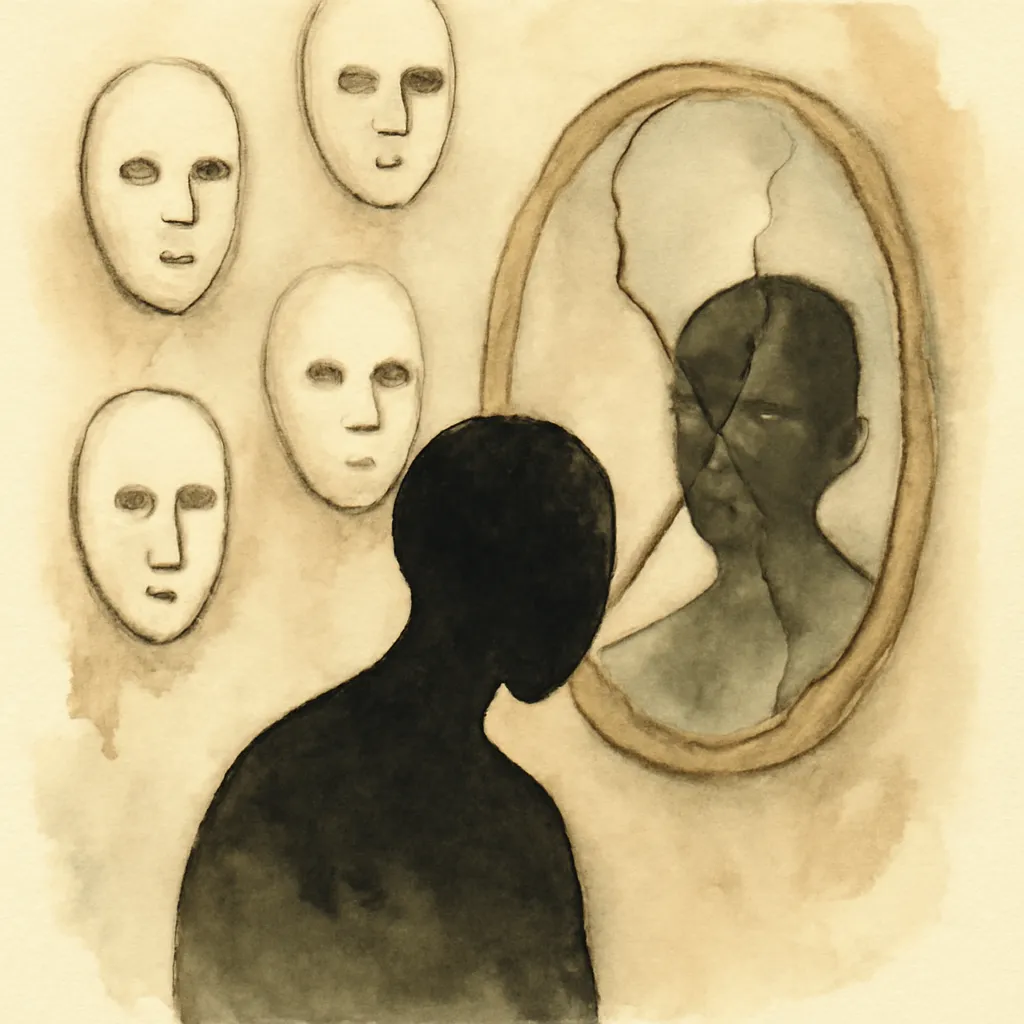
Fanon argues that colonialism is not just a political and economic system but a deeply psychological one. It instills feelings of inferiority in the colonized, especially Black people, who are constantly confronted with images and language that position whiteness as superior. This internalization of racism leads to profound alienation and self-doubt, affecting everything from self-image to interpersonal relationships.
2.Language as a Tool of Domination
Fanon dissects how language itself becomes a mechanism for colonial control. By forcing the colonized to adopt the colonizer’s language and cultural codes, colonial powers shape the very way Black people see themselves and are seen by others. Speaking French, for example, is presented as a way to gain acceptance, but it also means erasing part of one’s identity.
3.Desire for Whiteness
A central theme is the psychological longing among the colonized to be accepted by the colonizer, often manifesting as a desire to 'become white.' Fanon explores how Black individuals may attempt to adopt white cultural norms, behaviors, or even partners, in hopes of escaping racial stigma. However, he shows that this is ultimately a futile pursuit that deepens alienation.
4.The Construction of Blackness
Fanon reveals how Black identity is constructed through the white gaze—Black people are often defined not by themselves, but by how white society sees them. This objectification strips away individuality and humanity, reducing Black people to stereotypes or symbols rather than complex individuals.
5.The Limits of Assimilation
Fanon is skeptical that assimilation into white society can ever truly erase the stigma of Blackness. He argues that no matter how much a Black person conforms, they remain marked by their skin color. True liberation, he suggests, requires a radical restructuring of social and psychological relations, not mere integration.
6.Toward Liberation and New Identity
Ultimately, Fanon calls for a new way of being—one that rejects the binary of Black inferiority and white superiority. He urges Black people to reclaim their humanity, define themselves on their own terms, and resist the psychological chains of colonialism. This is both a personal and collective project of liberation.