Fiction · Psychology
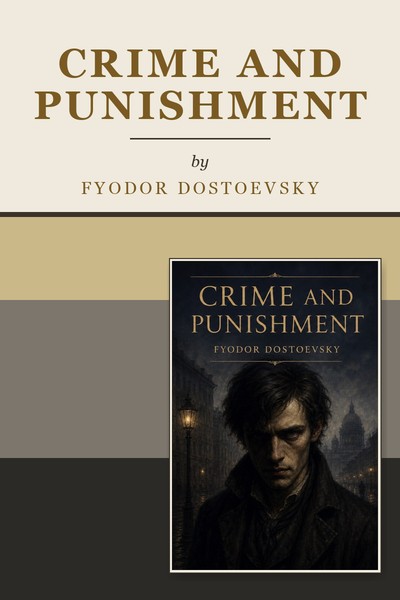
Crime and Punishment by Fyodor Dostoevsky — Summary, Key Ideas & Full Text
675 pages40 chapters13h 33m read9h 37m speed read✦ 9-min Big ideasFree · no account
Rate it
Crime and Punishment explores the moral dilemmas of a troubled mind grappling with the consequences of radical ideas and personal choices
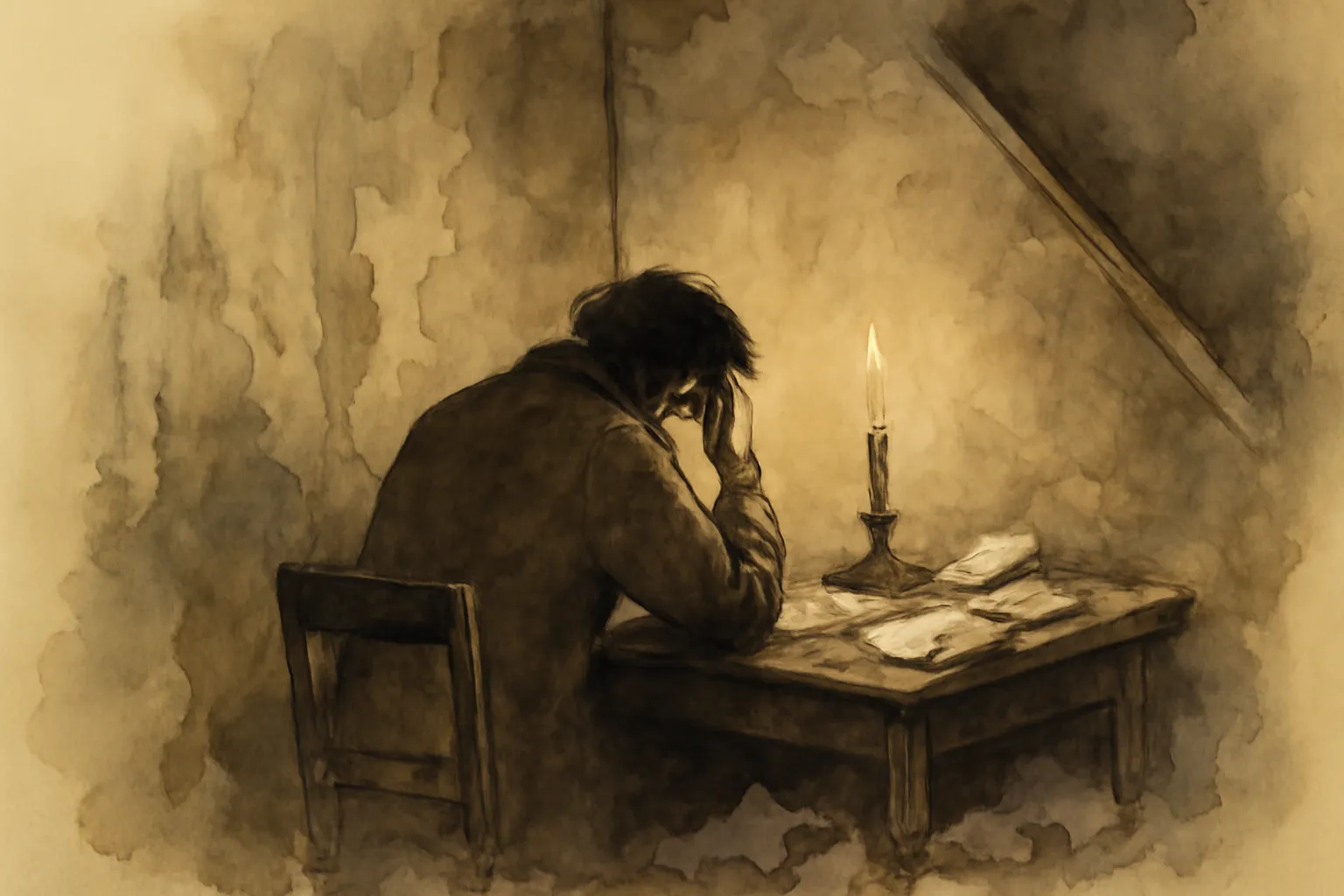
In Fyodor Dostoevsky's monumental novel, Crime and Punishment, readers are thrust into the turbulent inner world of Rodion Raskolnikov, a young ex-student in St. Petersburg who becomes entangled in a web of crime, guilt, and existential dread. This gripping narrative delves into profound themes of morality, redemption, and the psychological turmoil of its protagonist as he wrestles with his own radical beliefs and the implications of his actions. Through Raskolnikov's journey, the novel raises critical questions about the nature of good and evil, the impact of poverty on the human psyche, and the search for meaning in a seemingly indifferent world. Readers will gain insight into the complexities of human nature, the struggle for ethical integrity, and the possibility of redemption amidst despair.
Crime and Punishment is not merely a tale of murder and guilt; it is a profound exploration of the human condition, grappling with the complexities of morality, identity, and the quest for redemption. Through Raskolnikov's journey, Dostoevsky challenges readers to confront their own moral choices and the societal structures that shape their lives. The novel's rich tapestry of themes invites reflection on the nature of suffering, the significance of human connection, and the transformative power of love and forgiveness. Ultimately, Crime and Punishment serves as a timeless reminder of the struggles inherent in the human experience and the potential for redemption that lies within each of us.
Fyodor Dostoevsky has 5 works free to read on Lumina, including Notes from the Underground, The Brothers Karamazov, The Idiot
All 5 books by Fyodor Dostoevsky →