Fiction · Philosophy
The Possessed by Fyodor Dostoevsky — Summary, Key Ideas & Full Text
841 pages23 chapters16h 53m read11h 59m speed read✦ 8-min Big ideasFree · no account
Rate it
In 'The Possessed', Dostoevsky explores the tumultuous intersection of personal morality and societal upheaval in a small town, revealing how individual desires can ignite collective chaos
Fyodor Dostoevsky's 'The Possessed' delves into the lives of a group of characters in a provincial town grappling with revolutionary ideas and personal conflicts. At its heart, the novel examines how the interplay of ambition, ideology, and personal relationships can lead to both individual and societal destruction. Through the lens of characters like Stepan Trofimovitch Verhovensky and Nikolay Stavrogin, readers are invited to reflect on the nature of belief, the consequences of inaction, and the moral dilemmas that accompany the pursuit of power and influence. The narrative unfolds against the backdrop of a society on the brink of change, making it a timeless exploration of human psychology and social dynamics.
Dostoevsky's 'The Possessed' serves as a profound exploration of the human condition, revealing the intricate interplay of personal desires and societal pressures. Through its rich tapestry of characters, the novel illustrates how individual actions can resonate within a larger social context, often leading to unforeseen consequences. The themes of shame, isolation, and the quest for meaning resonate deeply, inviting readers to reflect on their own lives and the moral complexities they face. As modern society continues to grapple with similar existential dilemmas, Dostoevsky's insights remain remarkably relevant, offering timeless wisdom on the nature of human relationships, ideology, and the search for purpose in an unpredictable world.
“Stepan Trofimovitch had always filled a particular rôle among us, that of the progressive patriot, so to say, and he was passionately fond of playing the part.”
“He fondly loved, for instance, his position as a 'persecuted' man and, so to speak, an 'exile.”
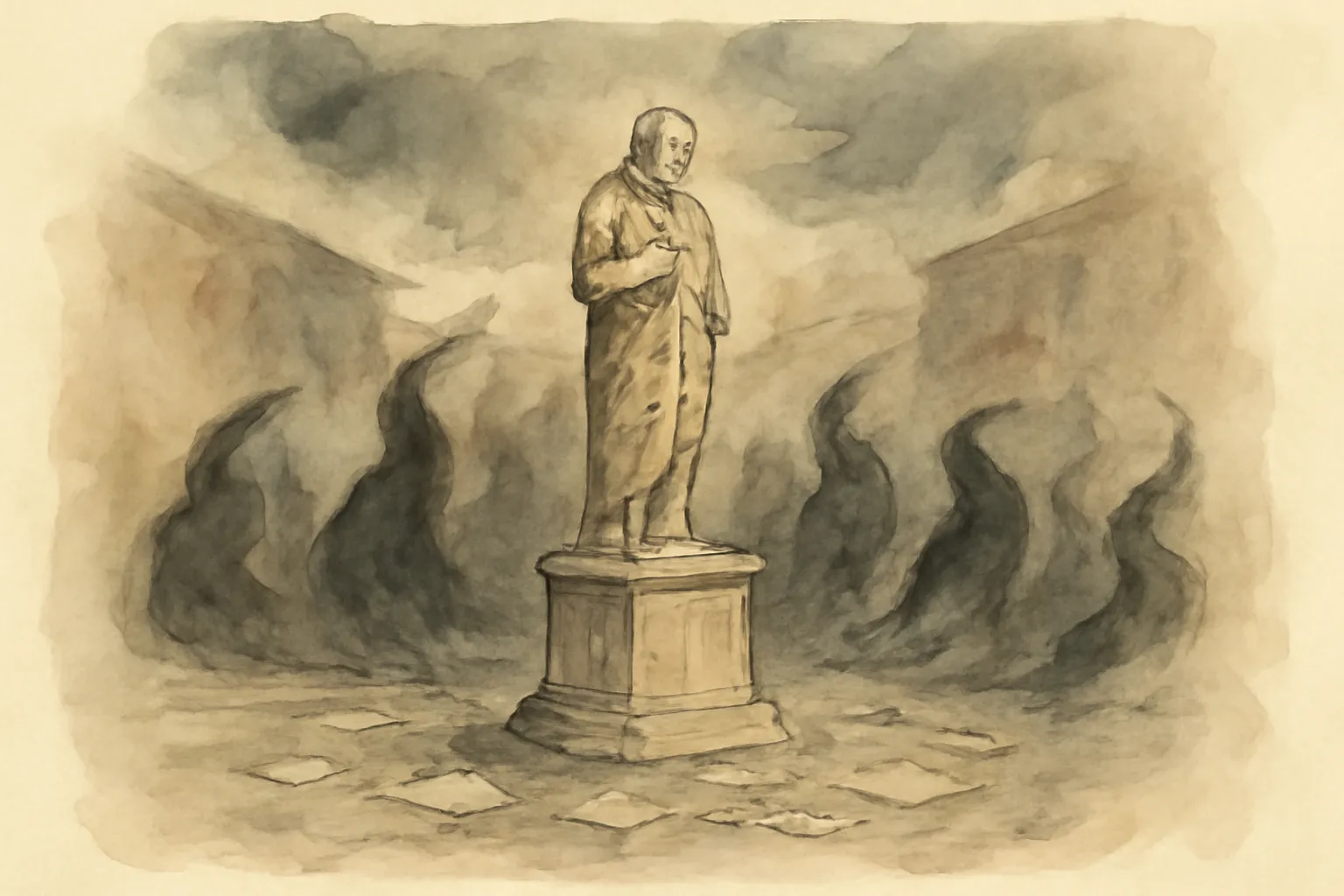
“There is a sort of traditional glamour about those two little words that fascinated him once for all and, exalting him gradually in his own opinion, raised him in the course of years to a lofty pedestal very gratifying to vanity.”
Fyodor Dostoevsky has 5 works free to read on Lumina, including Crime and Punishment, Notes from the Underground, The Brothers Karamazov
All 5 books by Fyodor Dostoevsky →