
Faith, doubt, and patricide — a towering novel of philosophy and family.
Read full overviewShow less›
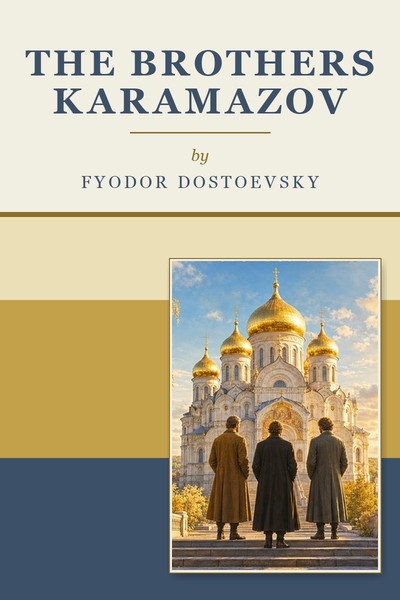
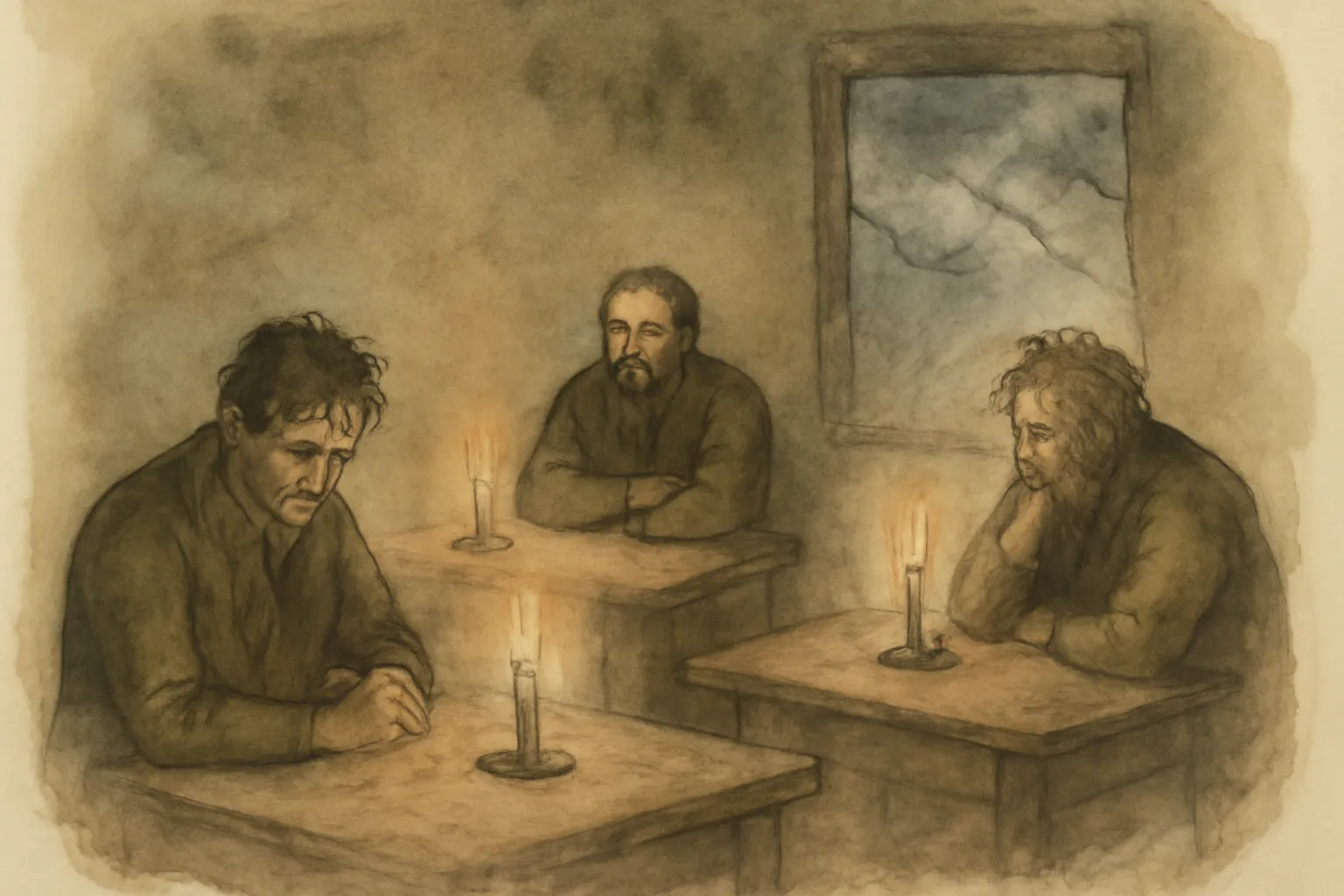
In Fyodor Dostoevsky's profound novel, The Brothers Karamazov, readers are invited into a rich tapestry of philosophical inquiry and emotional turmoil that examines the essence of humanity. Set against the backdrop of 19th-century Russia, the story follows the Karamazov family, particularly the three brothers: Dmitri, Ivan, and Alyosha, each representing distinct worldviews and moral dilemmas. As they grapple with their father's depravity and their own beliefs, the novel poses fundamental questions about faith, free will, and the nature of existence. Through intricate character development and philosophical discourse, Dostoevsky crafts a narrative that is both a gripping family drama and a profound exploration of existential themes, making it a timeless reflection on the human condition.
The Brothers Karamazov remains a monumental exploration of the human experience, delving into profound philosophical inquiries that resonate across time and culture. Dostoevsky's rich characterizations and intricate narrative structure invite readers to engage with the complexities of morality, faith, and the struggle for redemption. Through the trials of the Karamazov family, the novel encapsulates the essence of humanity's search for meaning in a chaotic world. Ultimately, it challenges us to confront our own beliefs, relationships, and moral choices, making it a timeless work that continues to inspire and provoke thought in readers today.
- 1The Karamazov Family Dynamics
- 2The Search for Faith
- 3The Problem of Evil
- 4The Role of Women
- 5The Influence of Russian Orthodoxy
A glimpse inside

The Karamazov family serves as a microcosm of societal conflicts and moral dilemmas. Fyodor Pavlovitch Karamazov, the patriarch, is depicted as a debauched and neglectful… Read moreThe Karamazov family serves as a microcosm of societal conflicts and moral dilemmas. Fyodor Pavlovitch Karamazov, the patriarch, is depicted as a debauched and neglectful father whose selfishness and moral turpitude set the stage for the brothers' struggles. Dmitri, the eldest son, embodies passion and impulsiveness, often caught in a battle between his desires and a sense of duty. Ivan, the intellectual middle brother, wrestles with existential questions and the problem of evil, while Alyosha, the youngest, symbolizes faith and compassion. Each brother's relationship with their father and each other reveals the complexities of familial loyalty, love, and betrayal, ultimately illustrating how their individual paths are inextricably linked to their shared lineage. Show less
A central theme in The Brothers Karamazov is the quest for faith amidst doubt and despair. Each brother's journey reflects different approaches to spirituality and belief… Read moreA central theme in The Brothers Karamazov is the quest for faith amidst doubt and despair. Each brother's journey reflects different approaches to spirituality and belief. Alyosha, the monk-in-training, represents a sincere and unwavering faith, seeking solace in the teachings of his mentor, Father Zossima. In contrast, Ivan's skepticism leads him to question the existence of God in light of human suffering, culminating in his famous 'Rebellion' chapter where he grapples with the moral implications of divine justice. This philosophical discourse raises poignant questions about the nature of faith: is it a choice or an innate understanding? Dostoevsky encourages readers to examine their own beliefs and the profound impact of faith on human experience. Show less
Read the full text — free
About the author
Fyodor Dostoevsky has 5 works free to read on Lumina, including Crime and Punishment, Notes from the Underground, The Idiot.
All 5 books by Fyodor Dostoevsky →Frequently asked
Worlds to get lost in
Take Lumina everywhere
Read offline, listen to AI summaries, speed-read, and sync your progress across devices — free on iPhone.
Download for iPhone