

Communism · Marx, karl, 1818-1883 · Engels, friedrich, 1820-1895
The Communist Manifesto by Karl Marx and Friedrich Engels — Summary, Key Ideas & Quotes
184838 pages✦ 3-min Big ideas
Rate it
The manifesto of the communist party by Karl Marx and Friedrich Engels . Original 1848
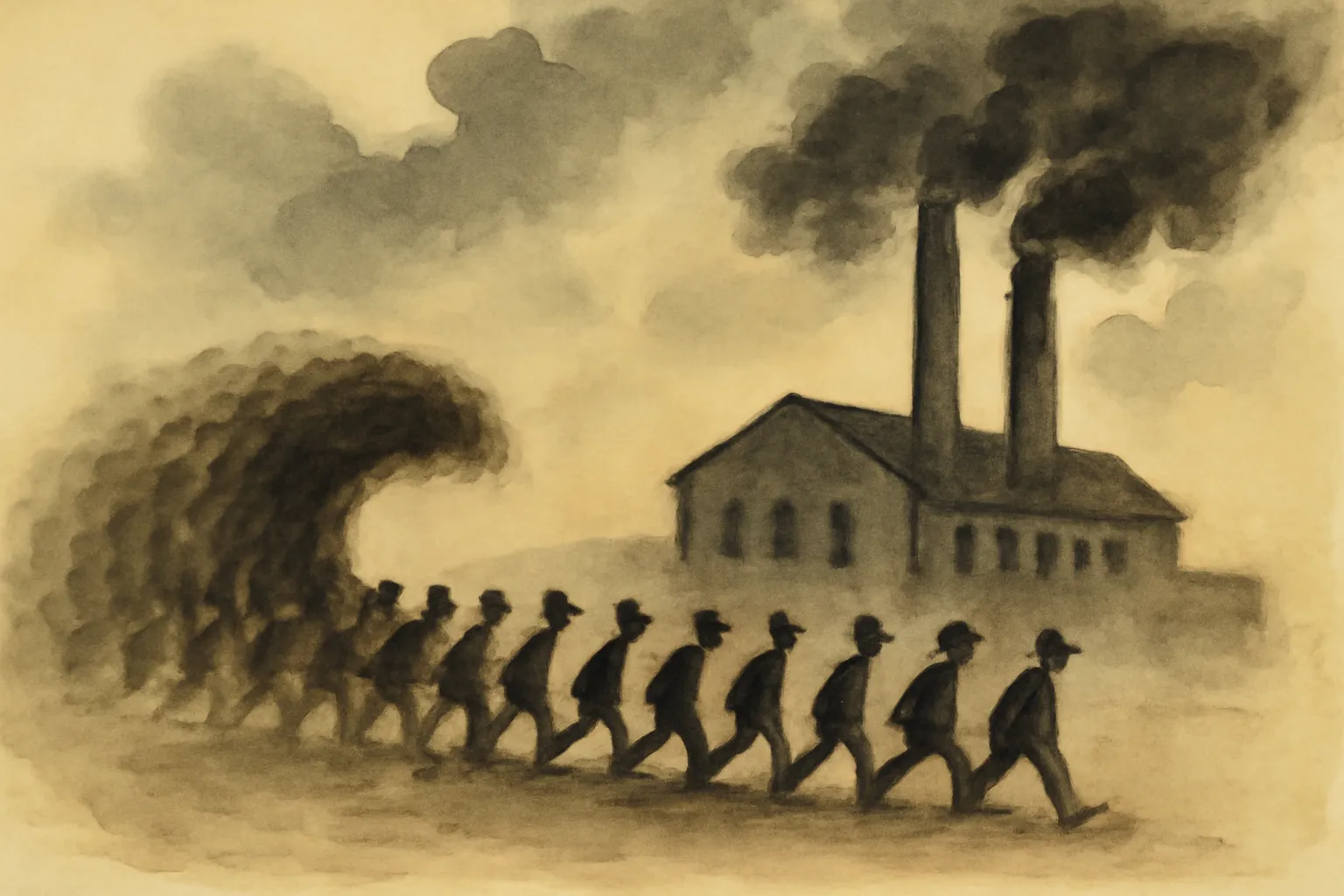
Marx and Engels argue that all of human history is defined by the struggle between classes—the oppressors and the oppressed. In their time, this manifests as the conflict between the bourgeoisie (capitalist class) and the proletariat (working class). They claim that social and economic systems change when class conflict reaches a breaking point, making revolution a historical inevitability rather than a moral choice.
The Manifesto highlights how the bourgeoisie, empowered by the Industrial Revolution, transformed society by centralizing production and creating global markets. While this class drove technological and economic progress, Marx and Engels argue that it also created new forms of exploitation and inequality, setting the stage for its own eventual downfall.
“The history of all hitherto existing society is the history of class struggles.”
“Workers of the world, unite! You have nothing to lose but your chains!”
“The proletarians have nothing to lose but their chains. They have a world to win.”