1.Class Struggle as the Engine of History
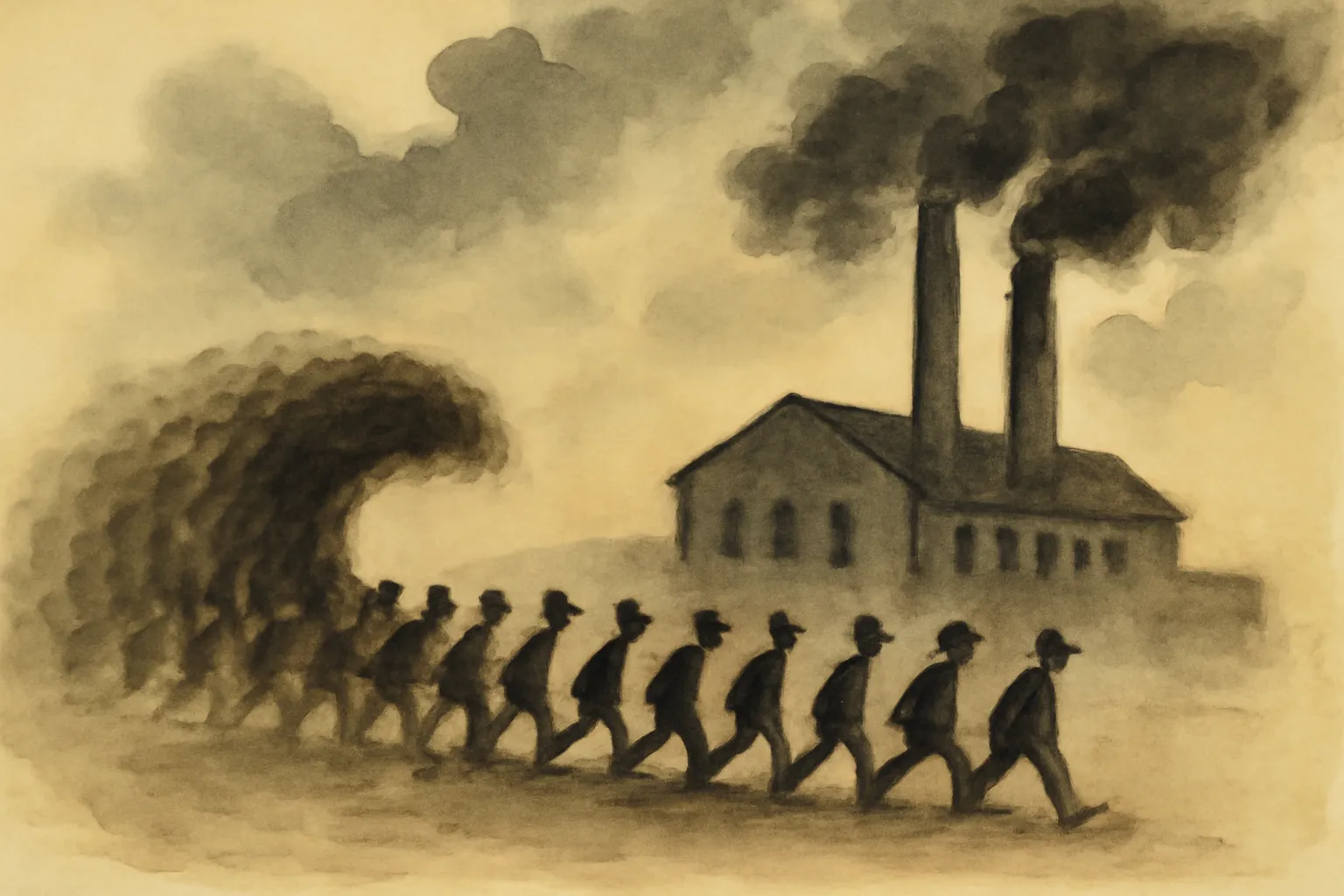
Marx and Engels argue that all of human history is defined by the struggle between classes—the oppressors and the oppressed. In their time, this manifests as the conflict between the bourgeoisie (capitalist class) and the proletariat (working class). They claim that social and economic systems change when class conflict reaches a breaking point, making revolution a historical inevitability rather than a moral choice.
2.The Rise and Role of the Bourgeoisie
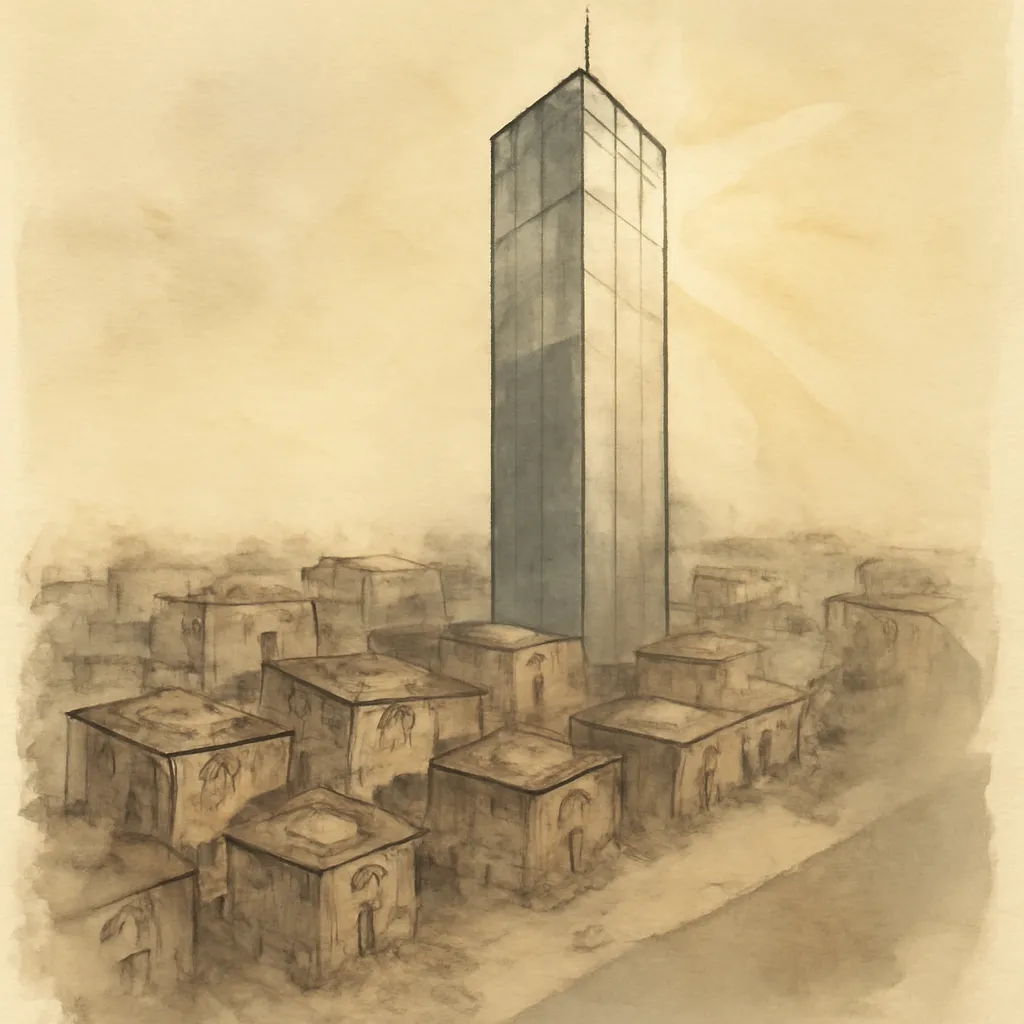
The Manifesto highlights how the bourgeoisie, empowered by the Industrial Revolution, transformed society by centralizing production and creating global markets. While this class drove technological and economic progress, Marx and Engels argue that it also created new forms of exploitation and inequality, setting the stage for its own eventual downfall.
3.Capitalism’s Contradictions
Marx and Engels critique capitalism for generating immense wealth but concentrating it in the hands of a few. They point to recurring economic crises, overproduction, and the alienation of workers as evidence that capitalism is inherently unstable and unsustainable. These contradictions, they argue, will ultimately lead to its collapse.
4.The Proletariat as Revolutionary Agent
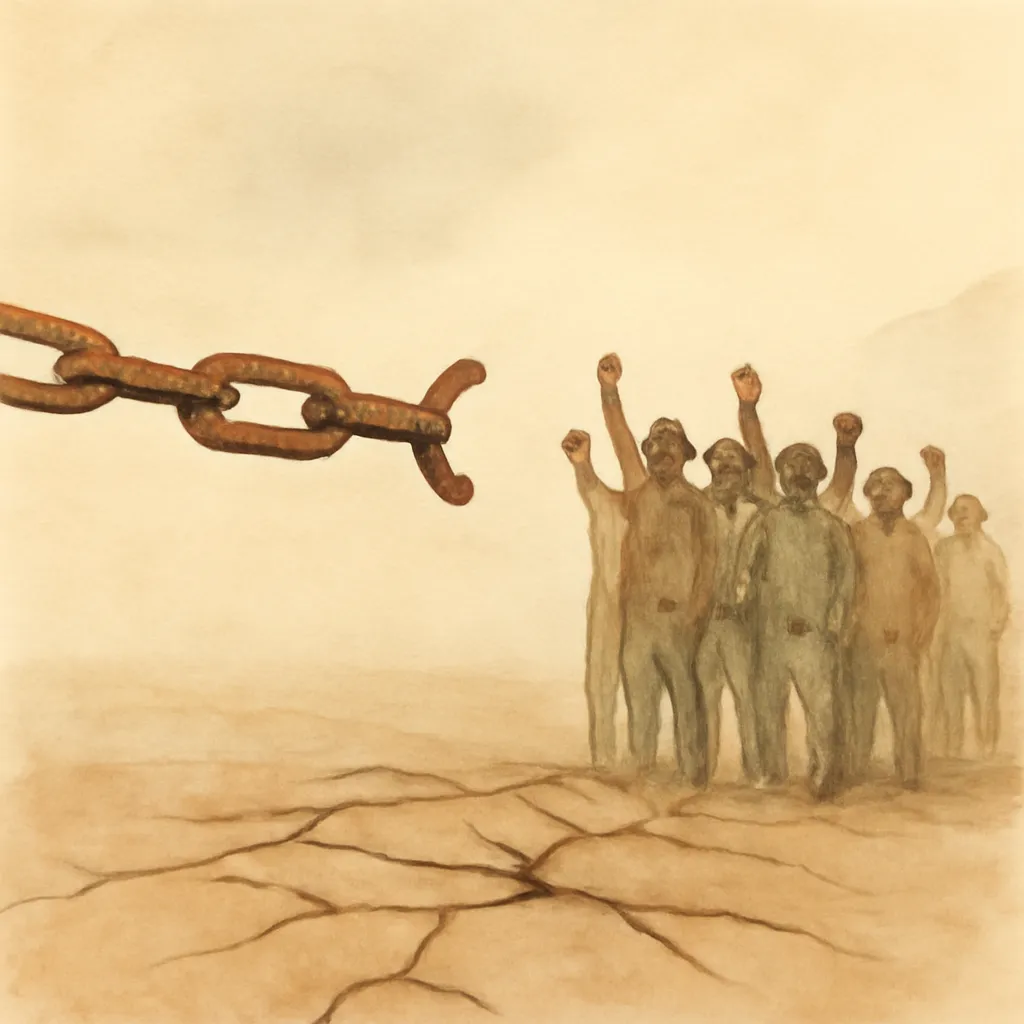
The working class is portrayed as uniquely positioned to overthrow the capitalist system. Unlike previous revolutions that simply replaced one ruling class with another, Marx and Engels envision the proletariat abolishing class distinctions altogether, leading to a classless society where the means of production are communally owned.
5.Abolition of Private Property
One of the Manifesto’s most provocative proposals is the abolition of bourgeois private property. Marx and Engels clarify that this does not mean abolishing personal possessions, but rather the private ownership of productive assets that enable exploitation. This idea remains one of the most controversial and debated aspects of their vision.
6.Internationalism and Solidarity
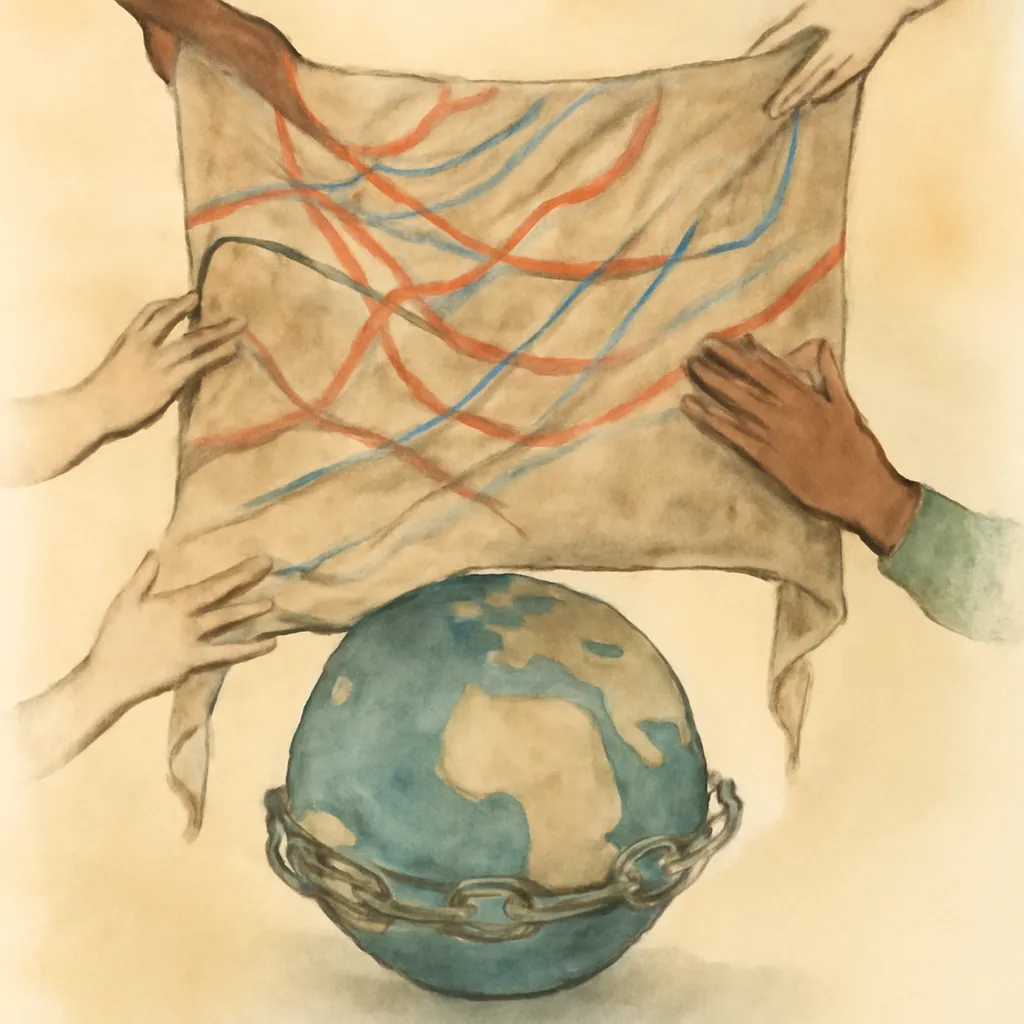
The Manifesto insists that the struggle against capitalism is global, not national. Workers of all countries are encouraged to unite, transcending borders and national rivalries. This emphasis on international solidarity has inspired countless movements and remains a rallying cry for activists worldwide.