

dementia · alcoholism · Protestantism
The Corrections by Jonathan Franzen — Summary, Key Ideas & Quotes
2001582 pages✦ 3-min Big ideas★ 3.9 (27)
Rate it
Like bookends of the past half century, the two generations of the Lambert family represent two very different aspects of America. Alfred, the patriarch, is a distant, puritanical company man; he is also slipping into Parkinson's-induced dementia. His wife, Enid, is a model Midwestern housewife, at once deferential and controlling. Their three children--Gary, an uptight banker, baffled by his own persistent unhappiness; Chip, and ex-professor now failing as a screenwriter; and Denise, and up-and-coming chief in a hot new restaurant--have little time for Enid and Alfred. But when Enid calls for one last Christmas at the family home, the trajectories of five American lifetimes converge. With this important, profoundly affecting work, Jonathan Franzen confirms his place in the top tier of American novelists. His unique blend of subversive humor and full-blooded realism makes The Corrections a grandly entertaining family saga.
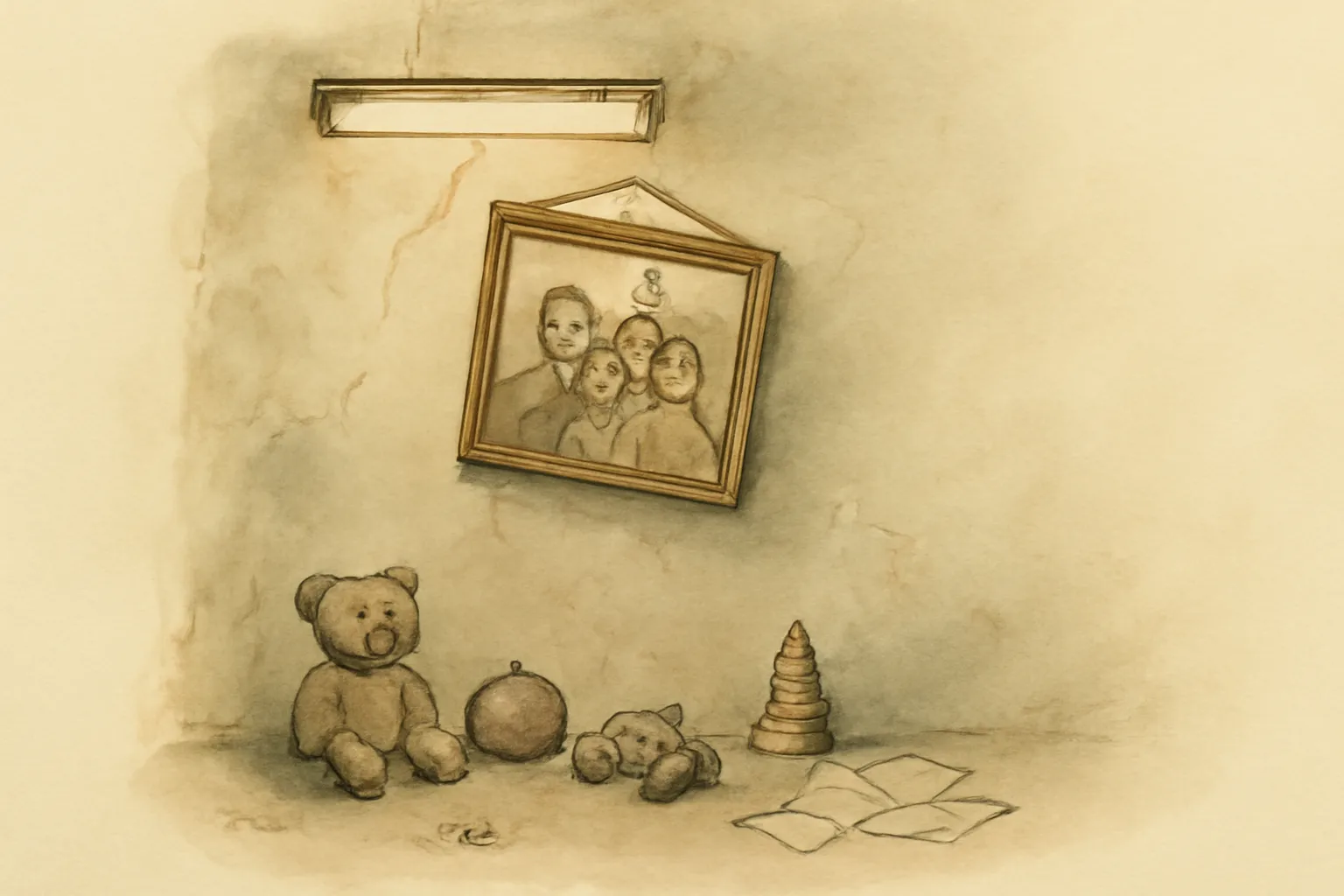
Franzen uses the Lambert family to explore how traditional family structures strain and fracture under the pressures of modernity. Each member is isolated by their own ambitions and disappointments, and the family’s attempts to reunite—symbolized by Enid’s desperate wish for one last Christmas together—highlight how nostalgia and denial can mask deeper dysfunctions. The novel suggests that the 'corrections' families try to make are often futile, as individuals are shaped by forces beyond their control.
A recurring theme is the characters’ futile attempts to control their lives and those around them. Alfred’s rigid self-discipline crumbles in the face of illness; Enid’s obsessive need for order only deepens her sense of dissatisfaction. Their children, too, chase success or escape, only to find themselves trapped by their own choices. Franzen suggests that the desire for control is both deeply human and inherently doomed, especially in a world shaped by unpredictable economic and social forces.
“You may not be interested in the world, but the world is interested in you.”
“The most important thing in life is not to capitalize on your successes—any fool can do that. The really important thing is to profit from your mistakes.”