Like bookends of the past half century, the two generations of the Lambert family represent two very different aspects of America. Alfred, the patriarch, is a distant, puritanical company man; he is also slipping into Parkinson's-induced dementia. His wife, Enid, is a model Midwestern housewife, at once deferential and controlling. Their three children--Gary, an uptight banker, baffled by his own persistent unhappiness; Chip, and ex-professor now failing as a screenwriter; and Denise, and up-and-coming chief in a hot new restaurant--have little time for Enid and Alfred. But when Enid calls for one last Christmas at the family home, the trajectories of five American lifetimes converge.
With this important, profoundly affecting work, Jonathan Franzen confirms his place in the top tier of American novelists. His unique blend of subversive humor and full-blooded realism makes The Corrections a grandly entertaining family saga.
A darkly funny, unflinching portrait of a family unraveling at the turn of the millennium.
The Corrections is a sprawling, ambitious novel that dissects the modern American family with wit, empathy, and brutal honesty. Readers seeking a story that probes the anxieties of contemporary life—generational divides, personal failure, and the search for meaning—will find Franzen's masterpiece both challenging and deeply rewarding.
Jonathan Franzen is a critically acclaimed American novelist known for his incisive explorations of contemporary society. His deep understanding of family dynamics and cultural shifts makes him a leading voice in literary fiction.
Key ideas
1.The Disintegration of the Nuclear Family
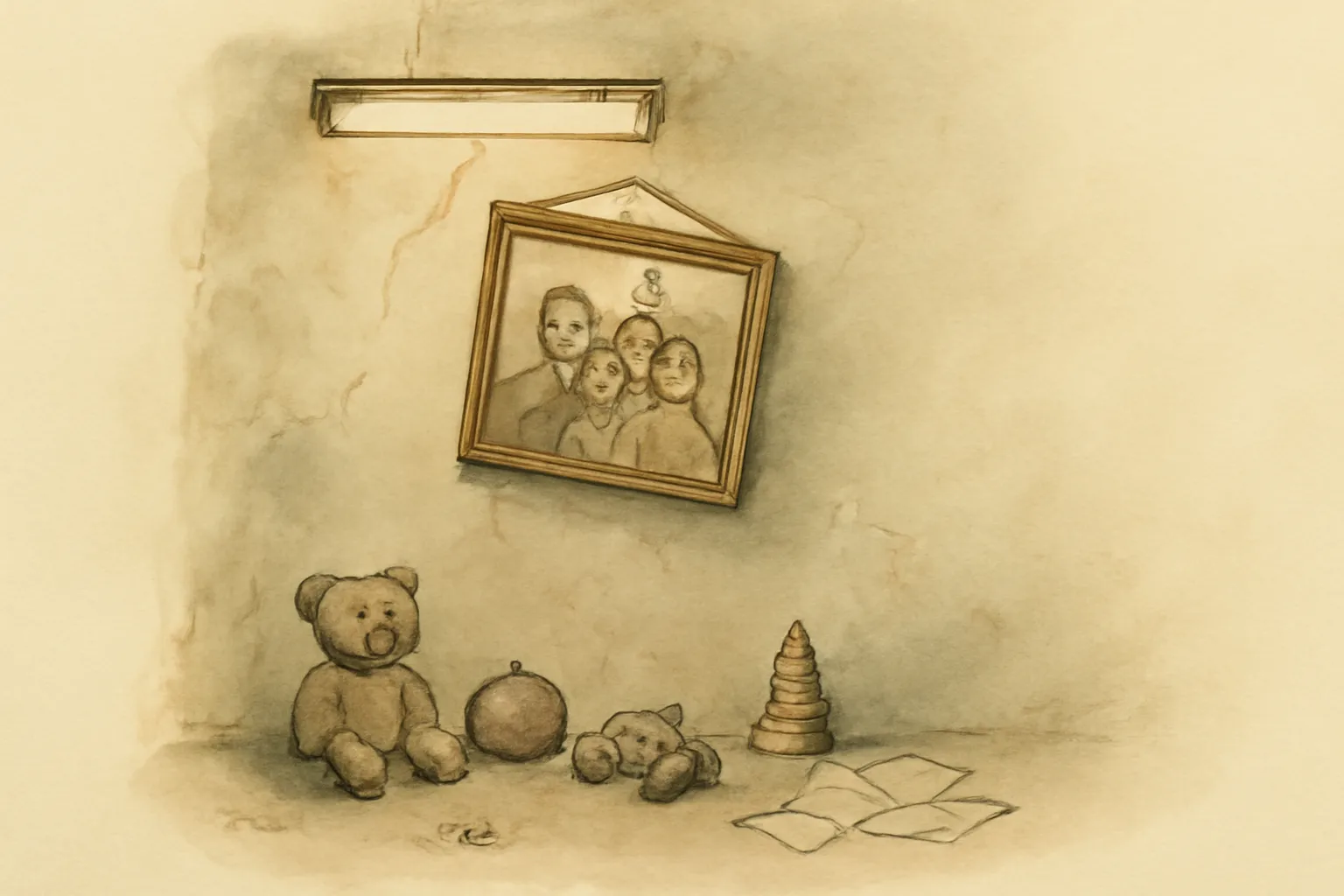
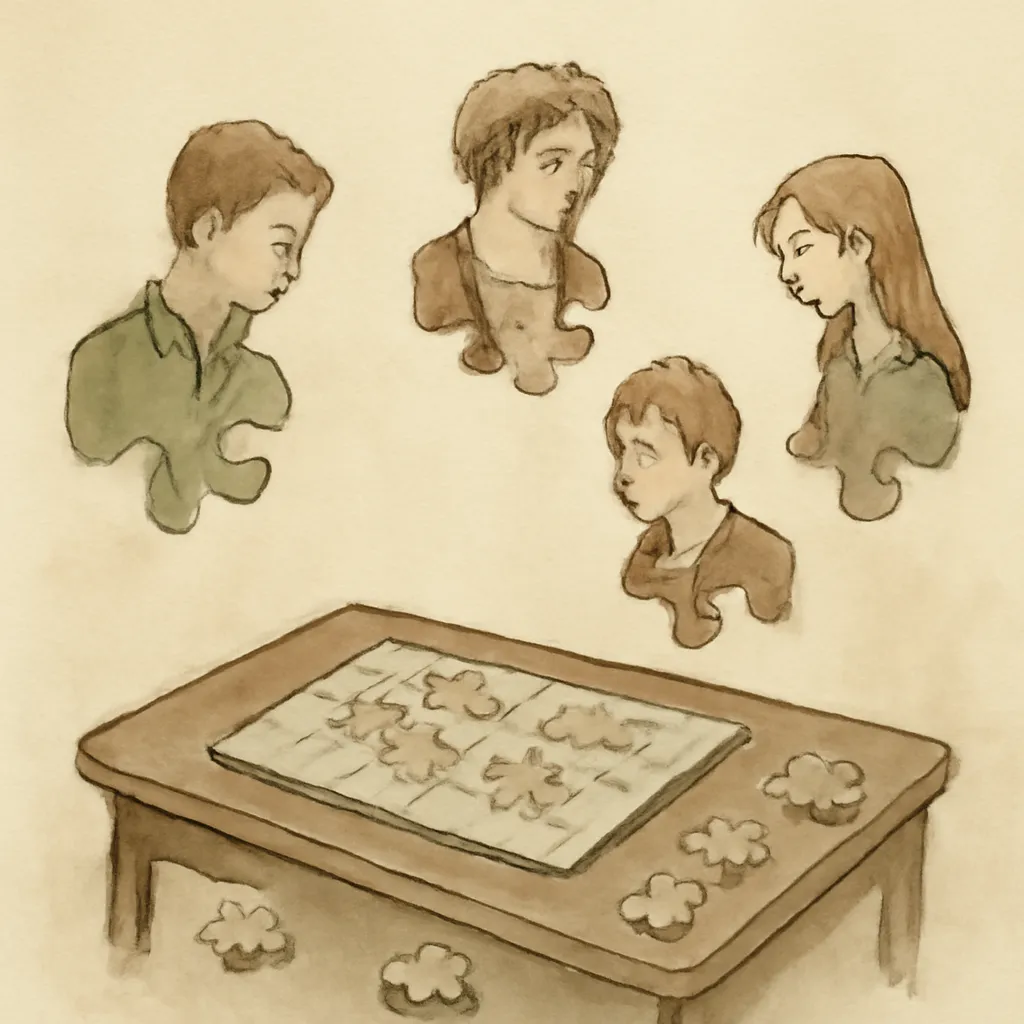
Franzen uses the Lambert family to explore how traditional family structures strain and fracture under the pressures of modernity. Each member is isolated by their own ambitions and disappointments, and the family’s attempts to reunite—symbolized by Enid’s desperate wish for one last Christmas together—highlight how nostalgia and denial can mask deeper dysfunctions. The novel suggests that the 'corrections' families try to make are often futile, as individuals are shaped by forces beyond their control.
2.The Illusion of Control
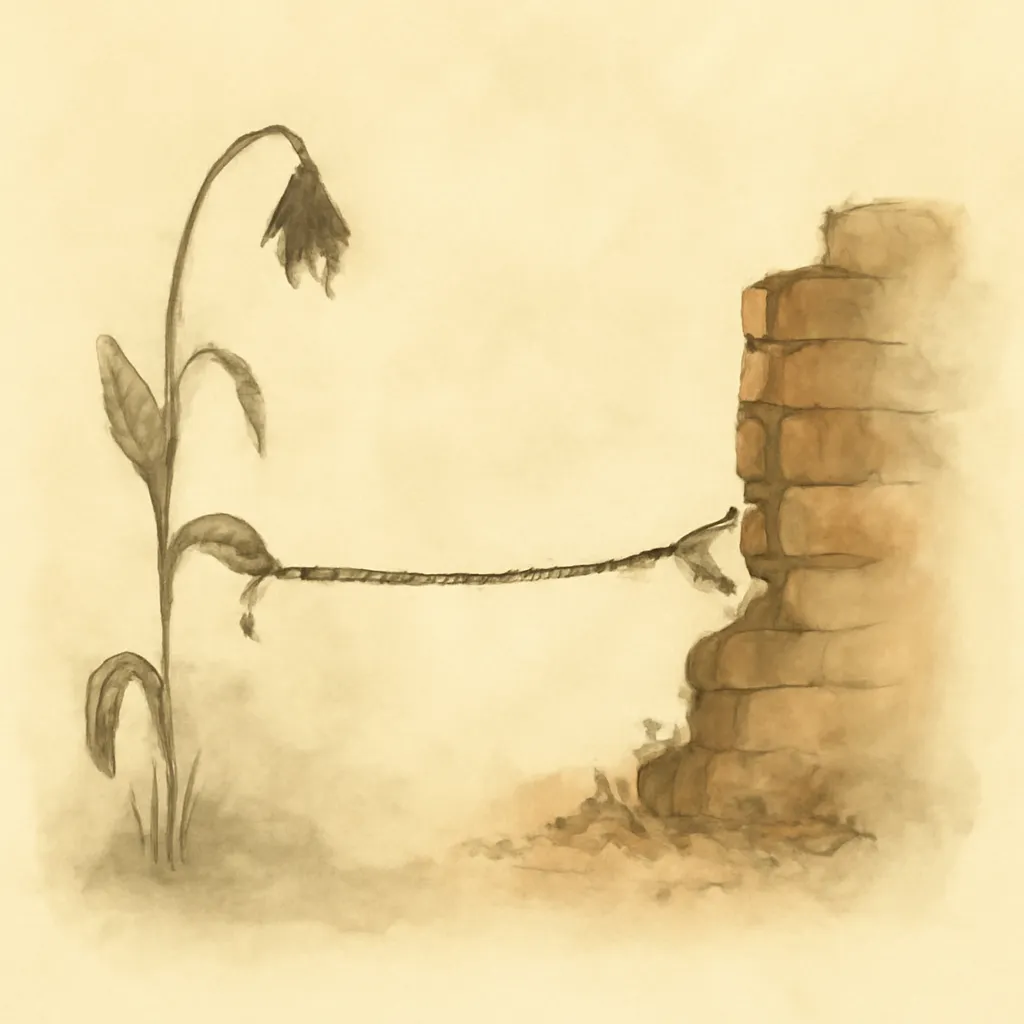
A recurring theme is the characters’ futile attempts to control their lives and those around them. Alfred’s rigid self-discipline crumbles in the face of illness; Enid’s obsessive need for order only deepens her sense of dissatisfaction. Their children, too, chase success or escape, only to find themselves trapped by their own choices. Franzen suggests that the desire for control is both deeply human and inherently doomed, especially in a world shaped by unpredictable economic and social forces.
3.Generational Conflict and Cultural Change
The Lamberts embody the tensions between postwar American values and the uncertainties of the late 20th century. Alfred and Enid represent a fading era of duty and conformity, while their children grapple with the promises and pitfalls of personal freedom. The novel is attuned to the anxieties of its time—globalization, the rise of technology, the erosion of stable identities—making the family’s struggles a microcosm of broader societal shifts.
4.Mental Health and Denial
The Corrections is unflinching in its depiction of mental illness, particularly through Alfred’s Parkinson’s-induced dementia and the pervasive depression and anxiety among his children. Franzen examines how families respond to illness with denial, avoidance, or misplaced optimism, and how these responses can both protect and harm. The novel is ultimately sympathetic, showing that suffering is often hidden beneath the surface of ordinary lives.
5.Satire of Consumer Culture
Franzen skewers the excesses and absurdities of late-capitalist America, from pharmaceutical marketing to the commodification of family life. The characters’ material aspirations are often hollow, and their pursuit of happiness through consumption is portrayed as both comic and tragic. The novel’s biting humor exposes the ways in which consumer culture shapes personal identity and relationships, often at great cost.
6.The Search for Redemption
Despite its bleakness, The Corrections offers moments of grace and the possibility of change. The characters’ journeys are marked by failure and disappointment, but also by attempts—however flawed—to connect, forgive, and understand one another. Franzen suggests that while perfect 'corrections' may be impossible, small gestures of empathy and honesty can offer hope.
Key takeaways
◆Franzen’s Lamberts are both painfully specific and universally relatable.
◆The novel’s humor cuts through its darkness, making its insights more piercing.
◆Family dysfunction is shown as both a personal and cultural phenomenon.
◆Attempts to 'fix' the past often lead to new complications.
◆The Corrections captures the anxieties of an era on the brink of change.
In conclusion
The Corrections is a landmark novel that balances satire and empathy to illuminate the complexities of family, identity, and modern American life. For readers willing to confront uncomfortable truths and appreciate dark humor, Franzen’s work offers both intellectual stimulation and emotional resonance.
Notable quotes
“You may not be interested in the world, but the world is interested in you.”
“The most important thing in life is not to capitalize on your successes—any fool can do that. The really important thing is to profit from your mistakes.”