

New York Times bestseller · drowning · families
The Covenant of Water by Abraham Verghese — Summary, Key Ideas & Quotes
20230✦ 3-min Big ideas★ 3.5 (2)
Rate it
Spanning the years 1900 to 1977, three generations of a Christian family in Kerala, South India, suffer a peculiar affliction: in every generation, at least one person dies by drowning. As the novel opens, a twelve-year-old girl is sent by boat to her wedding, where she meets her husband for the first time. She joins a prosperous household and becomes known as Big Ammachi, the matriarch of an extraordinary family that will endure hardship, celebrate triumph, and witness unthinkable changes over the coming decades.
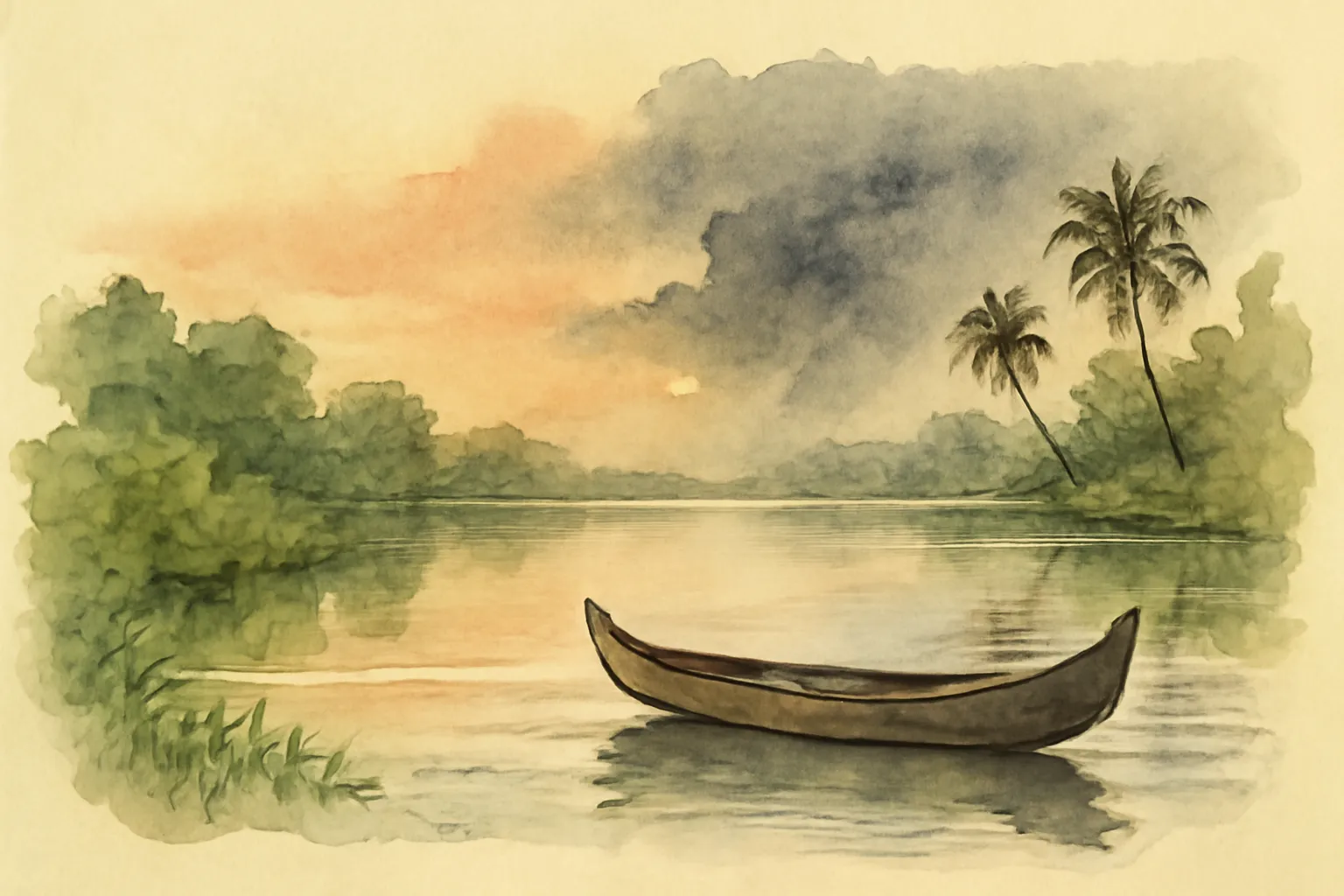
Water is both literal and symbolic throughout the novel, representing fate, danger, and renewal. The family’s curse—losing at least one member to drowning in every generation—serves as a powerful metaphor for the uncontrollable forces that shape our lives. Water connects characters across time, binding them through tragedy and survival, while also reflecting the broader currents of change washing over Kerala.
Big Ammachi, the matriarch, anchors the narrative with her resilience and wisdom. Through her, the novel explores the often-unheralded strength of women in traditional societies. Her journey from a child bride to a revered leader highlights how women negotiate power, tradition, and change, often quietly shaping the destinies of those around them.
“She had learned that the opposite of death is not life but love.”
“Every family has its secrets, but not every family has a curse.”