
Moral conditions · Narcissism · Social conditions
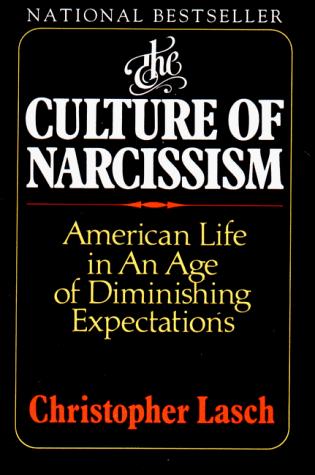
The Culture of Narcissism by Christopher Lasch — Summary, Key Ideas & Quotes
1978312 pages✦ 3-min Big ideas★ 3.0 (1)
Rate it
Here is a penetrating view of the narcissistic personality of our time. Liberated from the superstitions of the past, it embraces new cults, only to discover that emancipation from ancient taboos brings neither sexual nor spiritual peace. Emotionally shallow, fearful of intimacy, hypochondriacal, primed with pseudo-self-insight, indulging in sexual promiscuity, dreading old age and death, the new narcissist has lost interest in the future. The happy hooker has replaced Horatio Alger as a symbol of success. Reformers with the best of intentions condemn the lower class to a second-rate education. Games enlist skill and intelligence which would otherwise be contributing to the welfare of society. The sexes are engaged in an escalating war. Is there hope for this society in its dotage? Christopher Lasch believes there is . . .

Lasch argues that narcissism is not merely an individual pathology but a defining trait of late 20th-century American culture. He traces how social, economic, and political changes—especially the rise of consumerism, mass media, and the decline of traditional authority—have fostered a culture obsessed with self-image, personal gratification, and emotional validation. This widespread narcissism manifests in everything from therapy culture to celebrity worship, and it undermines genuine community and civic engagement.
The book contends that the weakening of traditional institutions—family, church, and community—has left individuals unmoored. Without stable sources of meaning or guidance, people turn inward, seeking self-fulfillment and validation. Lasch sees this as a double-edged sword: while it frees individuals from oppressive norms, it also breeds insecurity, anxiety, and a longing for external affirmation.
“Every age develops its own peculiar forms of pathology, which express in exaggerated form its underlying character structure.”
“The contemporary climate is therapeutic, not religious. People today hunger not for personal salvation, let alone for the restoration of an earlier golden age, but for the feeling, the momentary illusion, of personal well-being, health, and psychic security.”