1.Narcissism as a Social Epidemic
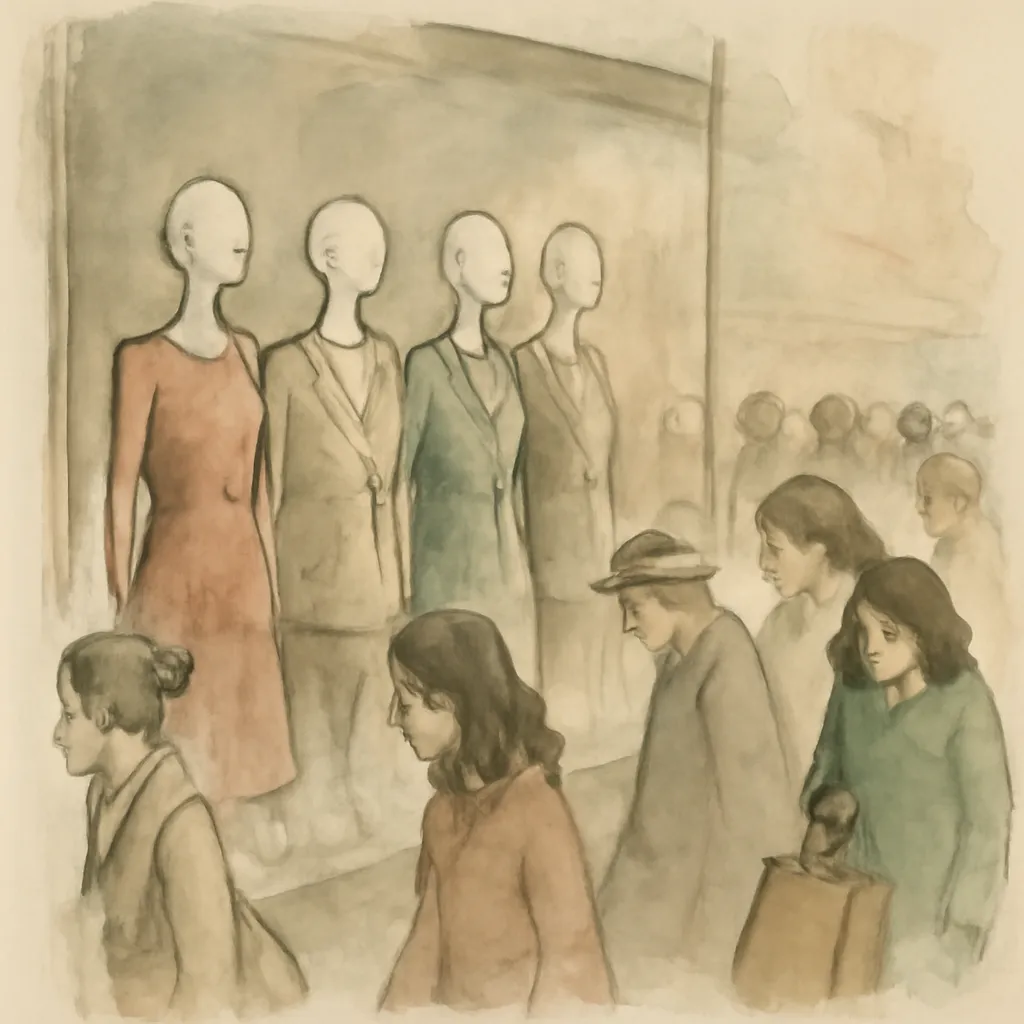
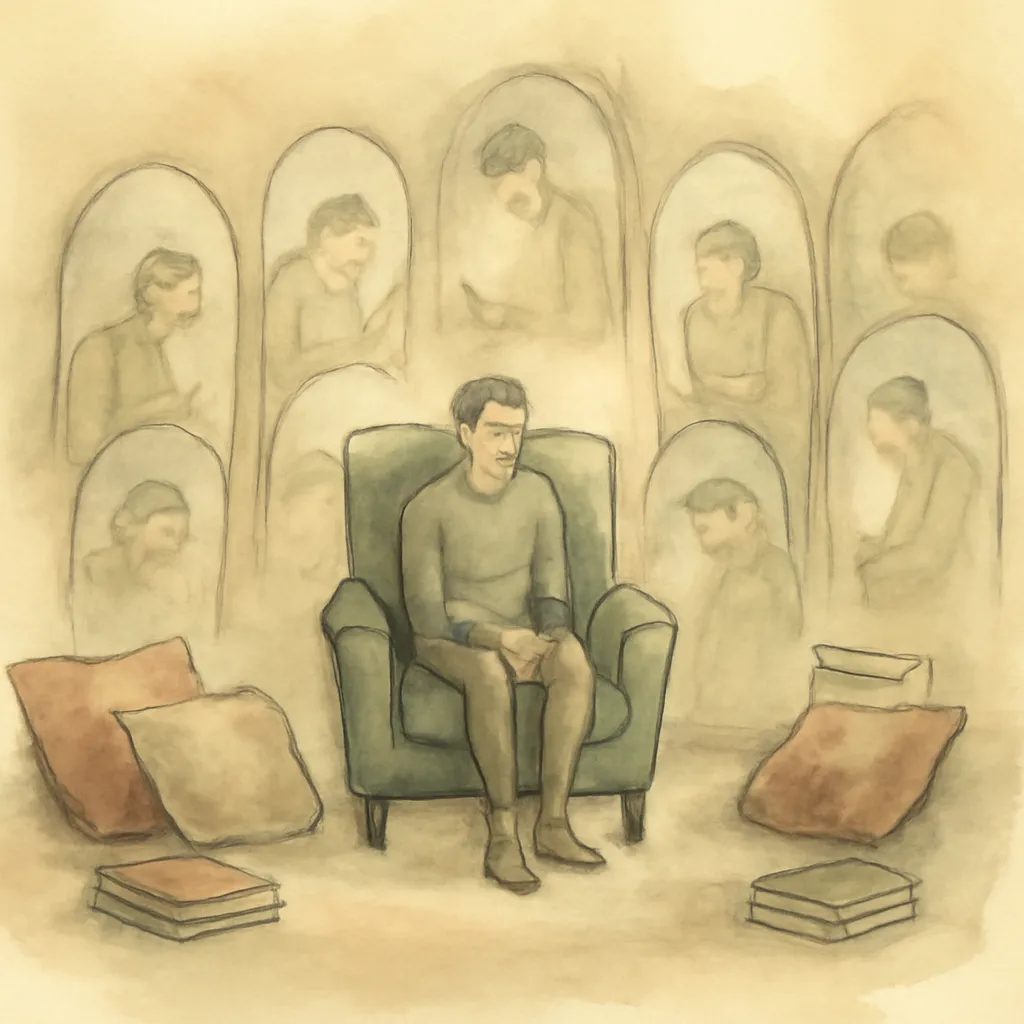
Lasch argues that narcissism is not merely an individual pathology but a defining trait of late 20th-century American culture. He traces how social, economic, and political changes—especially the rise of consumerism, mass media, and the decline of traditional authority—have fostered a culture obsessed with self-image, personal gratification, and emotional validation. This widespread narcissism manifests in everything from therapy culture to celebrity worship, and it undermines genuine community and civic engagement.
2.The Decline of Authority and Tradition
The book contends that the weakening of traditional institutions—family, church, and community—has left individuals unmoored. Without stable sources of meaning or guidance, people turn inward, seeking self-fulfillment and validation. Lasch sees this as a double-edged sword: while it frees individuals from oppressive norms, it also breeds insecurity, anxiety, and a longing for external affirmation.
3.Therapeutic Culture and the Self
Lasch critically examines the rise of psychotherapy and self-help as substitutes for community and moral frameworks. He suggests that the therapeutic mindset encourages people to see themselves as perpetual victims, focused on self-realization rather than responsibility or solidarity. This fosters a shallow sense of self-awareness, more concerned with managing feelings than confronting real social or ethical dilemmas.
4.Commodification of Everyday Life
The book explores how consumer capitalism turns even personal identity into a product. Advertising, entertainment, and lifestyle industries encourage people to curate their personalities and relationships for public display. This commodification erodes authentic experience and deepens the sense of emptiness at the heart of narcissistic culture.
5.Fear of Aging and Death
Lasch observes that the narcissistic personality is especially haunted by the realities of aging and mortality. In a society that prizes youth, novelty, and constant reinvention, growing old becomes a source of shame and anxiety. This leads to denial, escapism, and a fixation on staying 'forever young,' further alienating individuals from the natural rhythms of life.
6.The Paradox of Liberation
While many social movements sought to liberate individuals from repressive traditions, Lasch argues that this liberation often backfired. Instead of producing greater happiness or solidarity, it led to fragmentation, loneliness, and a sense of futility. The pursuit of total autonomy, he warns, can undermine the very foundations of meaningful community.