
City planning · Urban renewal · Urban policy
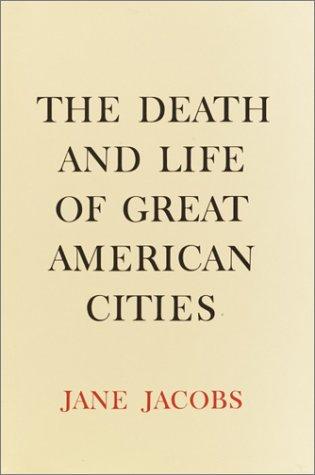
The Death and Life of Great American Cities by Jane Jacobs — Summary, Key Ideas & Quotes
1961472 pages✦ 3-min Big ideas★ 4.0 (19)
Rate it
The Death and Life of Great American Cities was described by The New York Times as “perhaps the most influential single work in the history of town planning. . . . [It] can also be seen in a much larger context. It is first of all a work of literature; the descriptions of street life as a kind of ballet and the bitingly satiric account of traditional planning theory can still be read for pleasure even by those who long ago absorbed and appropriated the book’s arguments.” Jane Jacobs, an editor and writer on architecture in New York City in the early sixties, argued that urban diversity and vitality were being destroyed by powerful architects and city planners. Rigorous, sane, and delightfully epigrammatic, Jane Jacobs’s tour de force is a blueprint for the humanistic management of cities. It remains sensible, knowledgeable, readable, and indispensable.
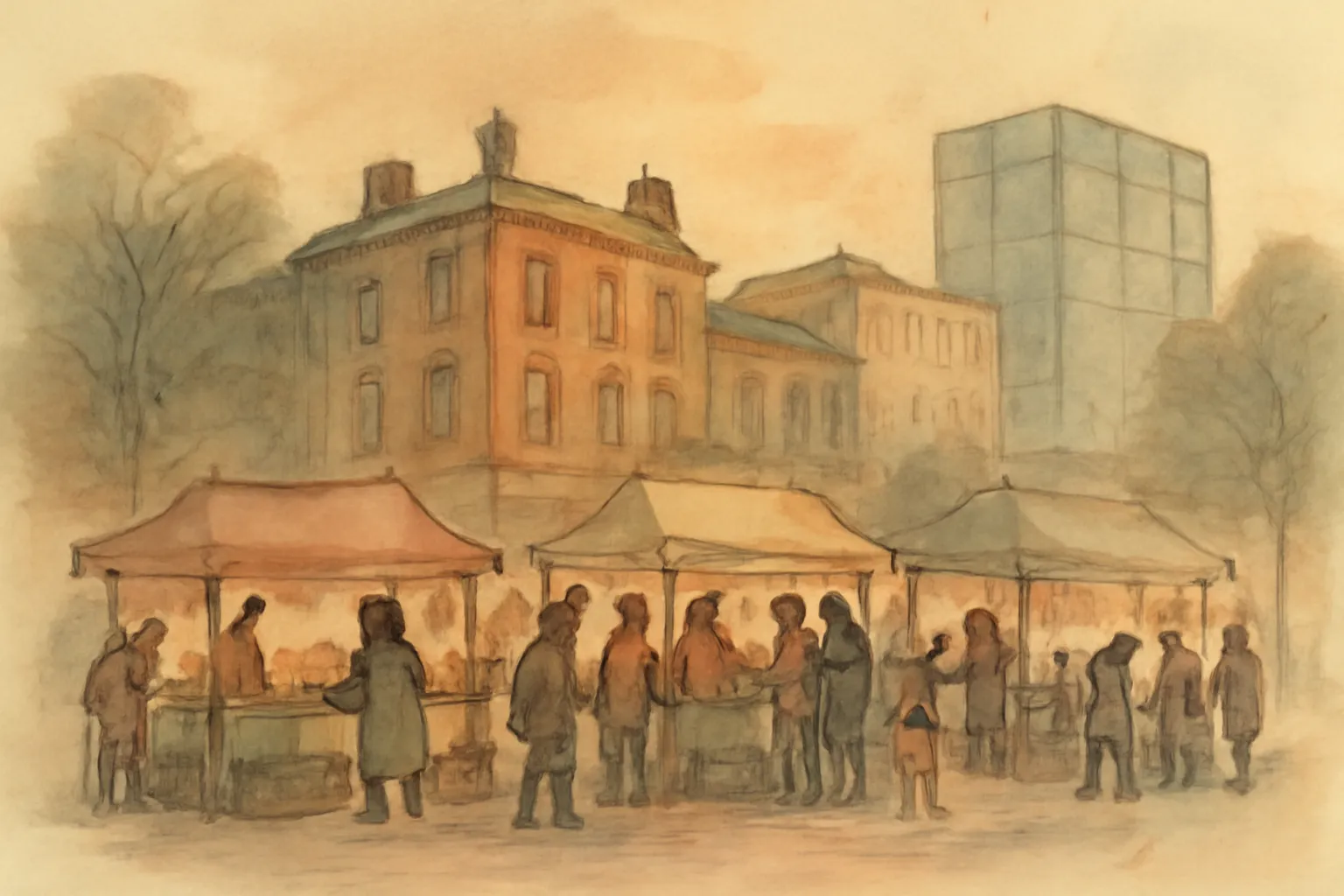
Jacobs argues that the vitality of a city depends on its diversity—of people, buildings, uses, and activities. She contends that a mix of old and new structures, various businesses, and different kinds of residents create the conditions for economic and social vibrancy. Homogeneous, single-use zones, by contrast, stifle creativity and community. For Jacobs, diversity isn’t just an aesthetic preference; it’s a practical necessity for safety, innovation, and resilience.
One of Jacobs’ most memorable contributions is her depiction of city sidewalks as stages for a daily 'ballet'—a complex, spontaneous choreography of interactions among residents, shopkeepers, and passersby. These everyday encounters foster trust, safety, and a sense of belonging. She insists that healthy sidewalks are the foundation of urban life, and that their vitality can’t be manufactured by planners but must emerge organically from mixed uses and dense populations.
“Cities have the capability of providing something for everybody, only because, and only when, they are created by everybody.”
“Eyes on the street.”