1.The Power of Diversity
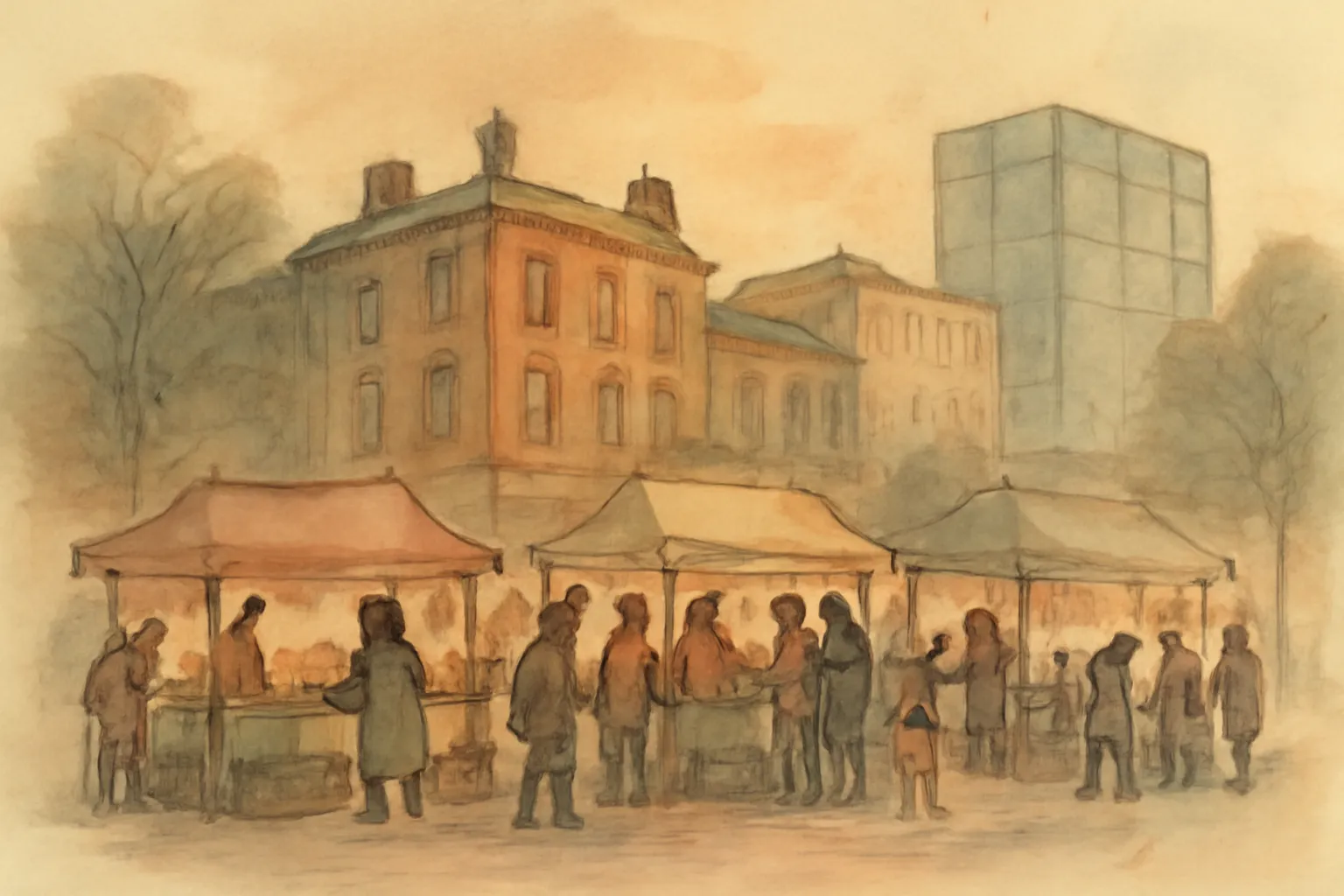
Jacobs argues that the vitality of a city depends on its diversity—of people, buildings, uses, and activities. She contends that a mix of old and new structures, various businesses, and different kinds of residents create the conditions for economic and social vibrancy. Homogeneous, single-use zones, by contrast, stifle creativity and community. For Jacobs, diversity isn’t just an aesthetic preference; it’s a practical necessity for safety, innovation, and resilience.
2.The Sidewalk Ballet
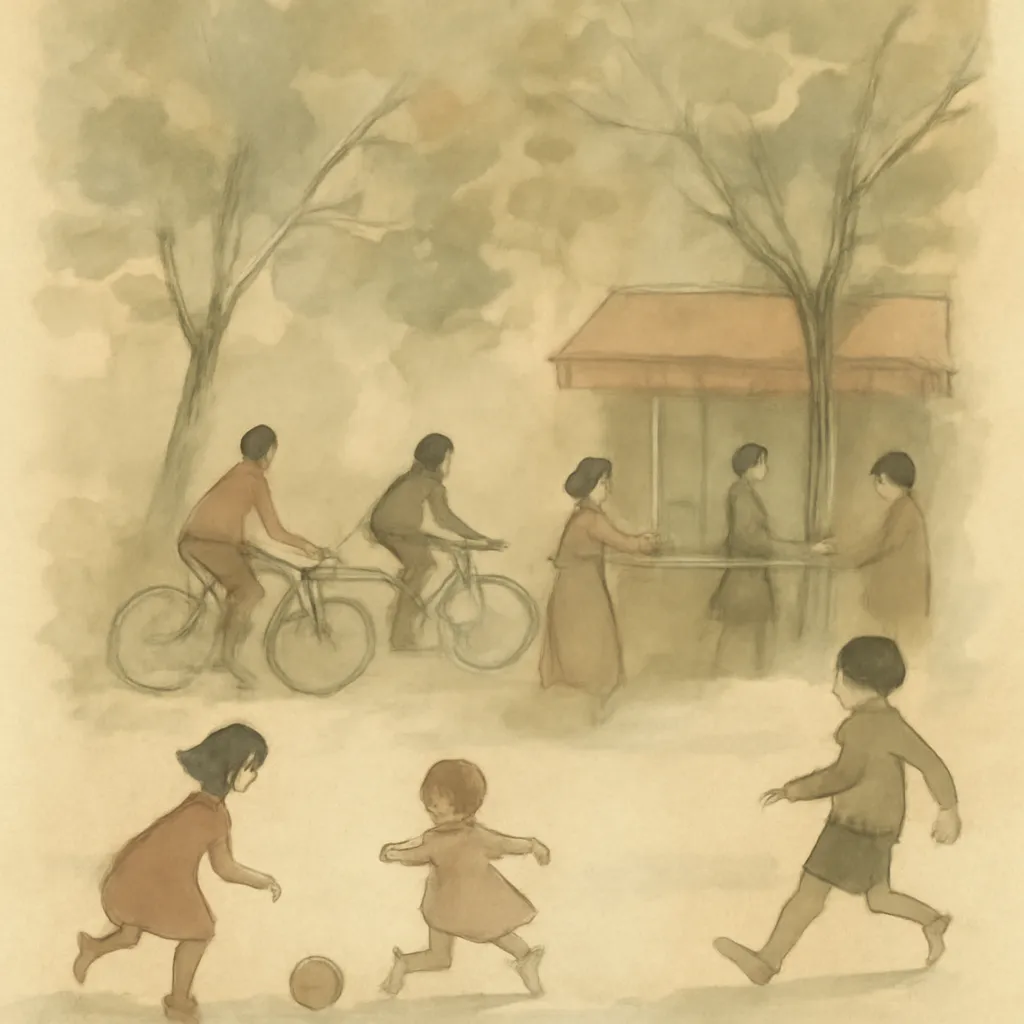
One of Jacobs’ most memorable contributions is her depiction of city sidewalks as stages for a daily 'ballet'—a complex, spontaneous choreography of interactions among residents, shopkeepers, and passersby. These everyday encounters foster trust, safety, and a sense of belonging. She insists that healthy sidewalks are the foundation of urban life, and that their vitality can’t be manufactured by planners but must emerge organically from mixed uses and dense populations.
3.Critique of Urban Renewal
Jacobs is famously critical of mid-20th-century urban renewal projects, which often razed established neighborhoods in favor of sterile high-rises and superblocks. She argues that these top-down interventions destroy the intricate social networks and economic ecosystems that make cities work. Instead of imposing order, such projects breed alienation and decay. Jacobs champions bottom-up, incremental change rooted in the needs and habits of actual residents.
4.Eyes on the Street
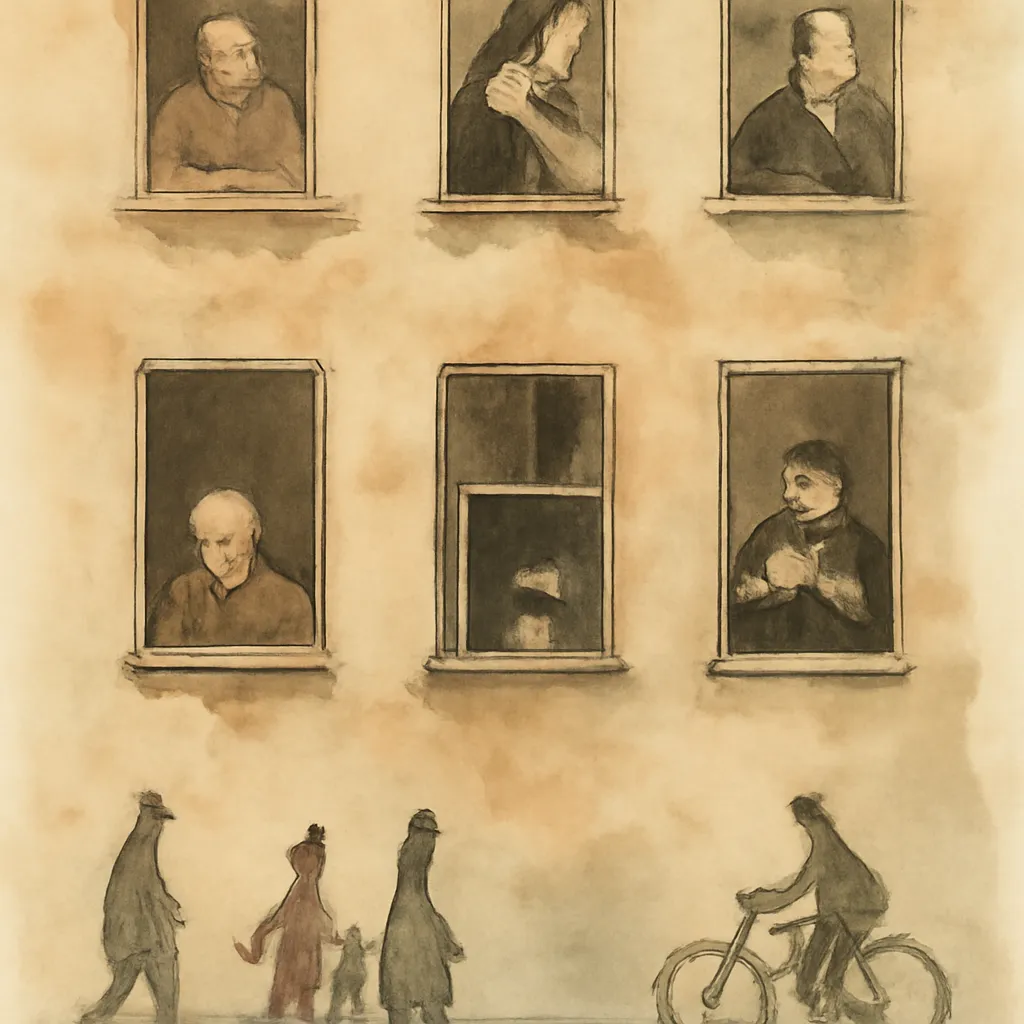
Safety in cities, Jacobs contends, doesn’t come from policing or surveillance, but from the natural presence of people engaged in their daily routines. 'Eyes on the street'—the watchful attention of neighbors, shopkeepers, and passersby—creates informal social control. This idea underpins her broader argument that lively, well-used streets are self-regulating and essential to urban health.
5.Four Generators of Diversity
Jacobs identifies four key conditions for urban diversity: mixed primary uses (so people are present at different times), short blocks (which promote movement and encounters), varied building ages (allowing for different uses and affordability), and dense concentration of people. These factors, she claims, are the recipe for vibrant neighborhoods, and their absence leads to monotony and decline.
6.Cities as Complex Systems
Rejecting the idea that cities are machines to be engineered, Jacobs sees them as complex, adaptive systems. Their health depends on countless small-scale interactions and feedback loops, not on rigid blueprints. This perspective anticipates later developments in complexity science and urban studies, emphasizing the need for humility and observation in city planning.