

Money · History · International finance
The Death of Money by James Rickards — Summary, Key Ideas & Quotes
2014368 pages✦ 3-min Big ideas★ 5.0 (1)
Rate it
The next financial collapse will resemble nothing in history. Deciding upon the best course to follow will require comprehending a minefield of risks, while poised at a crossroads, pondering the death of the dollar. The international monetary system has collapsed three times in the past hundred years, in 1914, 1939, and 1971. Each collapse was followed by a period of tumult: war, civil unrest, or significant damage to the stability of the global economy. Now James Rickards, the acclaimed author of Currency Wars, shows why another collapse is rapidly approaching and why this time, nothing less than the institution of money itself is at risk. The American dollar has been the global reserve currency since the end of the Second World War. If the dollar fails, the entire international monetary system will fail with it. No other currency has the deep, liquid pools of assets needed to do the job. Optimists have always said, in essence, that there's nothing to worry about -- that confidence in the dollar will never truly be shaken, no matter how high our national debt or how dysfunctional our government. But in the last few years, the risks have become too big to ignore. While Washington is gridlocked and unable to make progress on our long-term problems, our biggest economic competitors -- China, Russia, and the oil-producing nations of the Middle East -- are doing everything possible to end U.S. monetary hegemony. The potential results: Financial warfare. Deflation. Hyperinflation. Market collapse. Chaos. Rickards offers a bracing analysis of these and other threats to the dollar. The fundamental problem is that money and wealth have become more and more detached. Money is transitory and ephemeral, and it may soon be worthless if central bankers and politicians continue on their current path. But true wealth is permanent and tangible, and it has real value worldwide. The author shows how everyday citizens who save and invest have become guinea pigs in the central bankers' laboratory. The world's major financial players -- national governments, big banks, multilateral institutions -- will always muddle through by patching together new rules of the game. The real victims of the next crisis will be small investors who assumed that what worked for decades will keep working. Fortunately, it's not too late to prepare for the coming death of money. Rickards explains the power of converting unreliable money into real wealth: gold, land, fine art, and other long-term stores of value. As he writes: "The coming collapse of the dollar and the international monetary system is entirely foreseeable. Only nations and individuals who make provision today will survive the maelstrom to come." - Publisher.
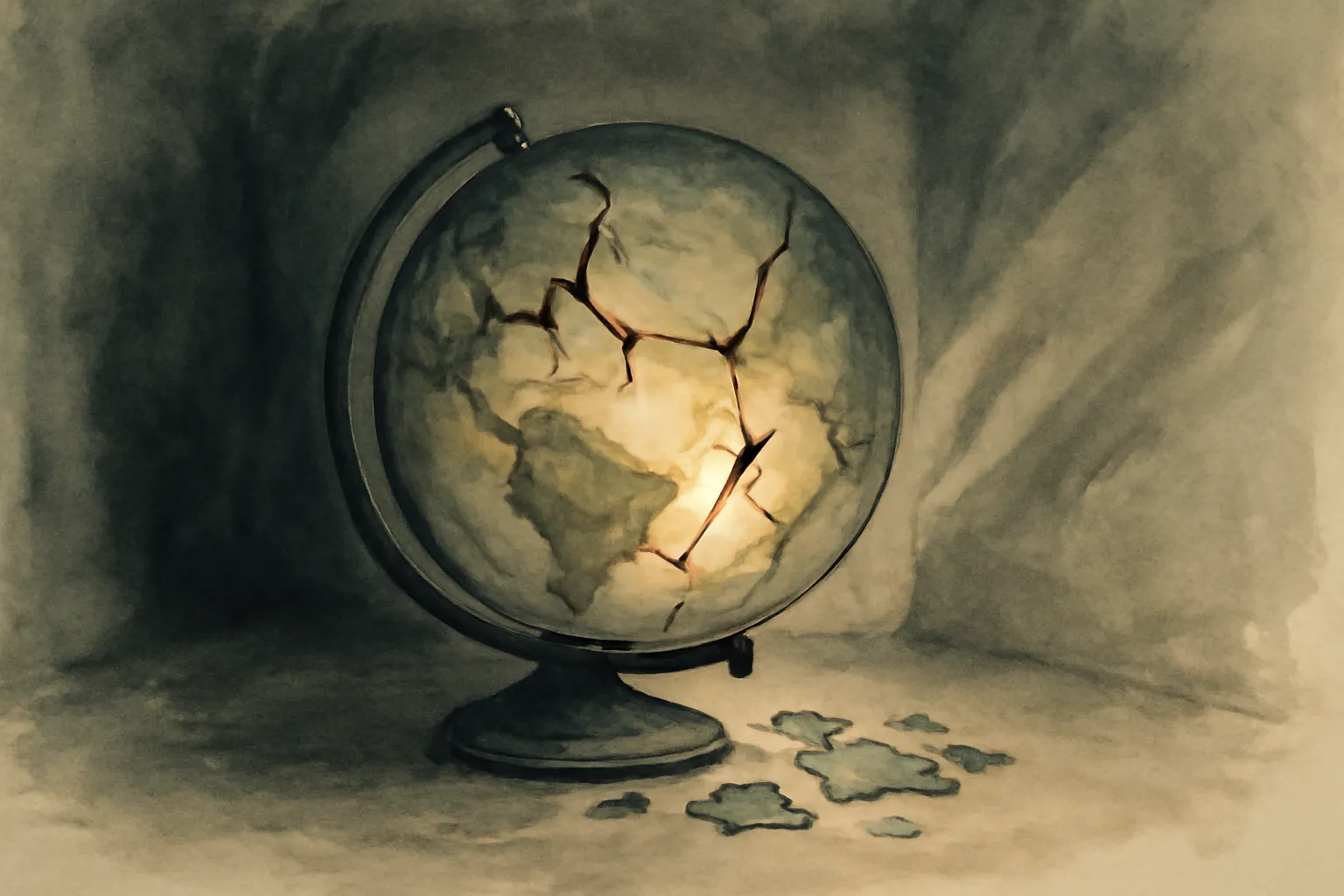
Rickards contends that the international monetary system, anchored by the US dollar since World War II, is far more vulnerable than most realize. He traces previous collapses (1914, 1939, 1971) to show that global finance is periodically upended, and argues that structural weaknesses—such as massive debt, political dysfunction, and overreliance on central banks—make another collapse not just possible but likely. The book highlights how confidence, not just economics, underpins the dollar’s dominance, and that once lost, the system could unravel rapidly.
A central theme is the idea that the financial system behaves like a complex, tightly-coupled network, prone to sudden, unpredictable breakdowns. Rickards draws on concepts from complexity science to argue that regulators and policymakers underestimate the speed and severity with which financial contagion can spread. He warns that traditional risk models fail to capture these dynamics, leaving the system exposed to catastrophic failure.
“The dollar is not just a currency; it is the foundation of the global financial system.”
“When trust is lost, the system collapses at the speed of light.”