1.The Fragility of the Dollar-Based System
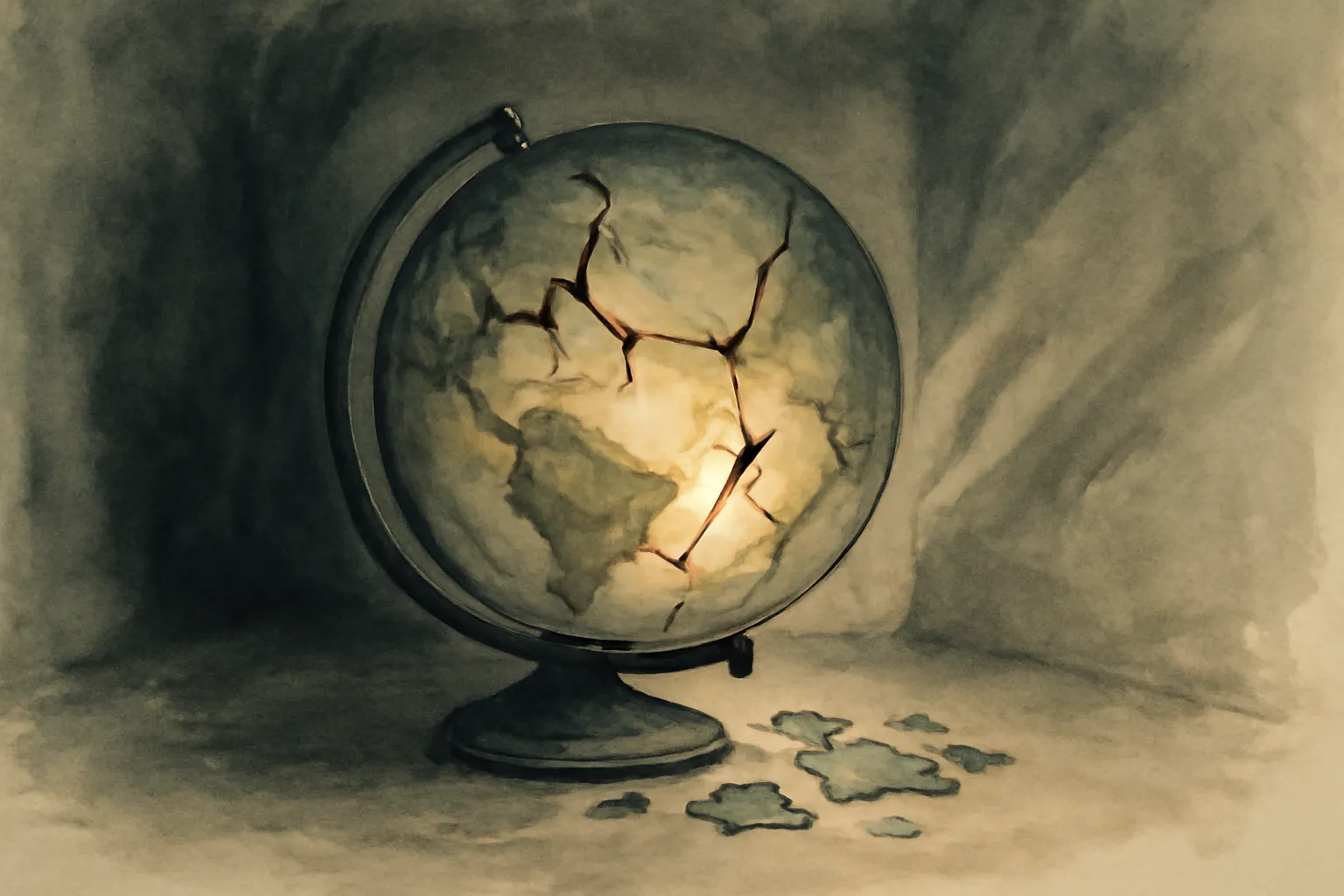
Rickards contends that the international monetary system, anchored by the US dollar since World War II, is far more vulnerable than most realize. He traces previous collapses (1914, 1939, 1971) to show that global finance is periodically upended, and argues that structural weaknesses—such as massive debt, political dysfunction, and overreliance on central banks—make another collapse not just possible but likely. The book highlights how confidence, not just economics, underpins the dollar’s dominance, and that once lost, the system could unravel rapidly.
2.Complexity and Systemic Risk
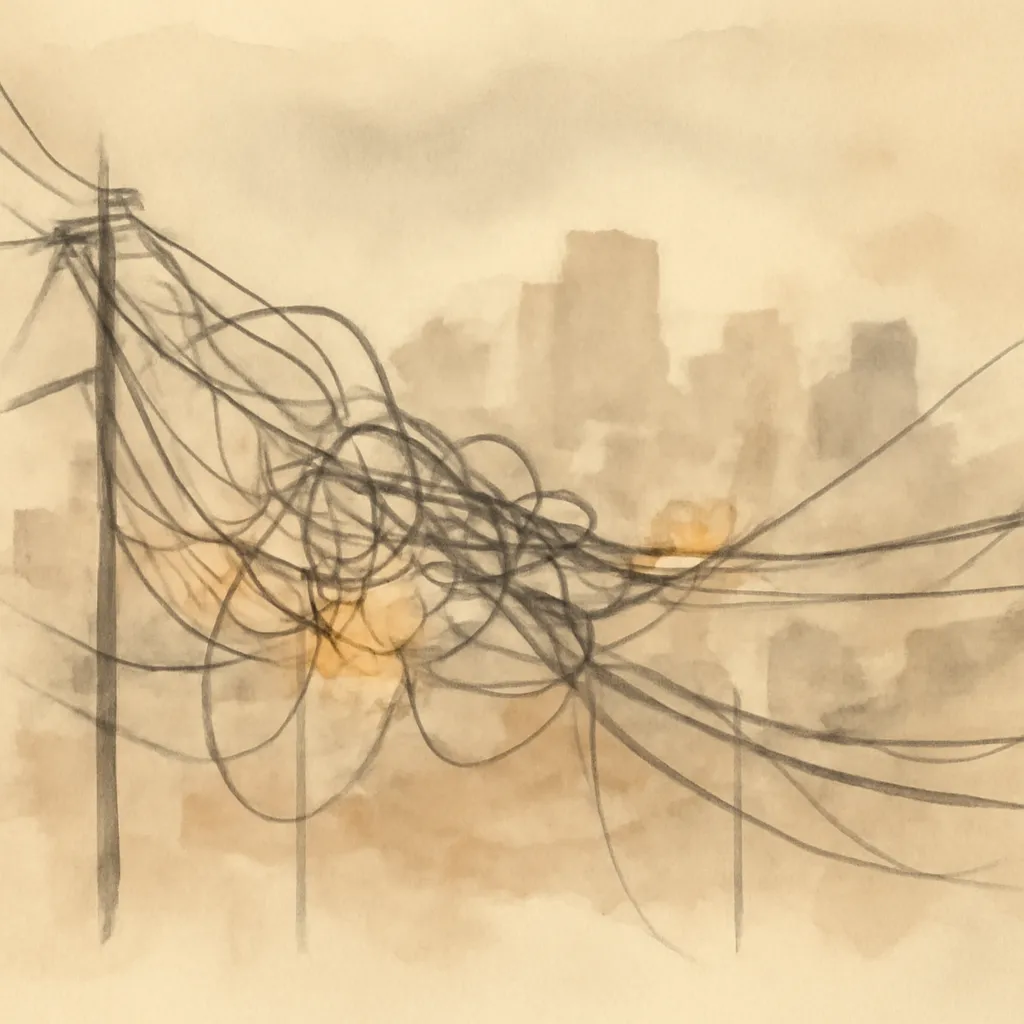
A central theme is the idea that the financial system behaves like a complex, tightly-coupled network, prone to sudden, unpredictable breakdowns. Rickards draws on concepts from complexity science to argue that regulators and policymakers underestimate the speed and severity with which financial contagion can spread. He warns that traditional risk models fail to capture these dynamics, leaving the system exposed to catastrophic failure.
3.Currency Wars and Geopolitical Tensions
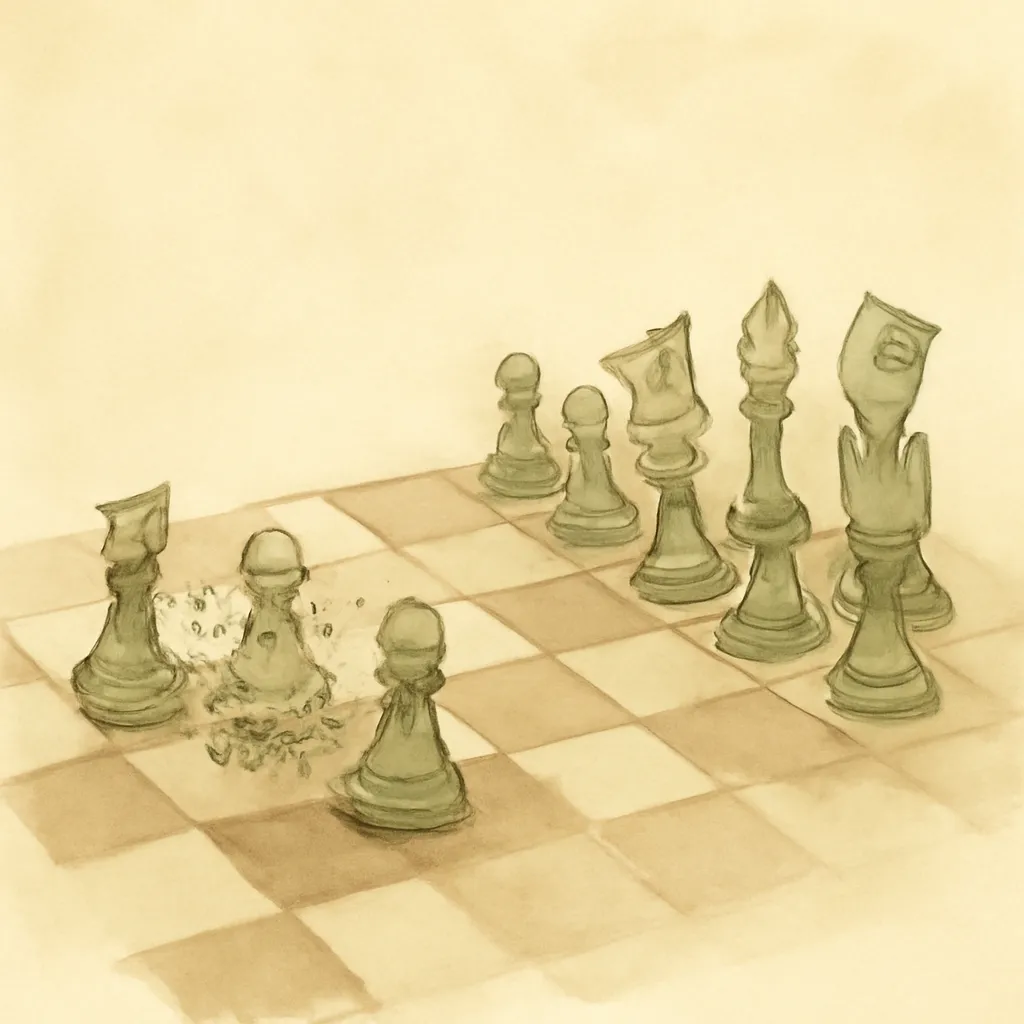
Rickards examines how countries manipulate their currencies to gain economic advantage, leading to 'currency wars' that destabilize the global order. He argues that competitive devaluations, trade imbalances, and geopolitical rivalries (especially involving China, Russia, and the US) increase the likelihood of a monetary crisis. The book suggests that these tensions could escalate into outright financial warfare, with profound consequences for global stability.
4.The Limits of Central Bank Intervention
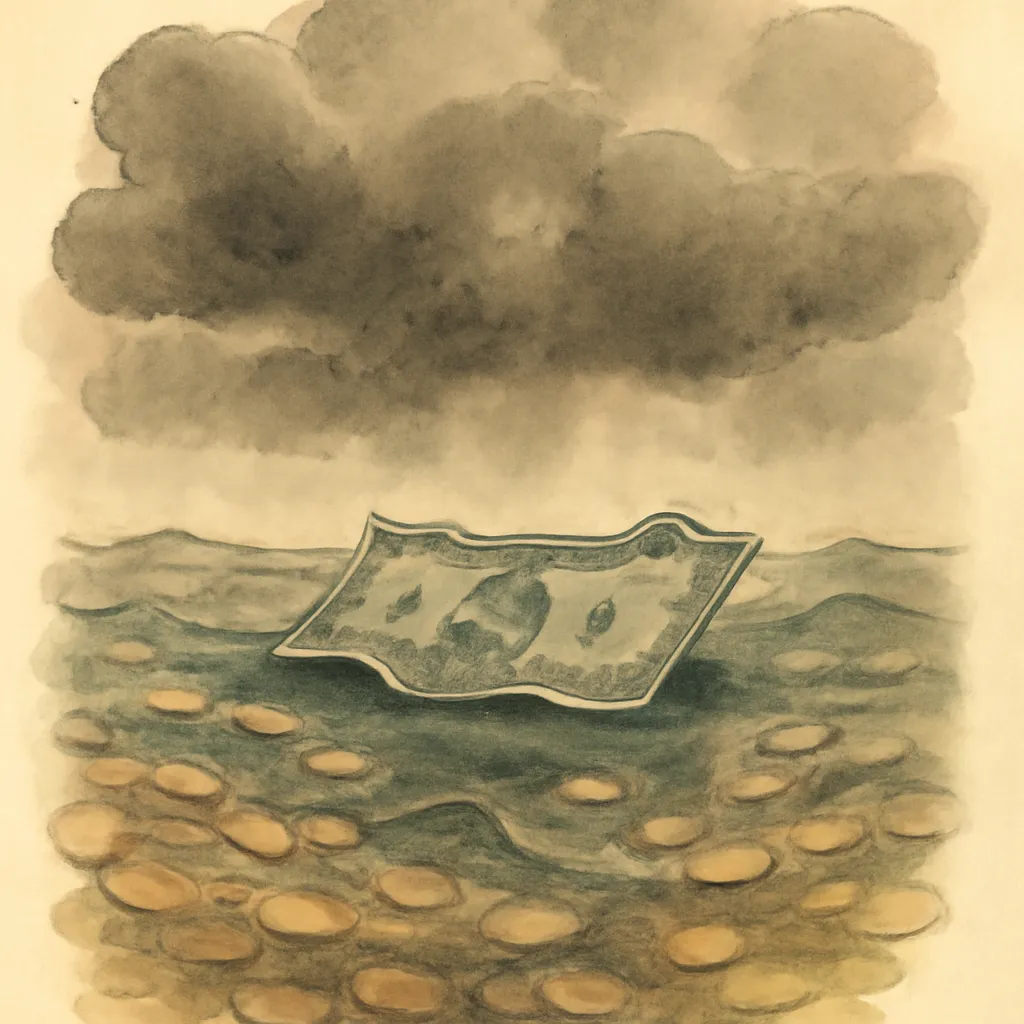
While central banks have propped up markets through quantitative easing and other unconventional policies, Rickards is skeptical about their ability to manage the next crisis. He claims that central banks are running out of tools and credibility, and that their actions may actually increase systemic risk by encouraging excessive risk-taking and distorting asset prices. Eventually, he argues, faith in central banks and fiat money could collapse.
5.Gold and Alternative Stores of Value
Rickards advocates for gold as a hedge against monetary collapse, arguing that it remains the ultimate store of value when trust in paper currencies evaporates. He explores historical precedents and contemporary trends in central bank gold purchases, suggesting that gold may play a renewed role in a post-dollar world. He also discusses other potential alternatives, such as the IMF’s Special Drawing Rights (SDRs), but views gold as uniquely resilient.
6.Preparing for the Unthinkable
The book closes with practical advice for individuals and institutions to protect themselves from the systemic risks Rickards outlines. He recommends diversifying assets, holding some physical gold, and being skeptical of conventional investment wisdom. The overall message is that complacency is dangerous, and that prudent preparation is essential in an era of unprecedented monetary uncertainty.