

Consciousness
The Ego Tunnel by Thomas Metzinger — Summary, Key Ideas & Quotes
2009✦ 3-min Big ideas★ 3.7 (3)
Rate it
We’re used to thinking about the self as an independent entity, something that we either have or are. In The Ego Tunnel, philosopher Thomas Metzinger claims otherwise: No such thing as a self exists. The conscious self is the content of a model created by our brain — an internal image, but one we cannot experience as an image. Everything we experience is “a virtual self in a virtual reality.” But if the self is not “real,” why and how did it evolve? How does the brain construct it? Do we still have souls, free will, personal autonomy, or moral accountability? In a time when the science of cognition is becoming as controversial as evolution, The Ego Tunnel is a radical rethinking of the nature of consciousness and the myster of the mind. Perseus Academic
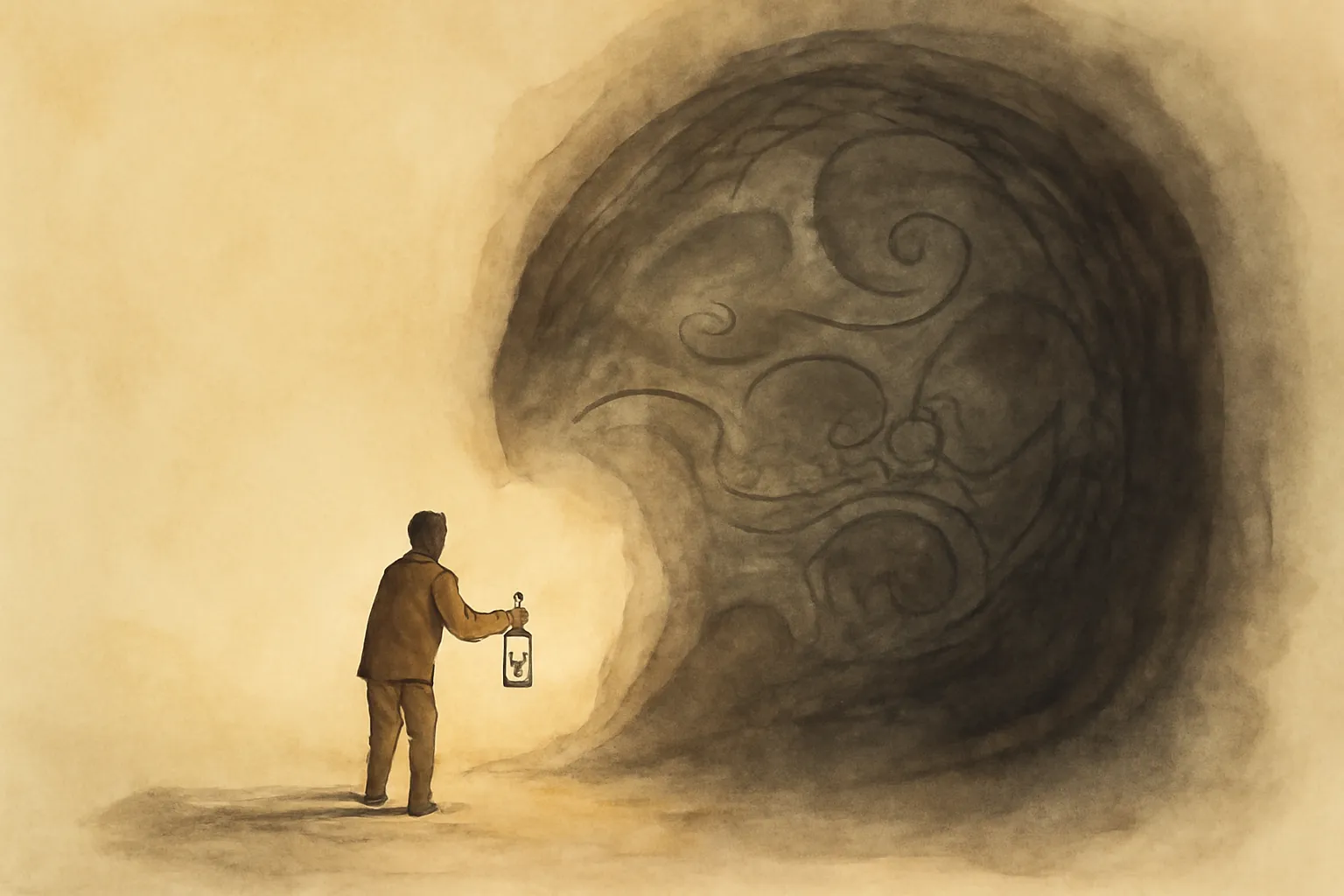
Metzinger argues that the 'self' is not a thing or substance, but a process: a model generated by the brain to organize experience and behavior. This model, which he calls the 'phenomenal self-model,' is so convincing that we mistake it for a real, stable entity. The self, then, is an ongoing virtual construct—useful for survival, but not metaphysically real.
The 'ego tunnel' refers to the narrow, subjective channel through which we experience reality. Our brains filter and construct a world that is coherent and meaningful to us, but this is only a sliver of what actually exists. Metzinger uses this metaphor to illustrate how consciousness is both a gift and a limitation, shaping what we can know and feel.
“No such thing as a self exists in the world: nobody ever was or had a self.”
“Conscious experience is a tunnel created by the brain.”