

Consciousness · Bewustzijn · SCIENCE
Consciousness: An Introduction by Susan Blackmore — Summary, Key Ideas & Quotes
2003533 pages✦ 3-min Big ideas★ 3.5 (4)
Rate it
Consciousness', 'the last great mystery for science', remains a hot topic. How can a physical brain create our experience of the world? What creates our identity? Do we really have free will? Could consciousness itself be an illusion? Exciting new developments in brain science are continuing the debates on these issues, and the field has now expanded to include biologists, neuroscientists, psychologists, and philosophers. This controversial book clarifies the potentially confusing arguments, and the major theories, whilst also outlining the amazing pace of discoveries in neuroscience. Covering areas such as the construction of self in the brain, mechanisms of attention, the neural correlates of consciousness, and the physiology of altered states of consciousness, Susan Blackmore highlights our latest findings.
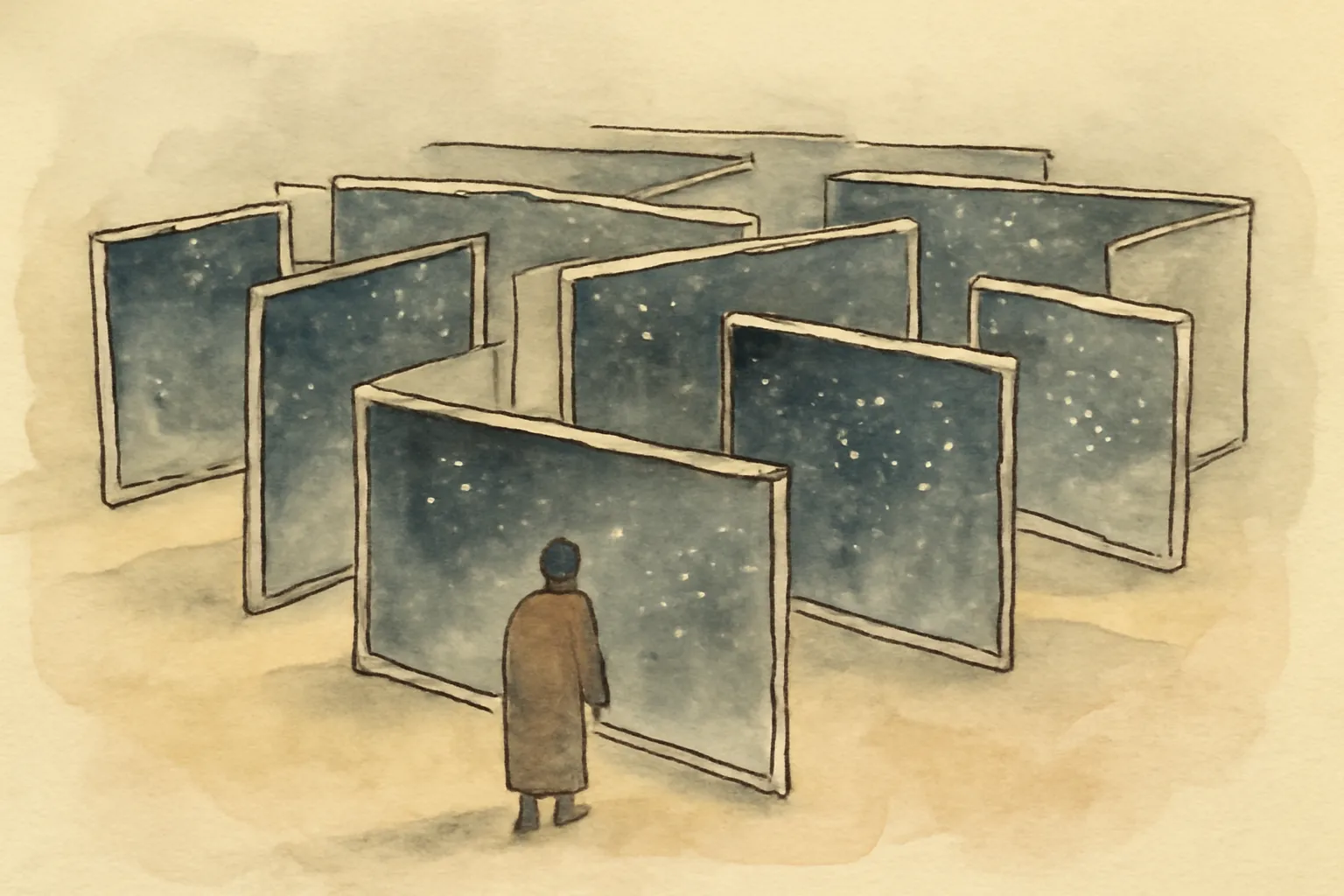
Blackmore foregrounds the 'hard problem'—why and how subjective experience arises from physical processes in the brain. She contrasts this with the 'easy problems' (like perception and memory), arguing that explaining subjective, first-person experience remains a profound challenge. The book surveys philosophical positions, from dualism to eliminative materialism, and encourages readers to grapple with the possibility that consciousness might not be what it seems.
A central theme is that the self—our sense of being a unified, persistent 'I'—may be a constructed illusion. Drawing on neuroscience and psychology, Blackmore discusses how the brain stitches together disparate processes to create the experience of a continuous self. She explores theories like the 'self-model' and the idea that introspection itself can be misleading, inviting readers to question their intuitions about personal identity.