1.The Hard Problem of Consciousness
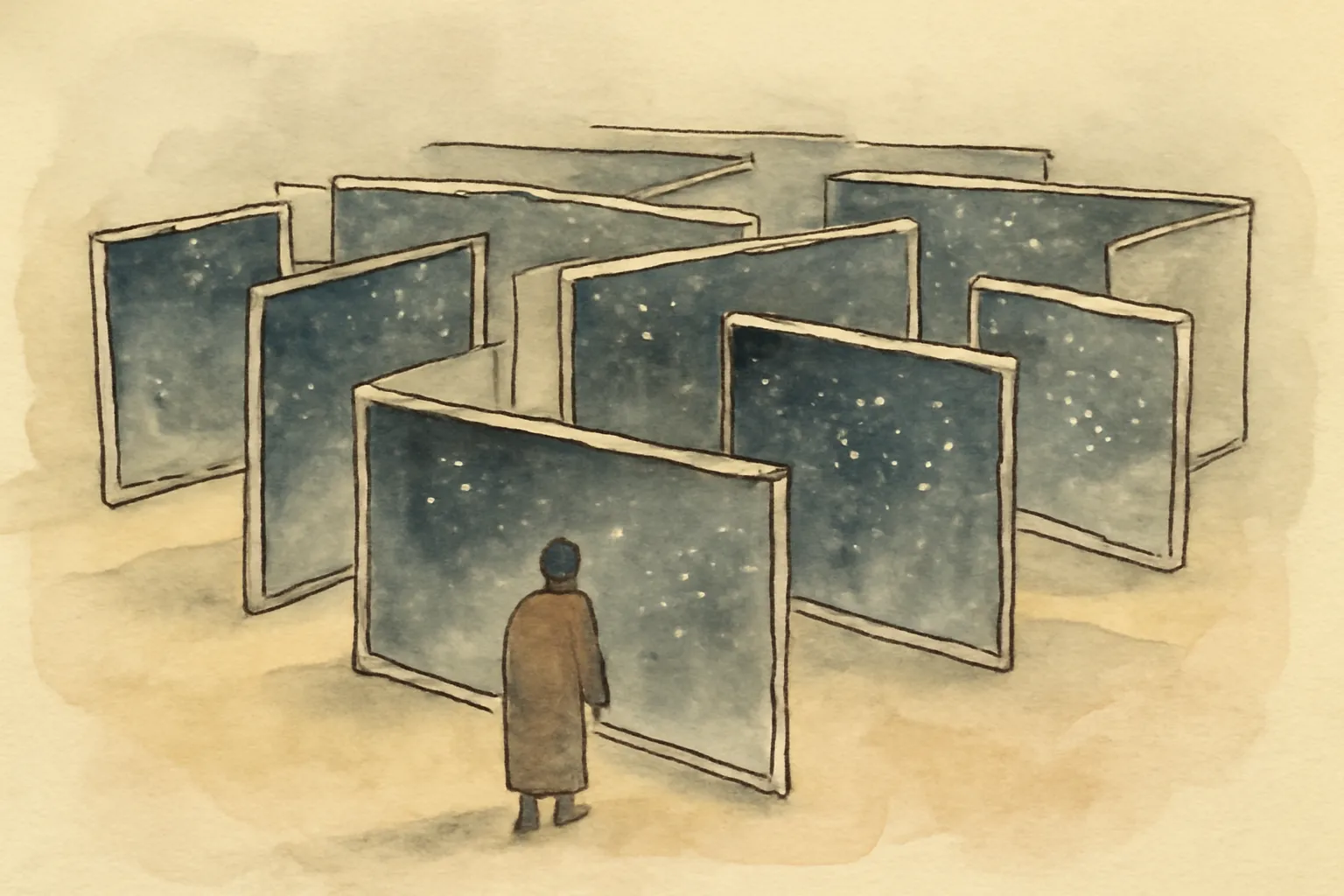
Blackmore foregrounds the 'hard problem'—why and how subjective experience arises from physical processes in the brain. She contrasts this with the 'easy problems' (like perception and memory), arguing that explaining subjective, first-person experience remains a profound challenge. The book surveys philosophical positions, from dualism to eliminative materialism, and encourages readers to grapple with the possibility that consciousness might not be what it seems.
2.The Self as an Illusion
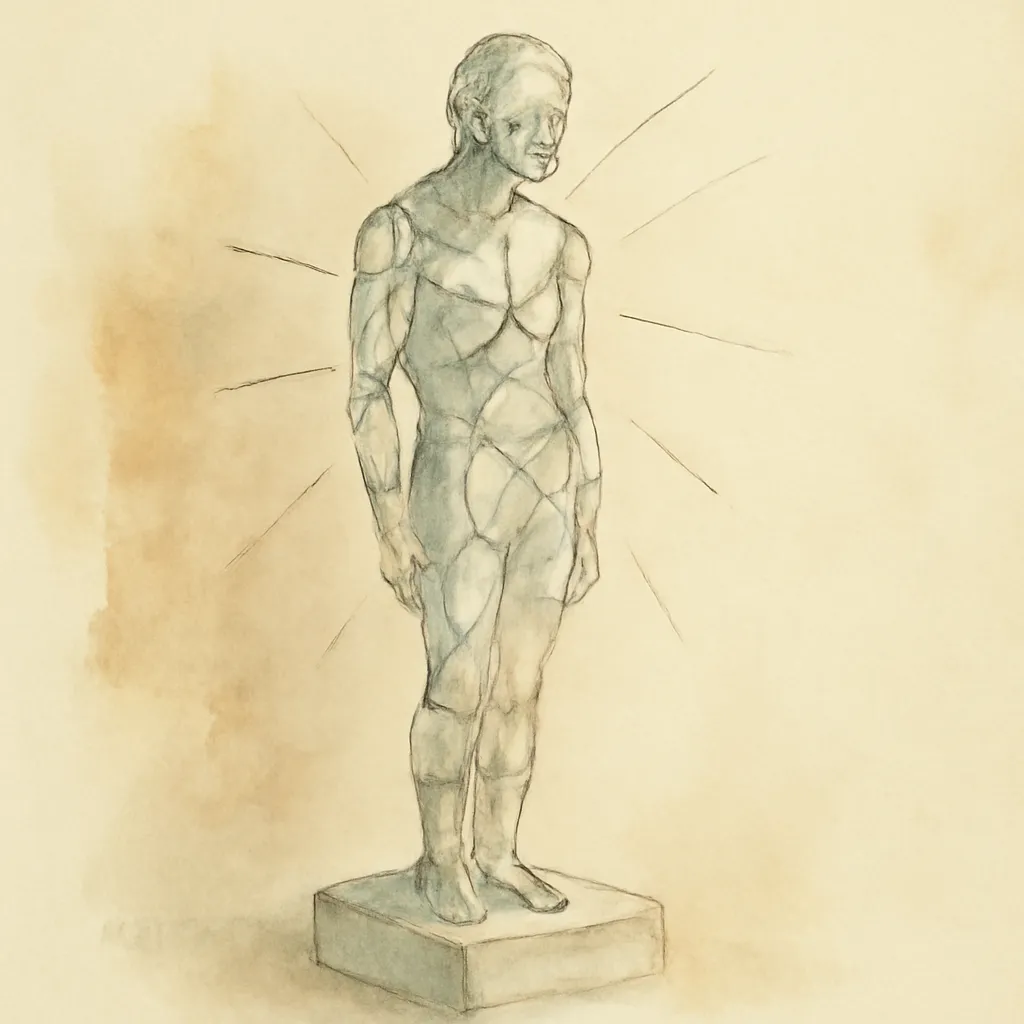
A central theme is that the self—our sense of being a unified, persistent 'I'—may be a constructed illusion. Drawing on neuroscience and psychology, Blackmore discusses how the brain stitches together disparate processes to create the experience of a continuous self. She explores theories like the 'self-model' and the idea that introspection itself can be misleading, inviting readers to question their intuitions about personal identity.
3.Neural Correlates of Consciousness
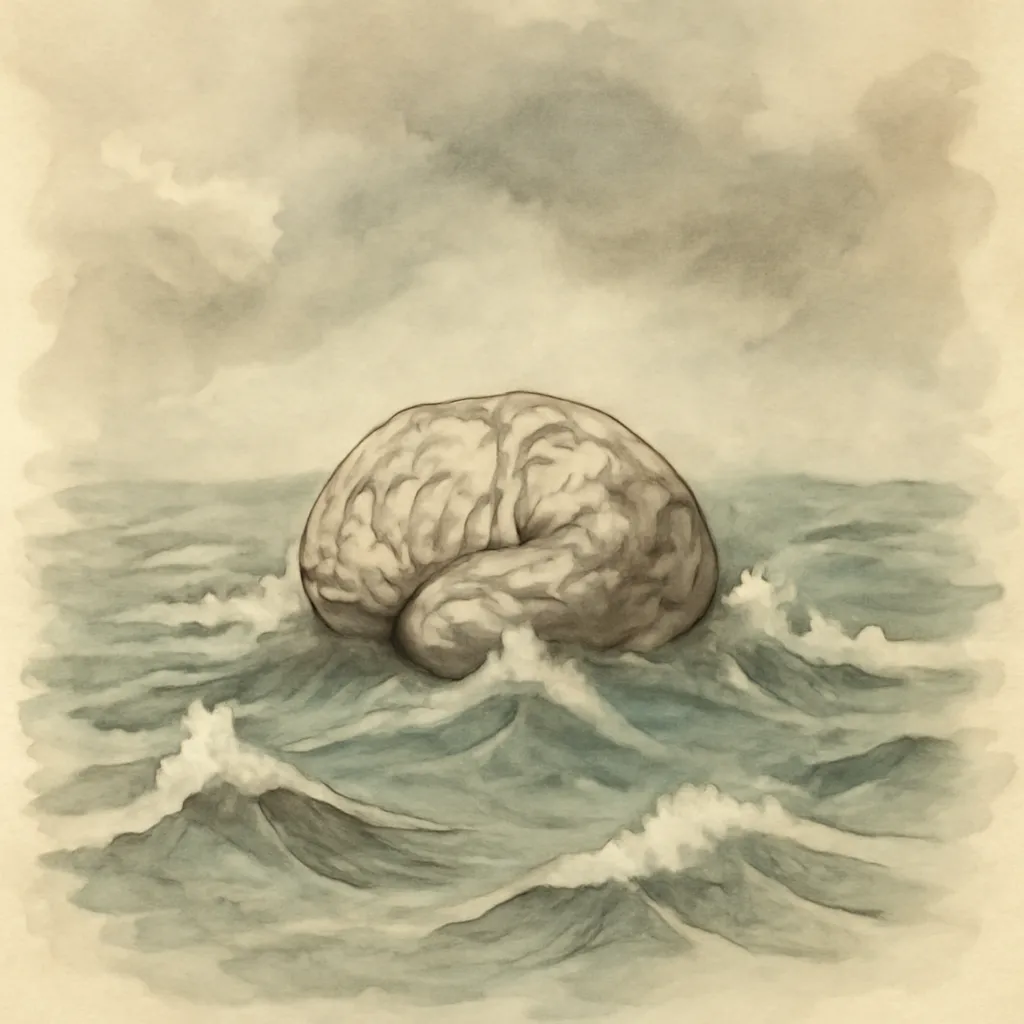
The book reviews cutting-edge research into the neural correlates of consciousness (NCCs)—the brain states and processes that reliably accompany conscious experience. Blackmore explains how technologies like fMRI and EEG have advanced our understanding, but also highlights the limitations: finding a correlation does not amount to an explanation. She discusses the search for a 'consciousness switch' in the brain and why this quest is so difficult.
4.Free Will and Agency
Blackmore critically examines the notion of free will in light of neuroscience and psychology. She presents evidence suggesting that our sense of agency may be post-hoc—constructed after the fact by the brain. Experiments like Libet’s challenge the idea that conscious intention precedes action, raising deep questions about responsibility and autonomy.
5.Altered States and Their Significance
The book explores altered states of consciousness—dreams, meditation, drugs, and near-death experiences—not as mere curiosities, but as windows into the workings of the mind. Blackmore argues that these states challenge our assumptions about the stability and unity of consciousness, and may offer clues to its underlying mechanisms. She is careful to balance open-mindedness with skepticism, especially regarding paranormal claims.
6.Theories and Models: From Global Workspace to Higher-Order Thought
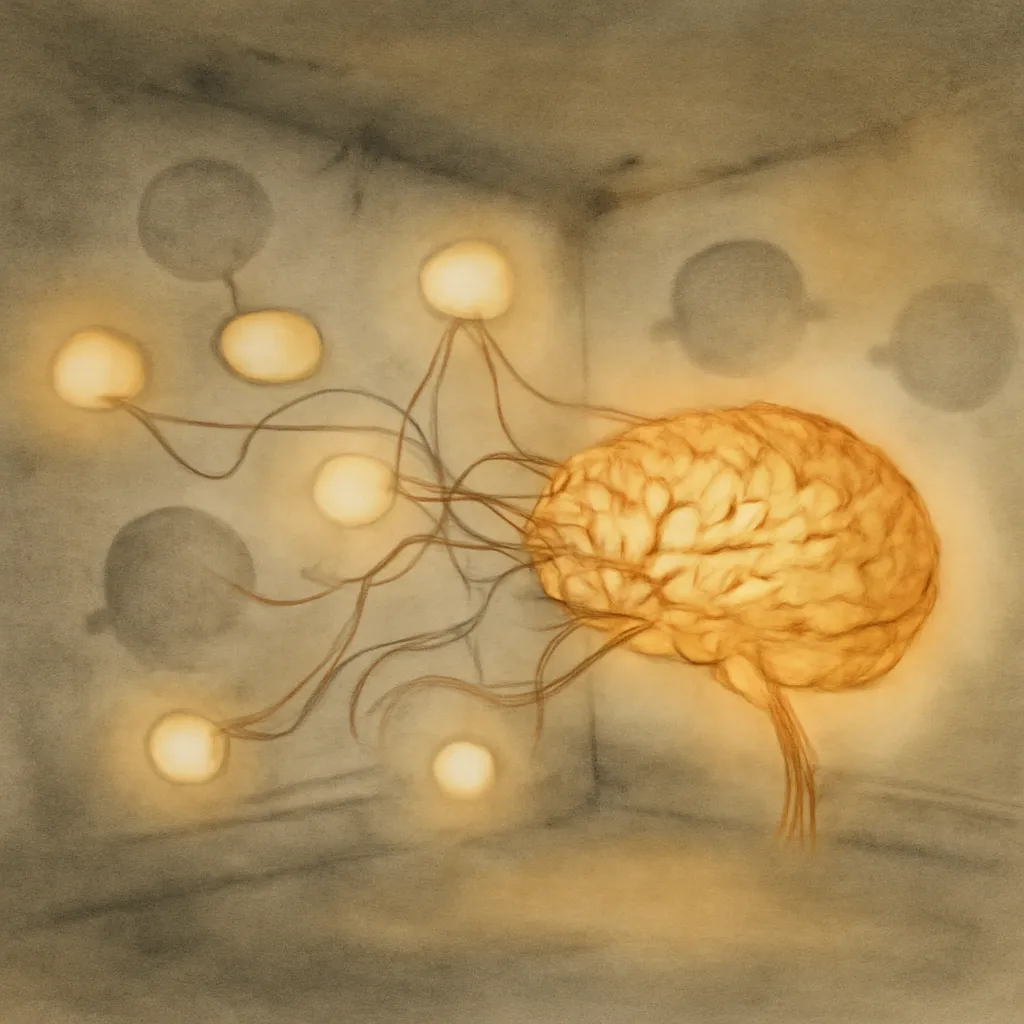
Blackmore surveys major scientific and philosophical theories of consciousness, such as the Global Workspace Theory, Integrated Information Theory, and Higher-Order Thought models. She presents their strengths and weaknesses, emphasizing that no single theory yet commands consensus. The book encourages readers to critically evaluate these models and appreciate the complexity of the field.