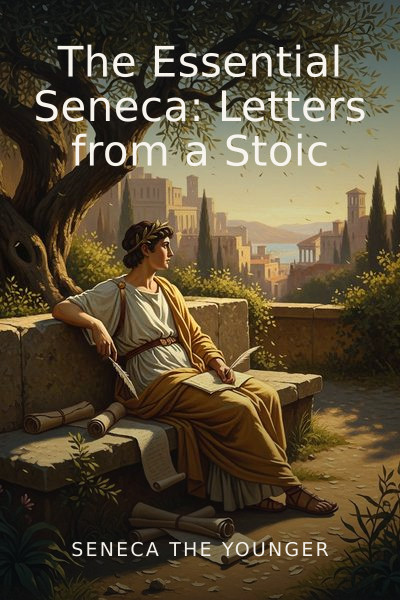
The Essential Seneca: Letters from a Stoic by Seneca the Younger — Summary, Key Ideas & Quotes
20230✦ 3-min Big ideas
Rate it
Lucius Annaeus Seneca (4 B.C-A.D. 65), the chief advisor to the emperor Nero, was the power behind the throne in Ancient Rome. He is most famous for his writings on Stoic ideology, in which philosophy is a practical form of self-improvement. Seneca's letters address the issues of life and death confronting every generation while upholding the ideals of Stoicism - valuing courage and friendship, avoiding corruption and self-indulgence, striving to achieve a good life while being immune to life's setbacks, and enjoying life without the fear of dying. Written with humanity in an intimate and conversational style, Seneca criticizes the cruel treatment of slaves and focuses on the Roman values of courage, rationality and self-control. Despite facing ill health, exile and danger, Seneca was able to retain his cosmopolitan attitude and sharp wit, all the while, demonstrating the dignity of the individual in this timeless compilation for future generations to follow. This edition selects the best letters with the modern translation by R.M. Gummere. It is read by Grover Gardner, who has narrated over 1,200 books. He was the Publishers Weekly "Audiobook Narrator of the Year" and is among AudioFile magazine's "Best Voices of the Century".
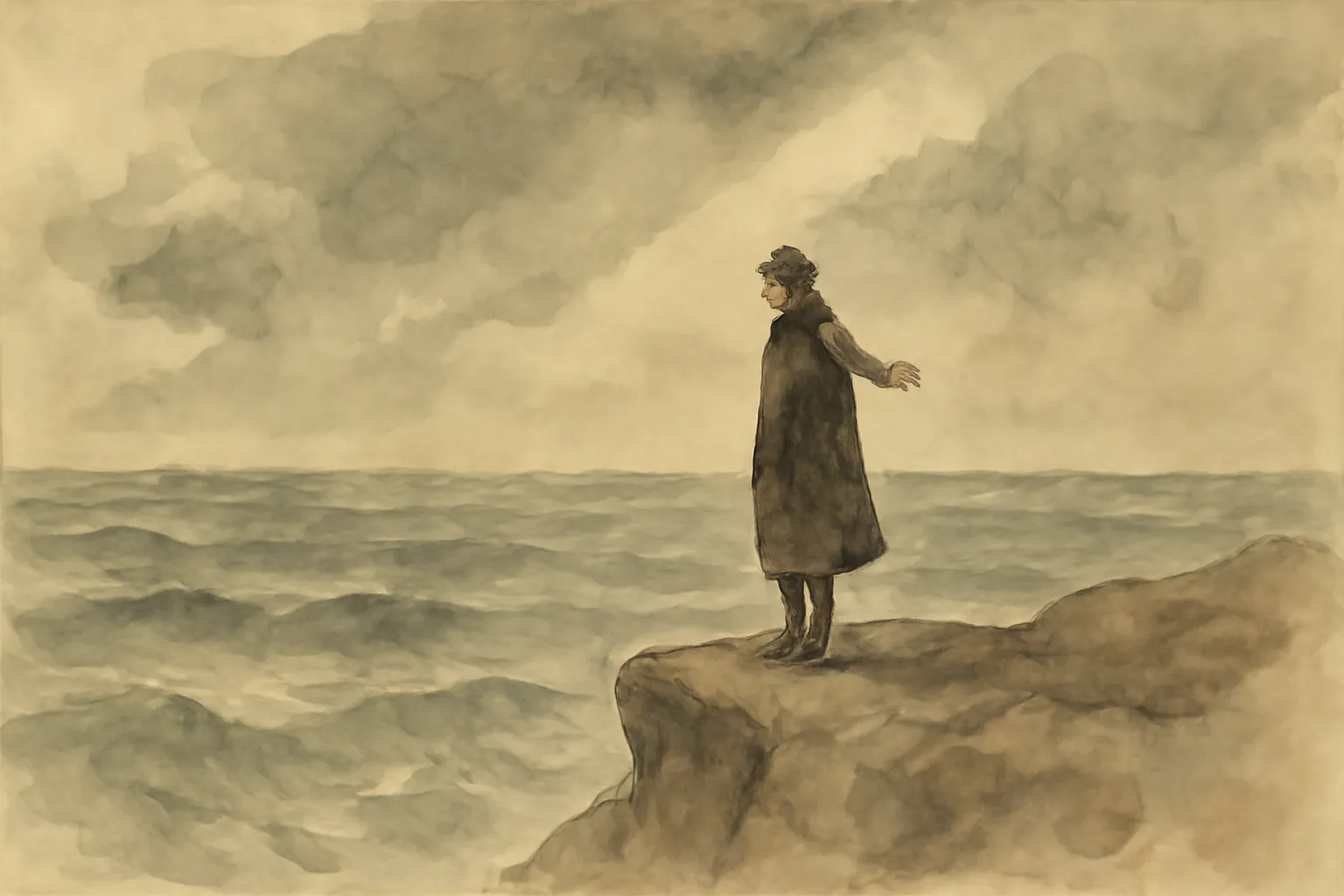
Seneca’s letters stress that philosophy is not just abstract theory but a practical discipline for everyday life. He urges his friend Lucilius—and by extension, the reader—to apply Stoic principles in daily actions, using reason to govern emotions and choices. For Seneca, wisdom is measured not by what we know, but by how we live. This approach makes his letters feel personal and actionable, encouraging readers to reflect, journal, and strive for self-improvement in tangible ways.
A central Stoic tenet in Seneca’s writing is the distinction between what we can control (our thoughts, actions, character) and what we cannot (external events, other people’s opinions). Seneca counsels detachment from outcomes and advises focusing energy on internal virtues. By accepting fate and letting go of anxiety about what lies beyond our power, we gain resilience and equanimity, even amid hardship or loss.
“We suffer more often in imagination than in reality.”
“It is not that we have a short time to live, but that we waste a lot of it.”
“He who is brave is free.”
“Begin at once to live, and count each separate day as a separate life.”
“As is a tale, so is life: not how long it is, but how good it is, is what matters.”