Ethics · Conduct of life, early works to 1800 · Stoics
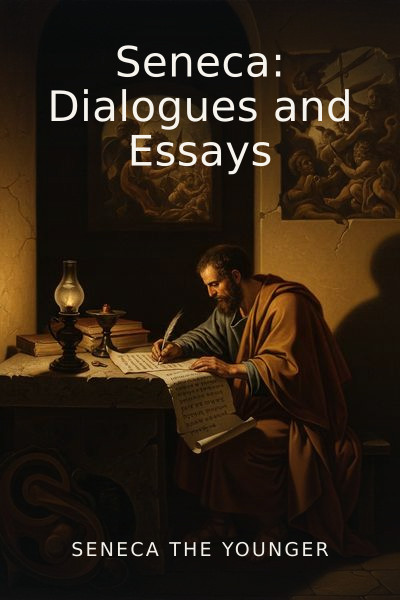
Seneca: Dialogues and Essays by Seneca the Younger — Summary, Key Ideas & Quotes
1920320 pages✦ 3-min Big ideas★ 4.0 (1)
Rate it
Plays and translators: Octavia, Kelly Cherry * Hercules Oetaeus, Stephen Sandy * Oedipus, Rachel Hadas * The Phoenician Women, David Slavitt * Hercules Furens, Dana Gioia. Are there no limits to human cruelty? Is there any divine justice? Do the gods even matter if they do not occupy themselves with rewarding virtue and punishing wickedness? Seneca's plays might be dismissed as bombastic and extravagant answers to such questions—if so much of human history were not "Senecan" in its absurdity, melodrama, and terror. Here is an honest artist confronting the irrationality and cruelty of his world—the Rome of Caligula, Claudius, and Nero—and his art reflects the stress of the encounter. The surprise, perhaps, is that Seneca's world is so like our own.
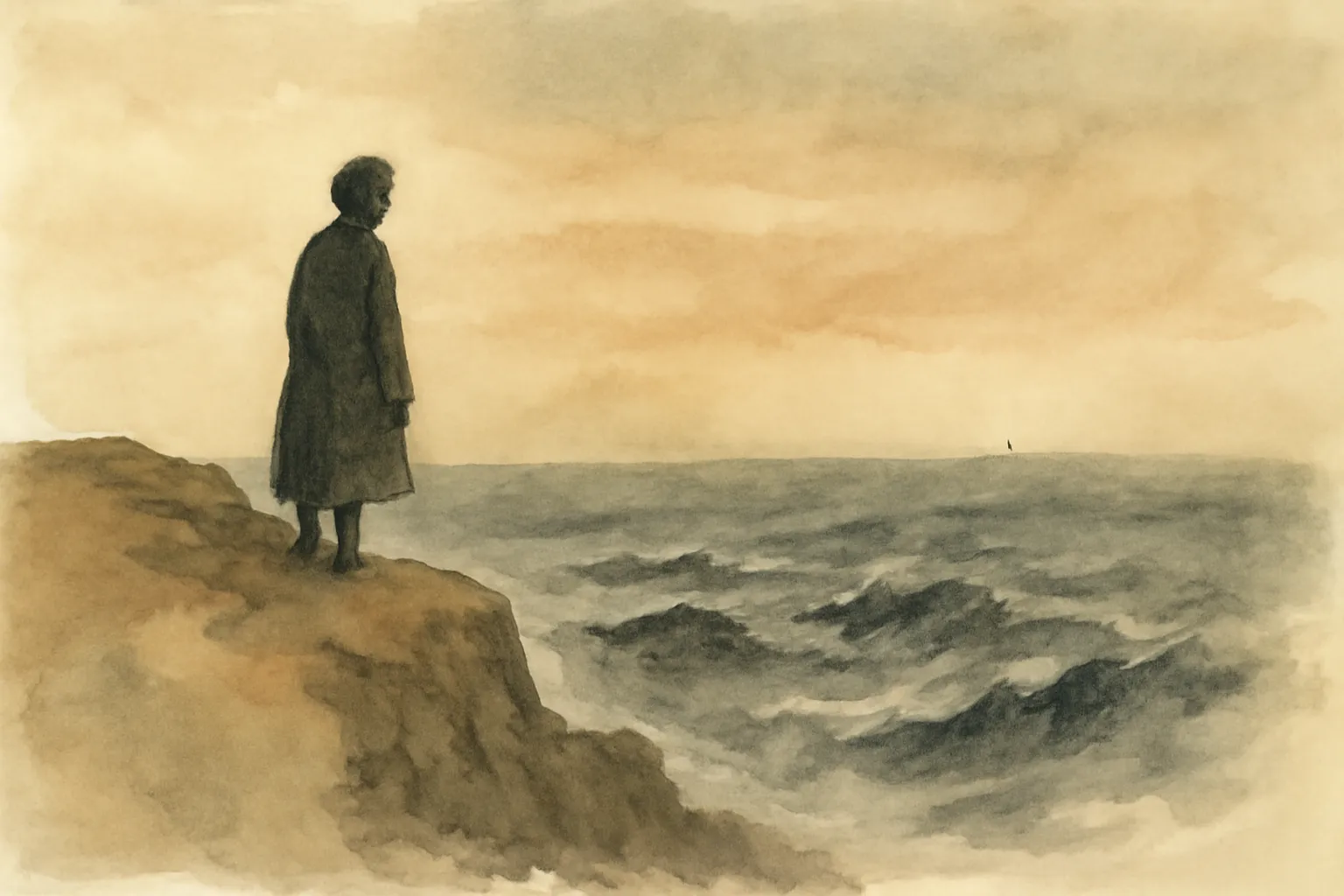
Seneca argues that reason is our highest faculty, capable of taming destructive emotions like anger, grief, and fear. In essays such as 'On Anger,' he dissects the roots of passion and insists that self-mastery is both possible and necessary for a good life. For Seneca, unchecked emotion leads to personal misery and social chaos, while cultivating rational detachment allows for resilience and ethical action.
Throughout his dialogues, Seneca champions the Stoic belief that virtue—living in accordance with reason and nature—is the only true good. External circumstances, wealth, and status are indifferent; what matters is the character with which we meet fortune’s blows. This radical focus on inner excellence challenges readers to reconsider what is genuinely valuable in life.
“We suffer more often in imagination than in reality.”
“It is not that we have a short time to live, but that we waste a lot of it.”
“No man was ever wise by chance.”