Adventure · Fiction
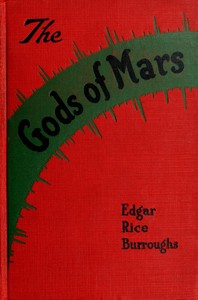
The gods of Mars by Edgar Rice Burroughs — Summary, Key Ideas & Full Text
274 pages23 chapters5h 30m read3h 54m speed read✦ 10-min Big ideas★ 4.2 (10)Free · no account
Rate it
A daring adventure on Mars reveals the eternal struggle between love, duty, and the fight against tyranny
In 'The Gods of Mars', Edgar Rice Burroughs continues the epic saga of John Carter, a man transported to the dying world of Mars, known as Barsoom. This thrilling sequel explores themes of love, honor, and the relentless pursuit of freedom as Carter embarks on a quest to rescue his beloved Dejah Thoris from the clutches of dark forces. Readers will be drawn into a vivid world filled with strange creatures, fierce battles, and the complex politics of Martian society. Burroughs masterfully weaves action and romance into a narrative that examines the nature of heroism and the sacrifices made in the name of love. Prepare to be captivated by a tale that transcends time and space, inviting you to explore the depths of courage and the heights of passion in a world unlike any other.
Edgar Rice Burroughs' 'The Gods of Mars' is a captivating tale that intertwines adventure, romance, and philosophical exploration. Through John Carter's journey, readers are invited to reflect on the nature of love, the complexities of society, and the struggle for freedom against tyranny. The novel serves as a reminder that the pursuit of knowledge and the bonds of friendship can empower individuals to confront their destinies. Ultimately, Burroughs crafts a narrative that resonates with the timeless themes of sacrifice and heroism, encouraging readers to consider their own capacity for courage and resilience in the face of adversity. As we navigate our own challenges, the lessons from Carter's adventures remain relevant, urging us to fight for love, justice, and the greater good.
“Come,” cried Tars Tarkas, “we must make for the cliffs. There lies our only hope of even temporary escape; there we may find a cave or a narrow ledge which two may defend for ever against this motley, unarmed horde.”
“Dog of a blasphemer! Think you that Phaidor, daughter of Matai Shang, supplicates? She commands.”
“You shall pay the awful penalty for your blasphemy in this secret cell. Here you shall lie alone and in darkness with the carcass of your accomplice festering in its rottenness by your side, until crazed by loneliness and hunger you feed upon the crawling maggots that were once a man.”
Edgar Rice Burroughs has 9 works free to read on Lumina, including A Princess of Mars, Out of Time's Abyss, Tarzan of the Apes