1.The Eternal Quest for Love
At the heart of 'The Gods of Mars' is John Carter's unwavering love for Dejah Thoris, which propels him into a series of perilous adventures. Carter's longing to reunite with his wife is not merely a personal desire; it represents a deeper commitment to his ideals and responsibilities. His journey is fraught with danger, yet each challenge he faces is a testament to the lengths one will go to for love. Throughout the narrative, Carter's thoughts frequently return to Dejah, reminding the reader of the emotional stakes involved. Burroughs uses their relationship to drive the plot forward, as Carter's determination to rescue her ultimately leads him to confront formidable adversaries. This theme resonates with readers, illustrating that love is often the catalyst for bravery and heroism, compelling individuals to confront insurmountable odds, and serves as a reminder that the pursuit of love can ignite a fire of resilience within the human spirit.
2.The Setting: A Dying Planet
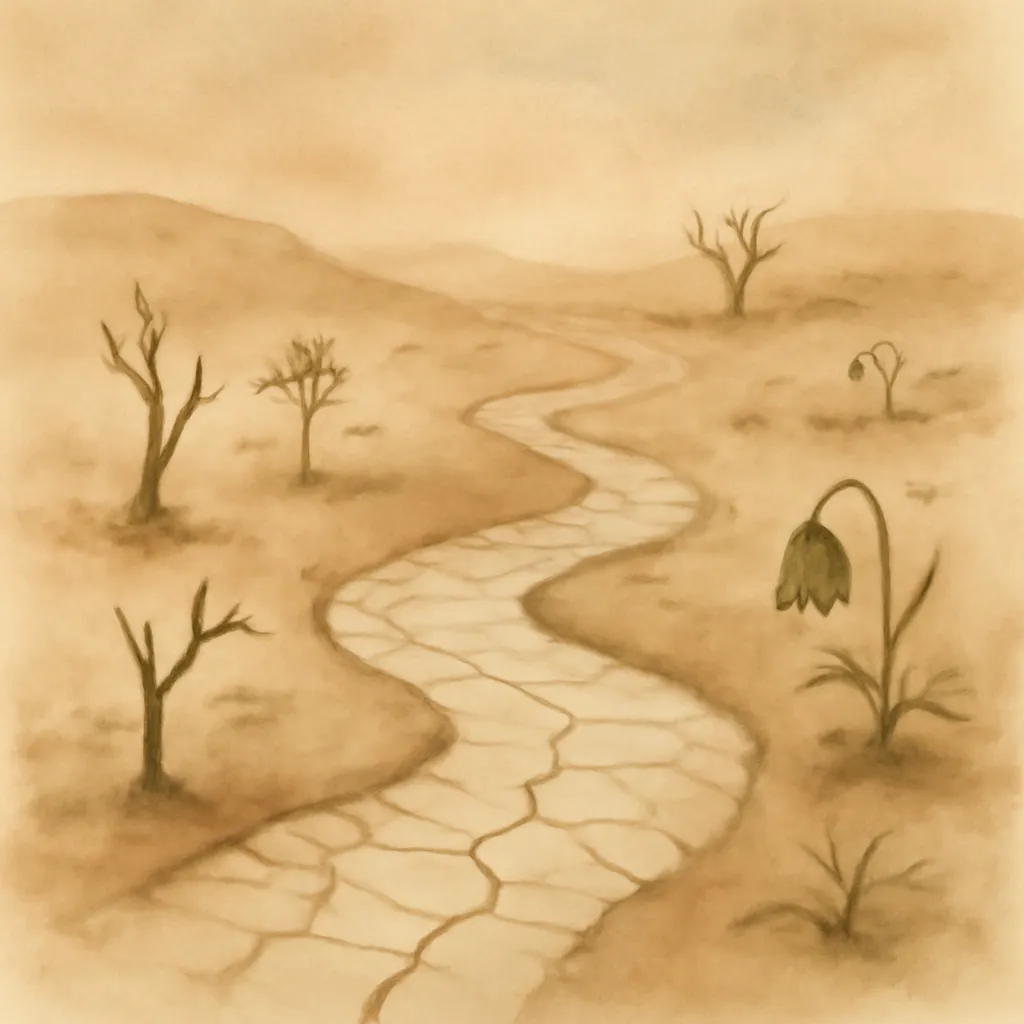
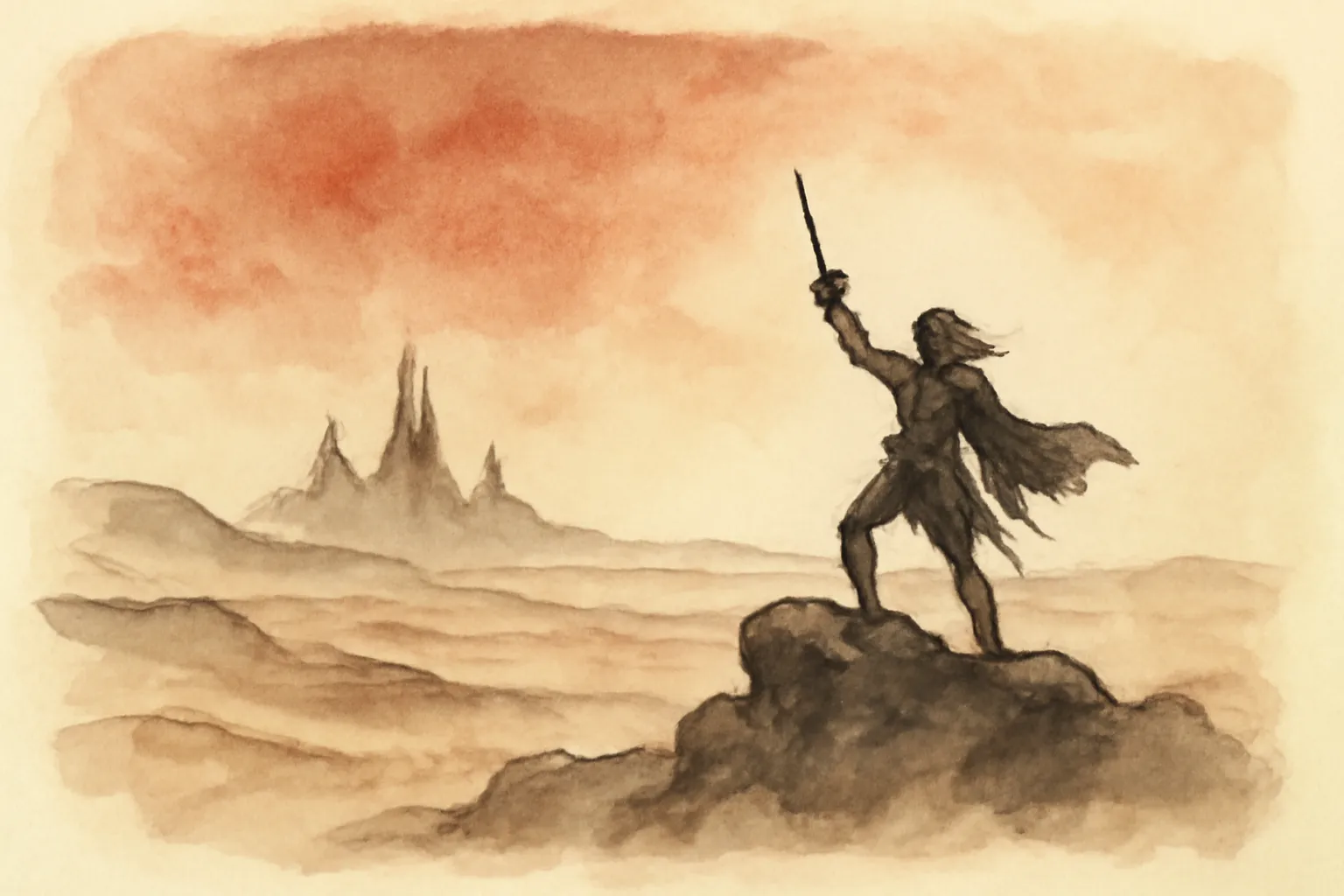
Mars, or Barsoom, is depicted as a once-thriving world now on the brink of collapse, plagued by environmental decay and societal strife. From the outset, Burroughs immerses readers in vivid descriptions of the planet's landscapes, which serve to reflect the inner turmoil of its inhabitants. The majestic cities and breathtaking vistas starkly contrast with the suffering of Martian people, who are grappling with the consequences of their own hubris. The descriptions of the failing atmosphere and the ensuing desperation create a palpable tension that drives the narrative. The decline of Barsoom serves as a metaphor for the struggles faced by the characters, emphasizing that the fight for survival is not only physical but also moral and spiritual. Burroughs uses the environmental degradation as an essential backdrop for Carter's quest, creating a world that is both beautiful and tragic. This rich setting invites readers to consider the impact of human actions on the planet and reflects the timeless theme of nature's fragility.
3.The Complexities of Martian Society
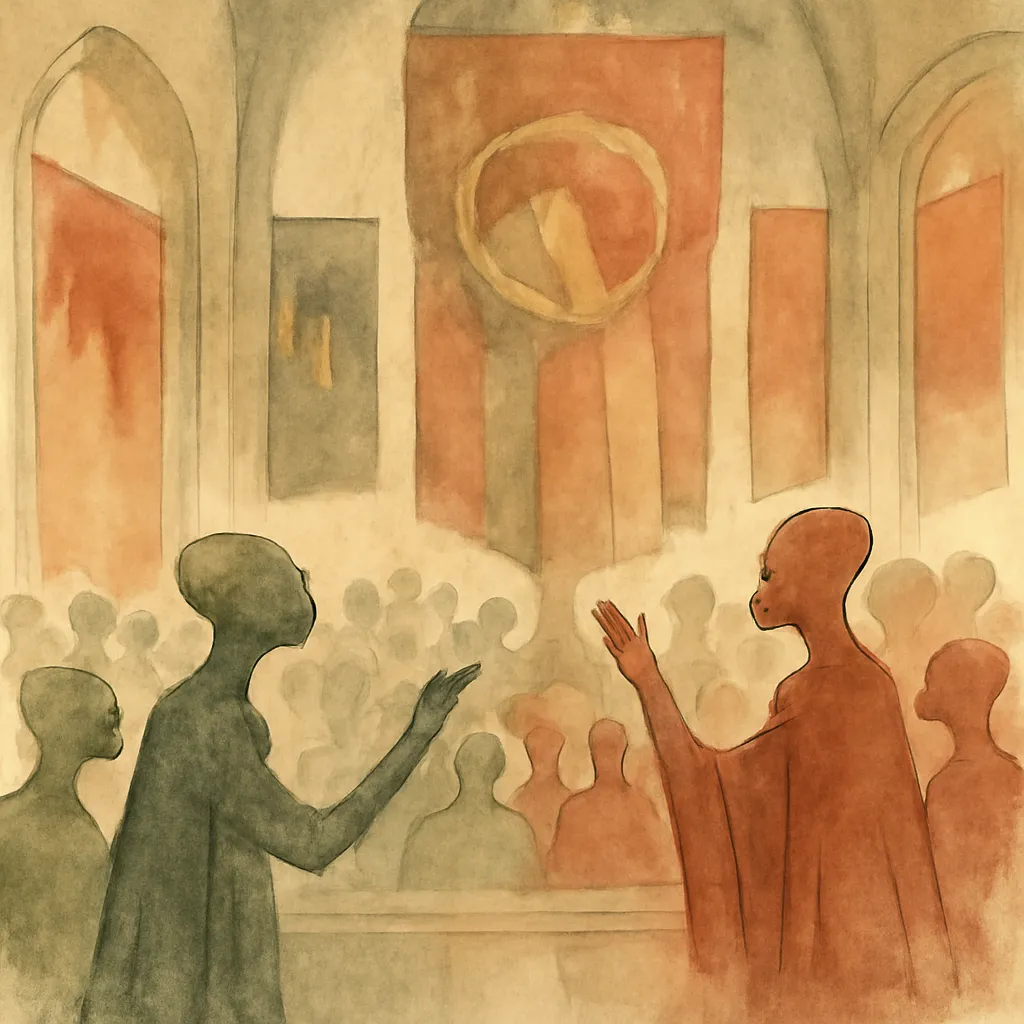
Burroughs intricately details the various factions within Martian society, highlighting the conflicts between different races and classes. The green Martians, red Martians, and therns each represent distinct cultural identities, complete with their own customs and struggles. The interactions between these groups reveal a society steeped in tradition yet fraught with tension. For instance, the green Martians, known for their fierce warrior culture, often clash with the more civilized red Martians, who value diplomacy and honor. Carter, as an outsider, navigates these complexities, often serving as a bridge between competing factions. His experiences shed light on the themes of loyalty and betrayal, as he must choose whom to trust while remaining true to his ideals. This exploration of societal dynamics adds depth to the narrative, inviting readers to consider the intricacies of power and allegiance. Burroughs challenges the notion of a monolithic Martian identity, instead presenting a diverse and multifaceted society that reflects the complexities of human civilization.
4.The Nature of Heroism
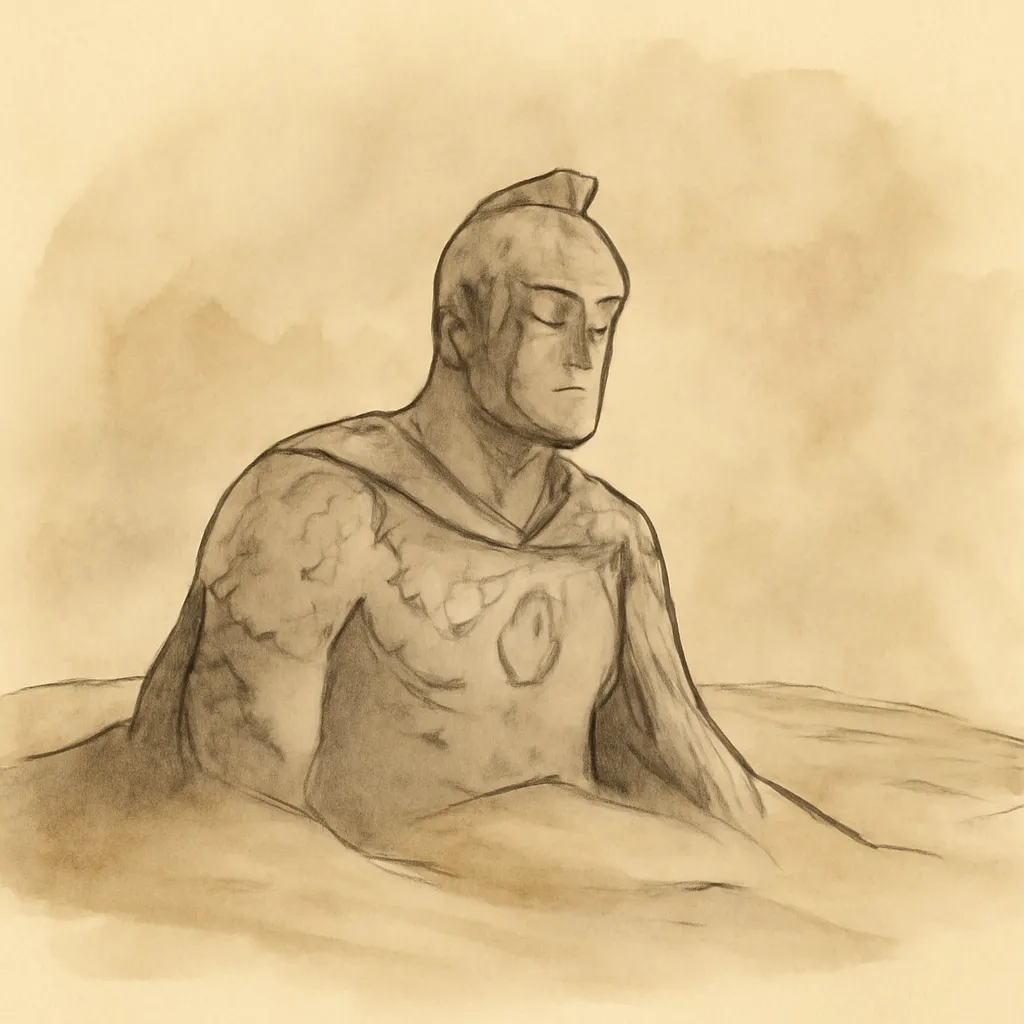
Carter embodies the archetype of the heroic figure, but Burroughs complicates this notion by presenting a hero who is deeply flawed and human. His courage is not born from invincibility; rather, it is his willingness to confront fear and uncertainty that defines his heroism. Throughout the novel, Carter faces numerous setbacks that test his resolve. He struggles with self-doubt and the burden of responsibility, making him a relatable character. Burroughs emphasizes that heroism is not about being invulnerable but about rising to the occasion despite one's fears. Carter's determination to save Dejah and protect those he loves showcases the essence of true heroism, which often lies in sacrifice and perseverance. This nuanced portrayal invites readers to reflect on the idea that true courage often involves facing one's vulnerabilities rather than simply embodying physical strength. By presenting a hero who grows through his struggles, Burroughs allows readers to connect with Carter on a deeper emotional level.
5.The Role of Fate and Free Will
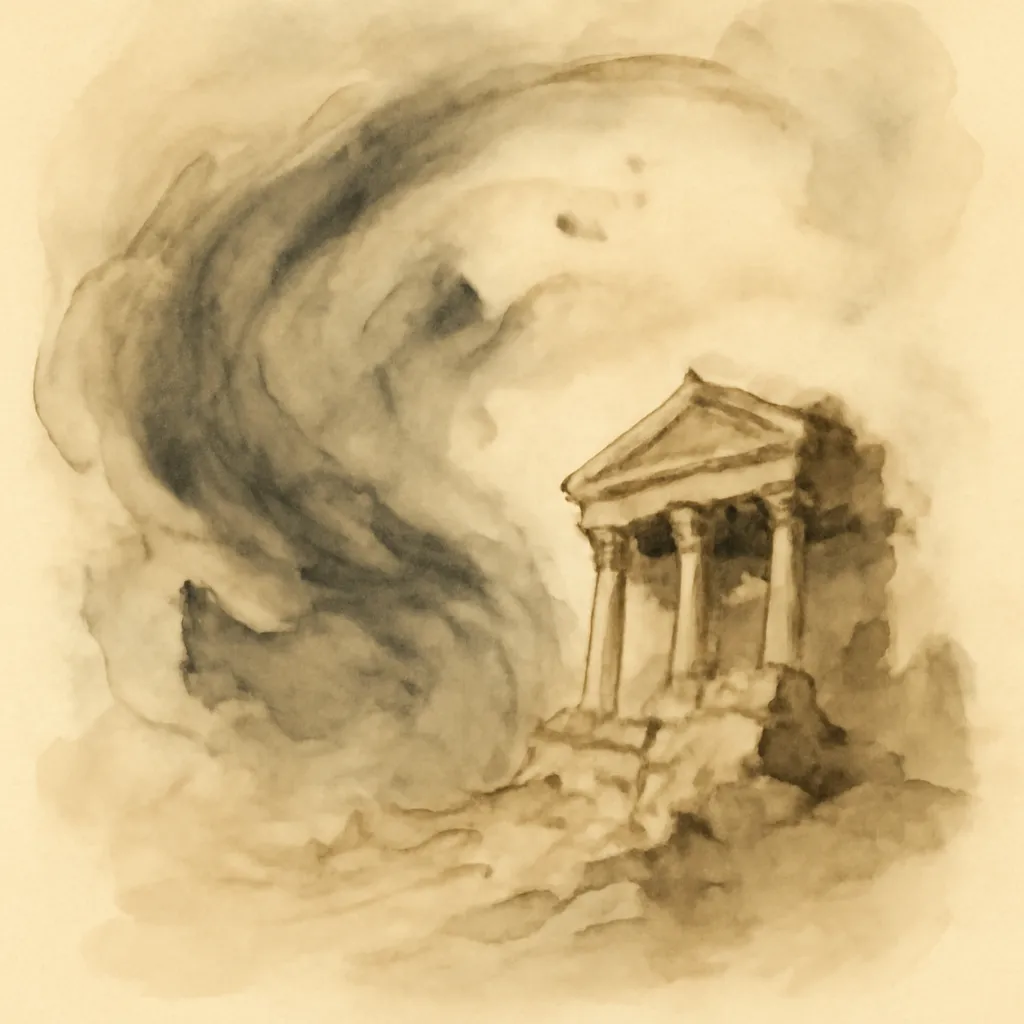
Throughout 'The Gods of Mars', the interplay between fate and free will is a recurring theme. Carter's arrival on Mars and subsequent adventures appear predestined, yet he exercises his agency in shaping the course of events. Burroughs suggests that while some elements of life may be beyond control, individuals have the power to make choices that influence their destinies. Carter's journey is characterized by pivotal moments where he must decide between competing values and desires, showcasing the complexity of human experience. This philosophical exploration raises questions about the nature of destiny: Are we mere puppets of fate, or do our decisions define our paths? Carter's determination to rescue Dejah reflects his belief in the importance of choice, reinforcing the idea that individuals carve their own destinies amidst the chaos of the universe. Burroughs encourages readers to consider the balance between fate and free will, inviting them to reflect on their own lives and the choices they make.
6.Friendship and Loyalty

Carter's relationships with characters like Tars Tarkas and Thuvia highlight the significance of friendship and loyalty in the face of adversity. Tars Tarkas, a green Martian warrior, becomes a steadfast ally, demonstrating that bonds can transcend racial and cultural divides. Their camaraderie is built on mutual respect, shared experiences, and the recognition of each other's strengths. In moments of crisis, their loyalty to one another becomes a source of strength, allowing them to overcome formidable challenges. Thuvia, a red Martian woman, also plays a crucial role in the narrative, showcasing the strength of female characters in a male-dominated society. Burroughs emphasizes that loyalty is not blind; it is earned through trust and shared goals. The friendships that develop in the face of danger illustrate the power of connection and solidarity, reminding readers that true strength often comes from the bonds we forge with others. The exploration of friendship in the narrative adds emotional depth, inviting readers to reflect on their own relationships and the impact of loyalty in their lives.
7.The Struggle Against Tyranny
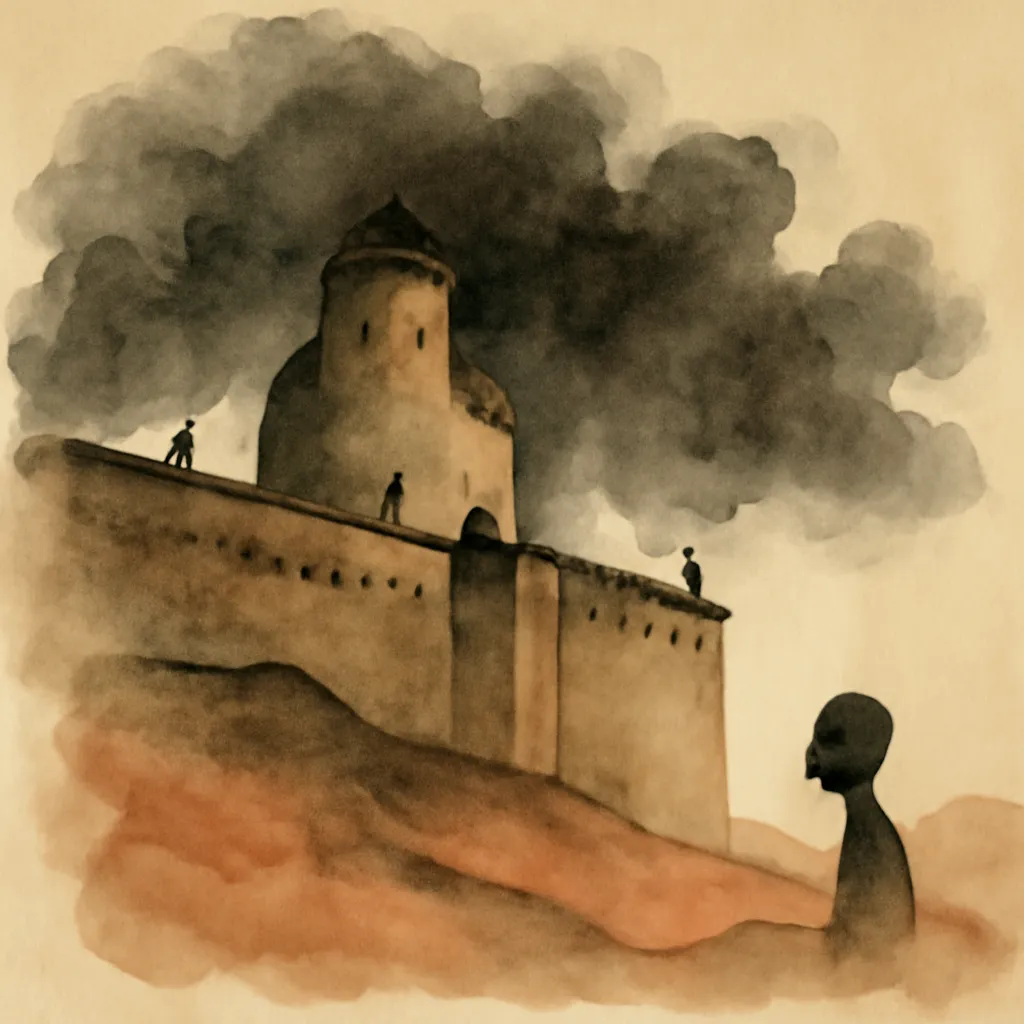
The novel presents a vivid portrayal of the fight against tyranny, embodied by the oppressive therns and their dark goddess, Issus. Burroughs depicts the therns as a malevolent force, exploiting fear to maintain control over the Martian populace. Their manipulation of religious beliefs serves to highlight the dangers of dogma and the ways in which power can be abused. Carter's rebellion against their tyranny symbolizes the universal struggle for freedom and justice. His actions inspire others to rise against their oppressors, igniting a spark of hope in a world shrouded in despair. This theme resonates with readers, reflecting the timeless battle against oppression and the quest for liberation. Burroughs crafts a narrative that serves as a reminder that the fight for justice requires courage and resilience, even in the face of overwhelming odds. The portrayal of tyranny in the novel invites readers to reflect on contemporary issues of power and control, urging them to consider their own roles in combating injustice.
8.The Power of Knowledge
Knowledge is portrayed as a powerful weapon against ignorance and oppression in 'The Gods of Mars'. The therns manipulate religious beliefs to control the masses, using fear and superstition to their advantage. Carter's quest for truth is not only a personal journey but also a broader commentary on the importance of enlightenment. Burroughs suggests that the pursuit of knowledge can empower individuals to challenge the status quo and seek justice. Carter's experiences reveal that understanding the world around us is crucial in combating tyranny and fostering change. The contrast between the ignorance of the therns and the awakening of the Martian people underscores the transformative power of knowledge. This emphasis on knowledge as a tool for liberation reinforces the novel's relevance to contemporary societal struggles and serves as a call to action for readers to seek truth and understanding.
9.The Intersection of Technology and Magic
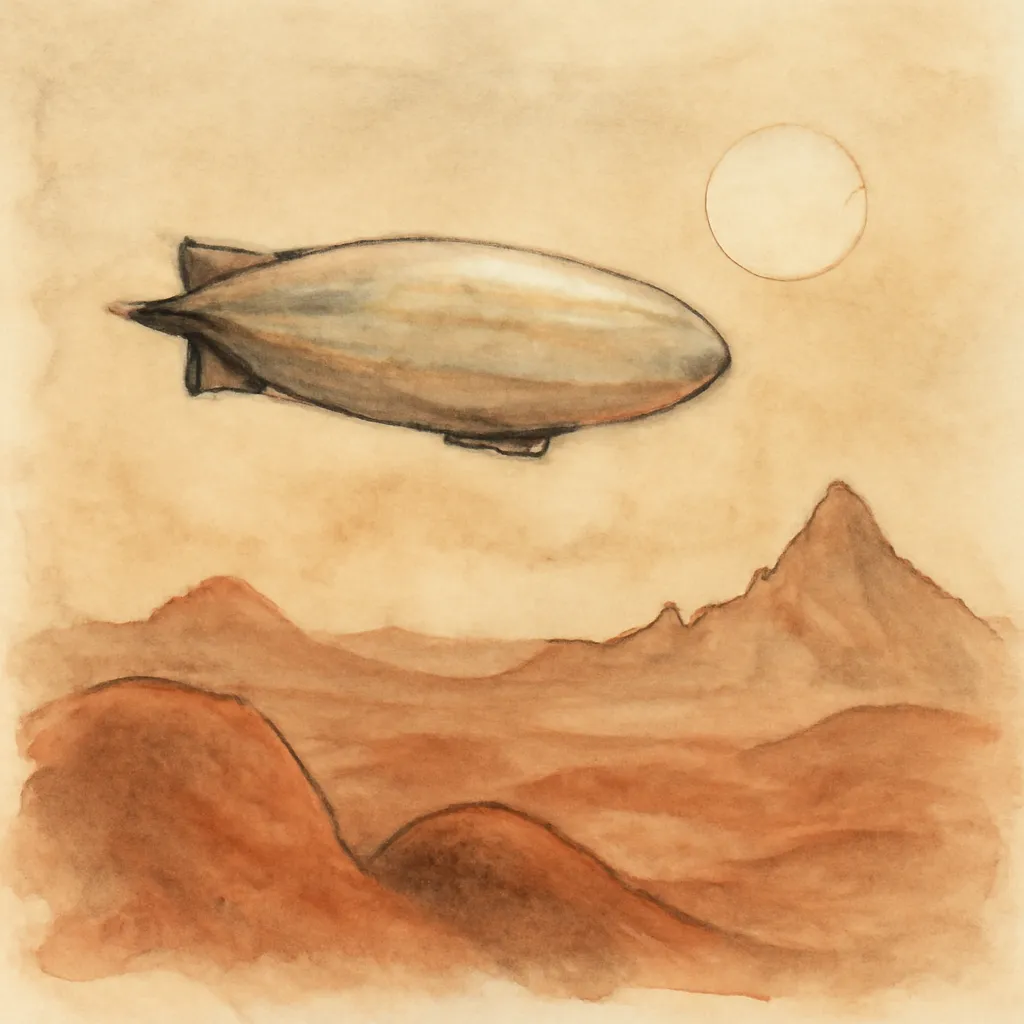
Burroughs blurs the lines between technology and magic, creating a fantastical world where advanced technology appears magical to its inhabitants. The airships and weaponry used by the Martians are marvels of engineering that defy earthly logic. This fusion of science fiction and fantasy enriches the narrative, inviting readers to suspend disbelief and immerse themselves in the wonders of Barsoom. The juxtaposition of technology with the mystical elements of Martian culture creates a unique atmosphere that enhances the adventure. Burroughs encourages readers to explore the potential of human ingenuity while also acknowledging the mysteries that remain beyond understanding. This interplay adds depth to the story, reinforcing the idea that the unknown can be both terrifying and exhilarating. By presenting a world where technology and magic coexist, Burroughs expands the boundaries of imagination, inviting readers to contemplate the limitless possibilities of the universe.
10.The Significance of Sacrifice
Sacrifice is a recurring motif in 'The Gods of Mars', as characters are often faced with choices that require them to give up something dear for the greater good. Carter's journey is marked by moments where he must weigh his own desires against the needs of others, illustrating the moral dilemmas inherent in leadership and heroism. Burroughs demonstrates that true heroism often involves selflessness and the willingness to endure hardship for the sake of others. Characters like Tars Tarkas and Thuvia exemplify this sacrifice, reinforcing the idea that love and loyalty can inspire individuals to make profound choices. The sacrifices made by these characters highlight the complexity of their motivations, prompting readers to consider what they value most. This exploration of sacrifice adds emotional weight to the narrative, inviting readers to reflect on their own lives and the sacrifices they may be called to make for those they love.