Adventure · Fiction · Short Reads
The Lost Continent by Edgar Rice Burroughs — Summary, Key Ideas & Full Text
125 pages9 chapters2h 31m read1h 47m speed read✦ 8-min Big ideas★ 3.5 (2)Free · no account
Rate it
Journey through a desolate landscape where civilization's remnants reveal profound truths about humanity in 'The Lost Continent' by Edgar Rice Burroughs
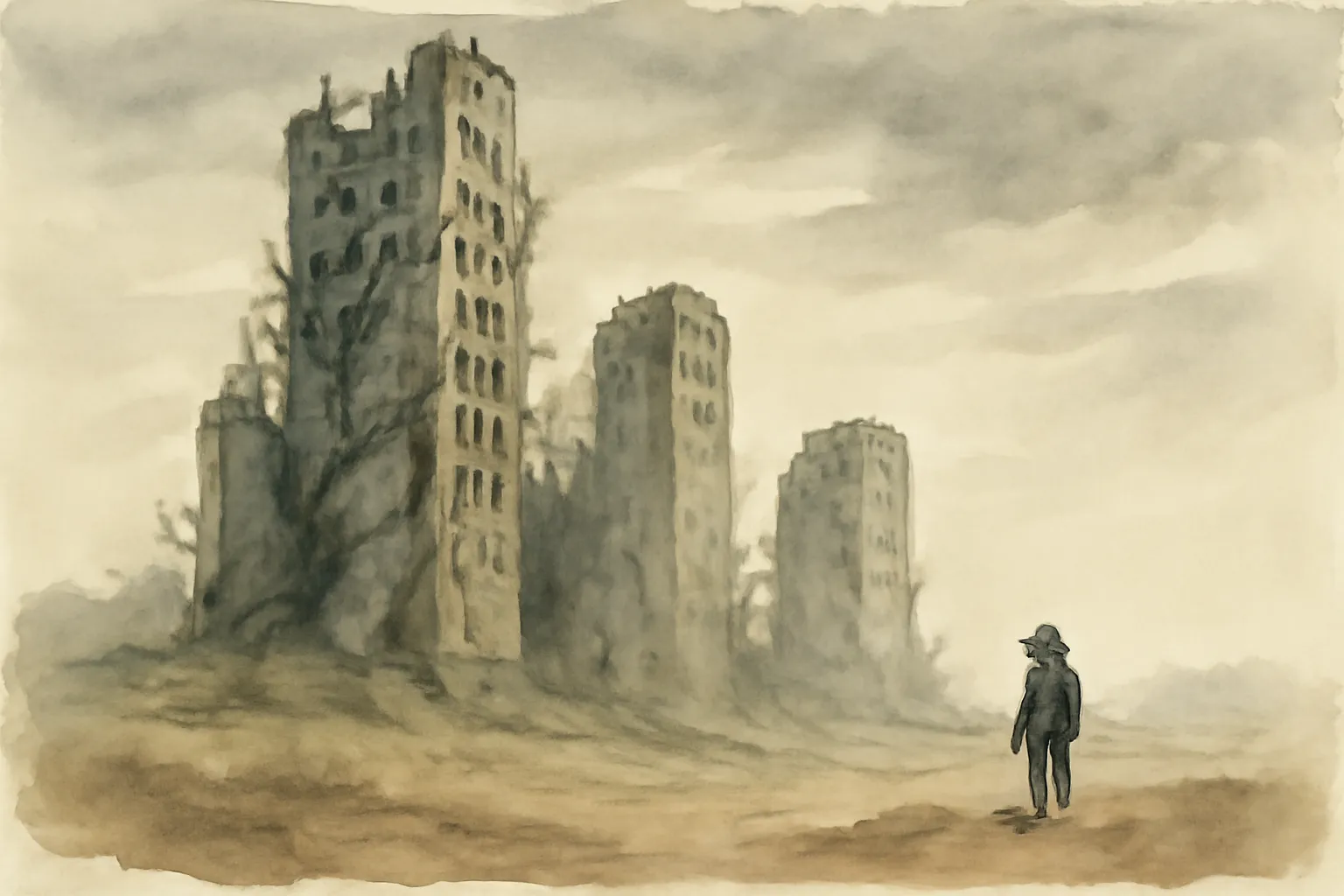
Edgar Rice Burroughs' 'The Lost Continent' transports readers into a hauntingly beautiful yet foreboding world, set in the year 2137, where the vestiges of a war-torn Europe lie dormant, waiting to be uncovered. Through the eyes of a group of explorers from the Pan-American Federation, the narrative unfolds against a backdrop of desolation, mystery, and wild beauty, inviting readers to delve into themes of survival, civilization, and the enduring human spirit. As the characters encounter both the enchanting and the terrifying aspects of this forgotten land, Burroughs artfully intertwines adventure with philosophical musings on humanity's past and future. This tale not only captivates with its thrilling escapades but also challenges us to reflect on the consequences of our actions and the importance of understanding history in shaping our identities and societies.
In 'The Lost Continent', Edgar Rice Burroughs deftly intertwines adventure with profound philosophical reflections on the human experience. As the explorers traverse through a post-apocalyptic landscape, they wrestle with themes of history, survival, power, and identity, prompting readers to engage in deeper considerations of their own lives. The narrative serves as a compelling reminder of the fragility of civilization and the enduring quest for knowledge and connection. Burroughs' exploration of the human spirit's resilience in the face of adversity resonates deeply, inviting readers to reflect on their responsibility toward preserving history and nurturing communal bonds. Ultimately, the tale emphasizes the importance of understanding our past as we navigate an uncertain future, making 'The Lost Continent' a timeless narrative rich in meaning and relevance.
“But where were the tugs and the lighters and the barges, the lightships and the buoys, and all those countless attributes which went to make up the myriad life of the ancient Thames?”
“I could not help but compare this once great water-way with the waters about our New York, or Rio, or San Diego, or Valparaiso.”
“I was about to congratulate him on his trophy when we were startled by a horrid, half-human, half-bestial scream a little ahead and to the right of us.”
Edgar Rice Burroughs has 9 works free to read on Lumina, including A Princess of Mars, Out of Time's Abyss, Tarzan of the Apes
All 9 books by Edgar Rice Burroughs →