1.The Allure of Lost History
From the very beginning, Burroughs captivates readers with the protagonist's fascination for a bygone Europe, a place steeped in history and mystery. The character's intense curiosity about the period following the Great War illustrates how history can be both a source of inspiration and a burden. It sparks a desire to uncover lost knowledge and understand what led to the downfall of a once-thriving civilization. This pursuit is not merely an intellectual endeavor; it is fundamentally human to seek connections with the past, as it shapes our identities. Burroughs suggests that understanding history is crucial for navigating the present, as it allows individuals and societies to learn from their mistakes and appreciate the complexities of human existence. The narrative encourages readers to ponder their own relationship with history: How does the past inform our present actions, and what lessons can we derive from it?
2.The Aftermath of War
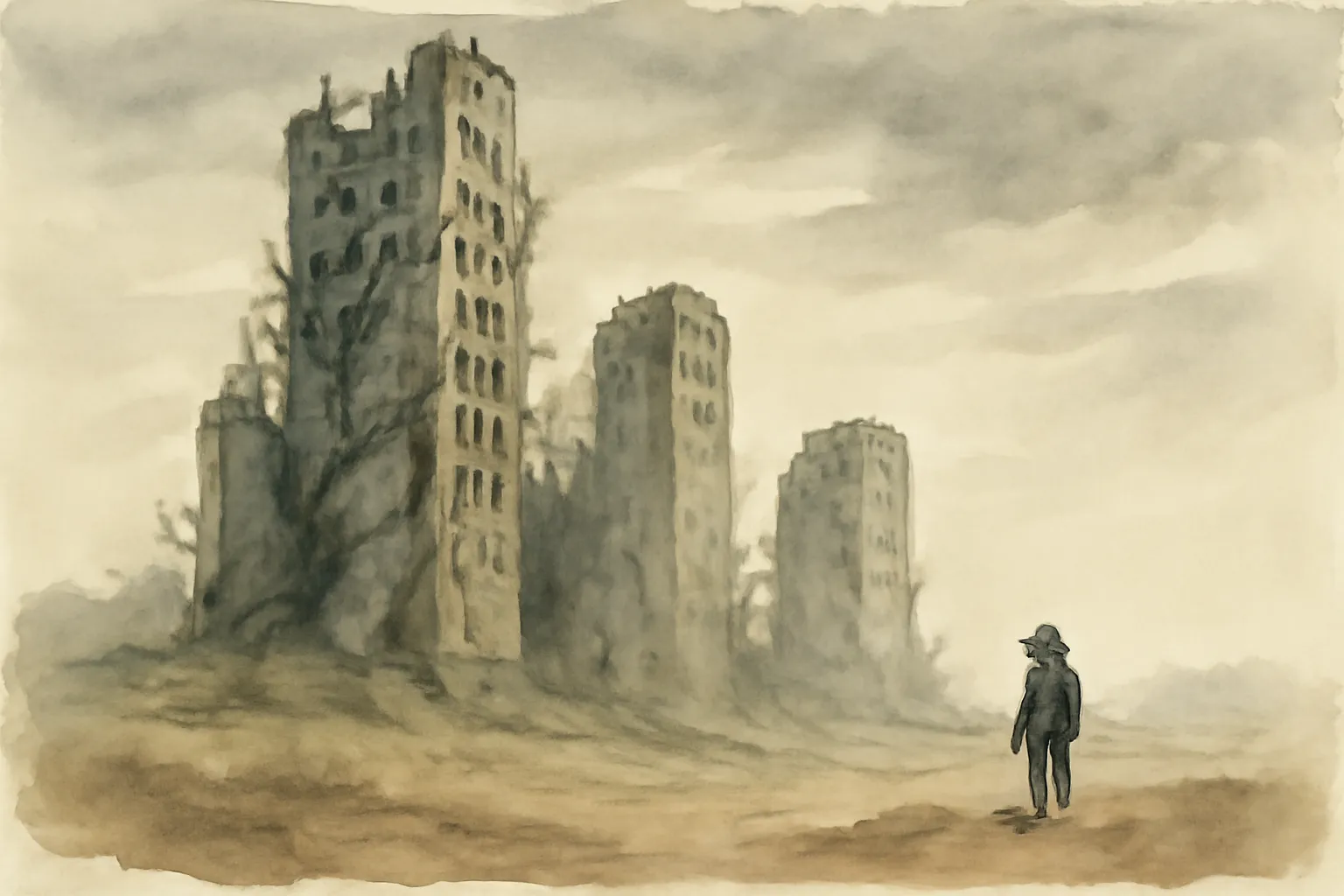
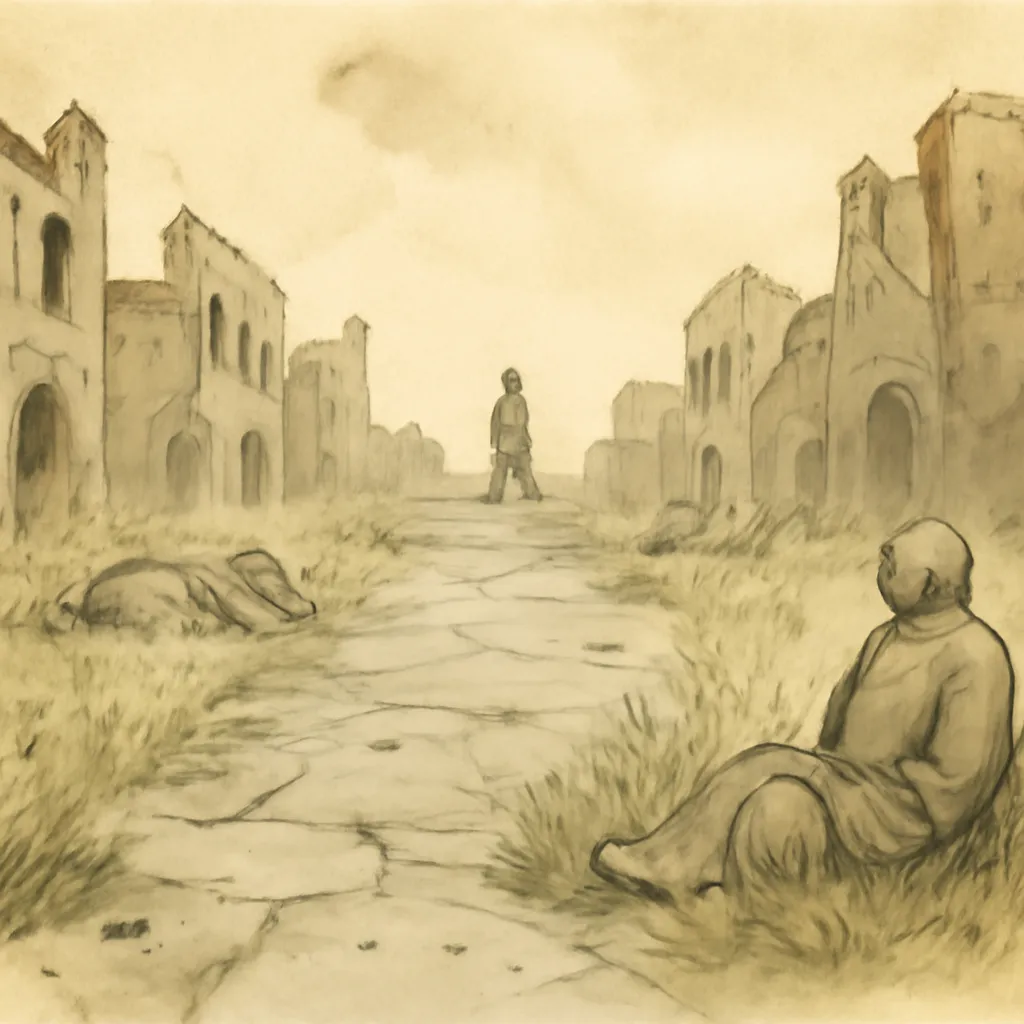
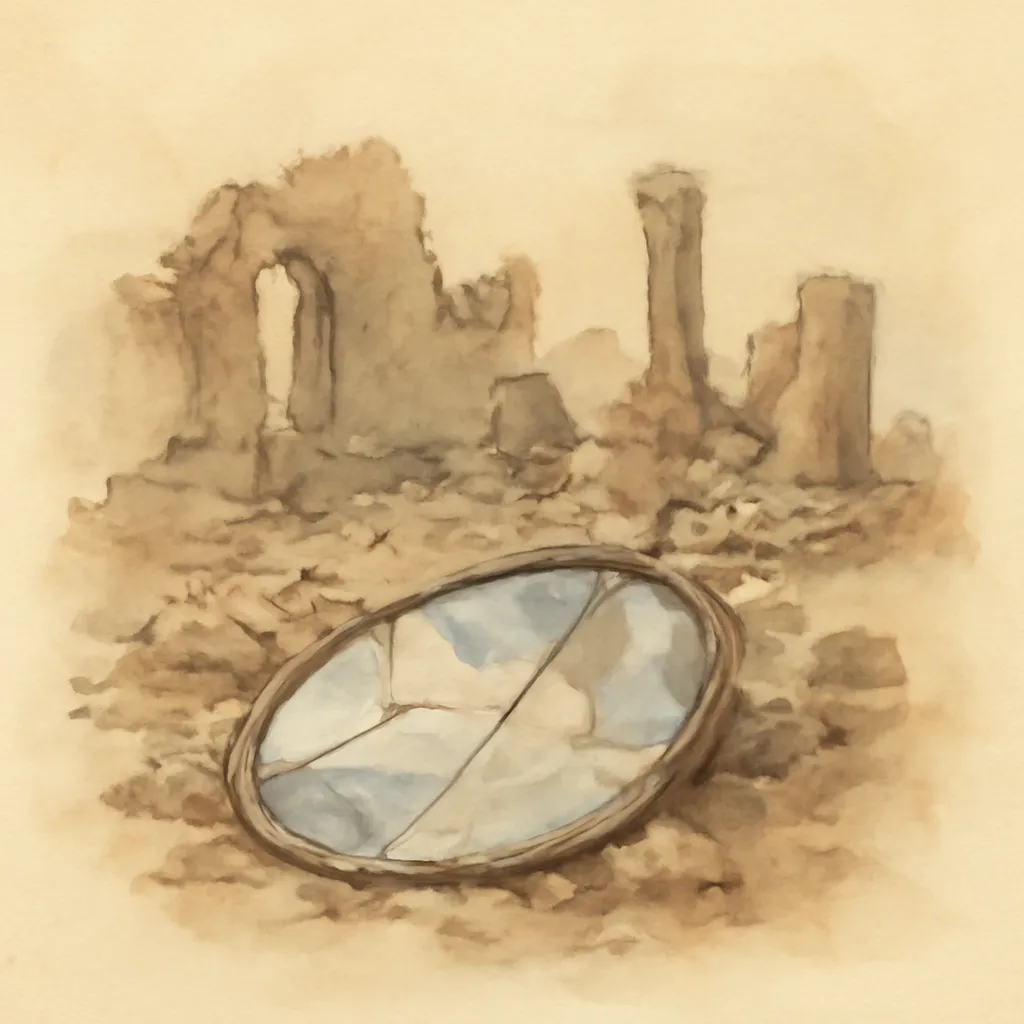
The stark contrast between the civilization that once flourished in Europe and its current state of decay serves as a testament to the devastating consequences of war. Burroughs paints a vivid picture of deserted streets, crumbling buildings, and overgrown landscapes, evoking a sense of loss and mourning for what once was. The protagonist's journey through these ruins highlights the physical and emotional scars left by conflict, emphasizing that war obliterates not just structures but the very fabric of human life and culture. This portrayal invites readers to reflect on contemporary conflicts and their repercussions, raising questions about the cost of warfare on society and the environment. Burroughs’ exploration of the remnants of civilization serves as a powerful reminder of humanity's impermanence and the need for peace to preserve our shared heritage.
3.The Instinct for Survival
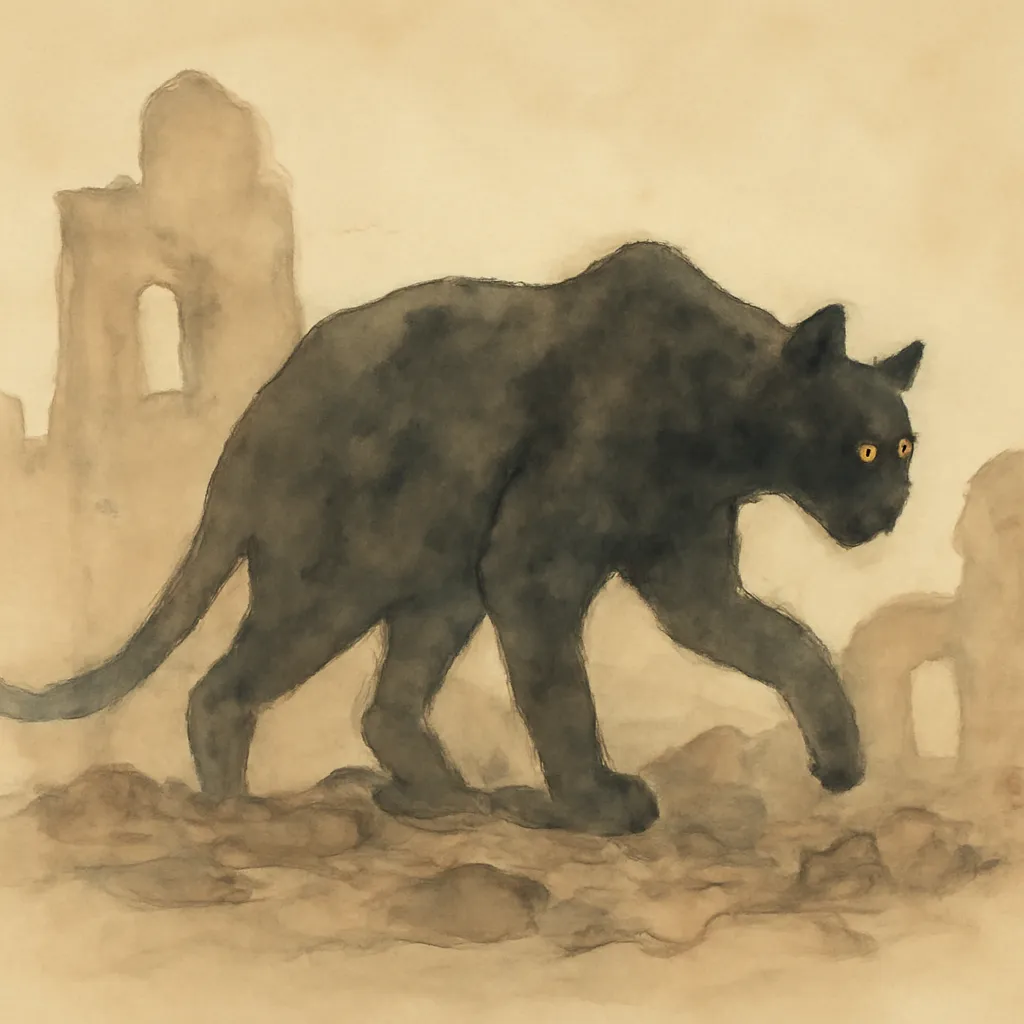
Survival becomes a central theme as the explorers navigate the treacherous remnants of a lost civilization. Burroughs expertly crafts moments of tension and excitement as the characters confront wild beasts and perilous conditions. The encounter with a colossal cat—an exaggerated embodiment of nature's ferocity—illustrates the raw power of the wilderness and the instinctual drive to survive. Each character must draw on their skills, instincts, and camaraderie to prevail against these threats. This focus on survival not only elevates the stakes of the narrative but also underscores the resilience of the human spirit. In the face of adversity, the explorers find strength within themselves and each other, exemplifying a core aspect of humanity: the ability to adapt, endure, and thrive even in the harshest environments. Burroughs offers readers an exploration of the primal instincts that govern our actions, reminding us that survival often hinges on our capacity to collaborate and leverage our strengths.
4.The Pursuit of Knowledge and Understanding
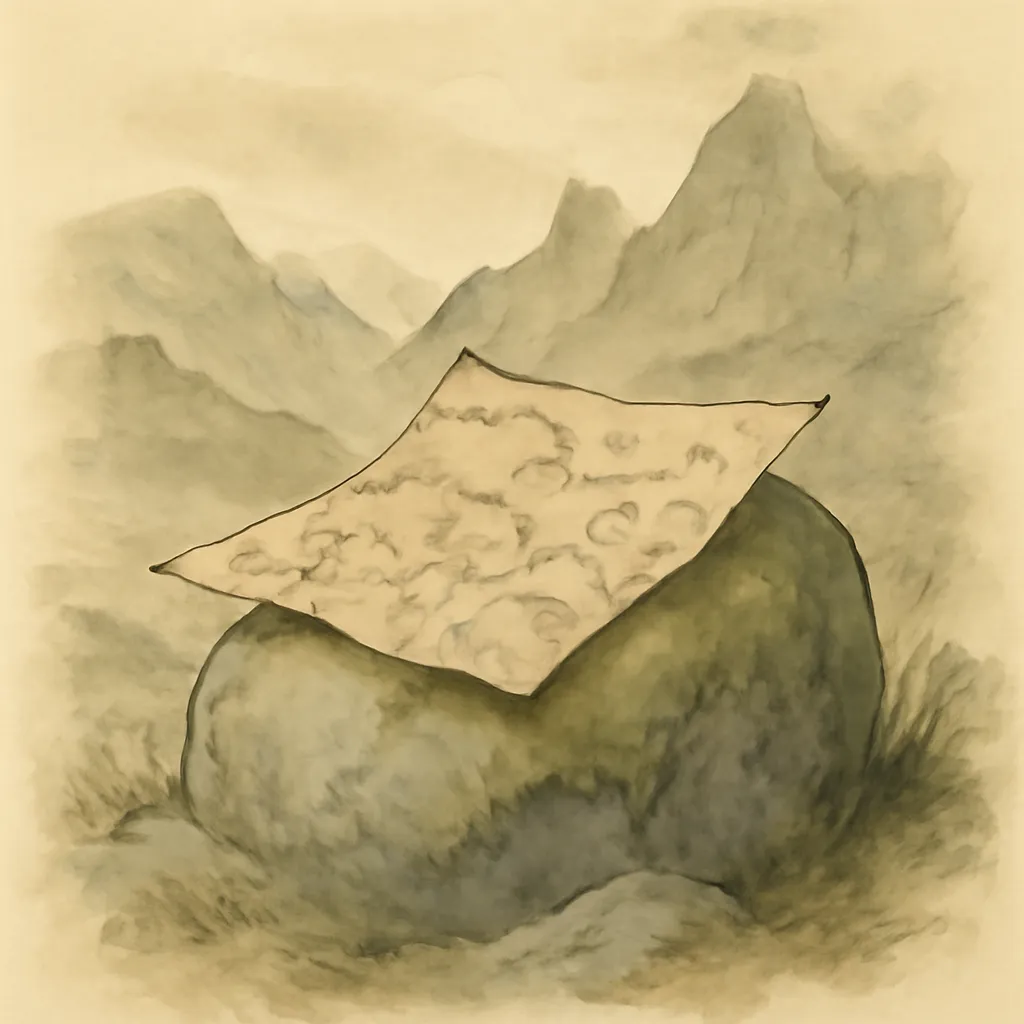
The protagonist's possession of ancient maps and books symbolizes the quest for knowledge as a guiding force in the journey through the unknown. These artifacts serve as tangible links to the past, highlighting the importance of preserving and learning from history. Burroughs emphasizes that knowledge is not merely academic but a vital tool for survival and navigation in a world stripped of its former glory. The characters' reliance on these maps underscores the notion that understanding one's roots is essential to confronting present challenges. This theme resonates with readers, encouraging them to value education and exploration as lifelong pursuits. Burroughs suggests that the quest for knowledge enriches our lives, broadens our perspectives, and empowers us to forge meaningful connections with others. In an age where misinformation can cloud our understanding, the narrative serves as a reminder of the significance of seeking truth and wisdom.
5.Civilization and Its Fragility
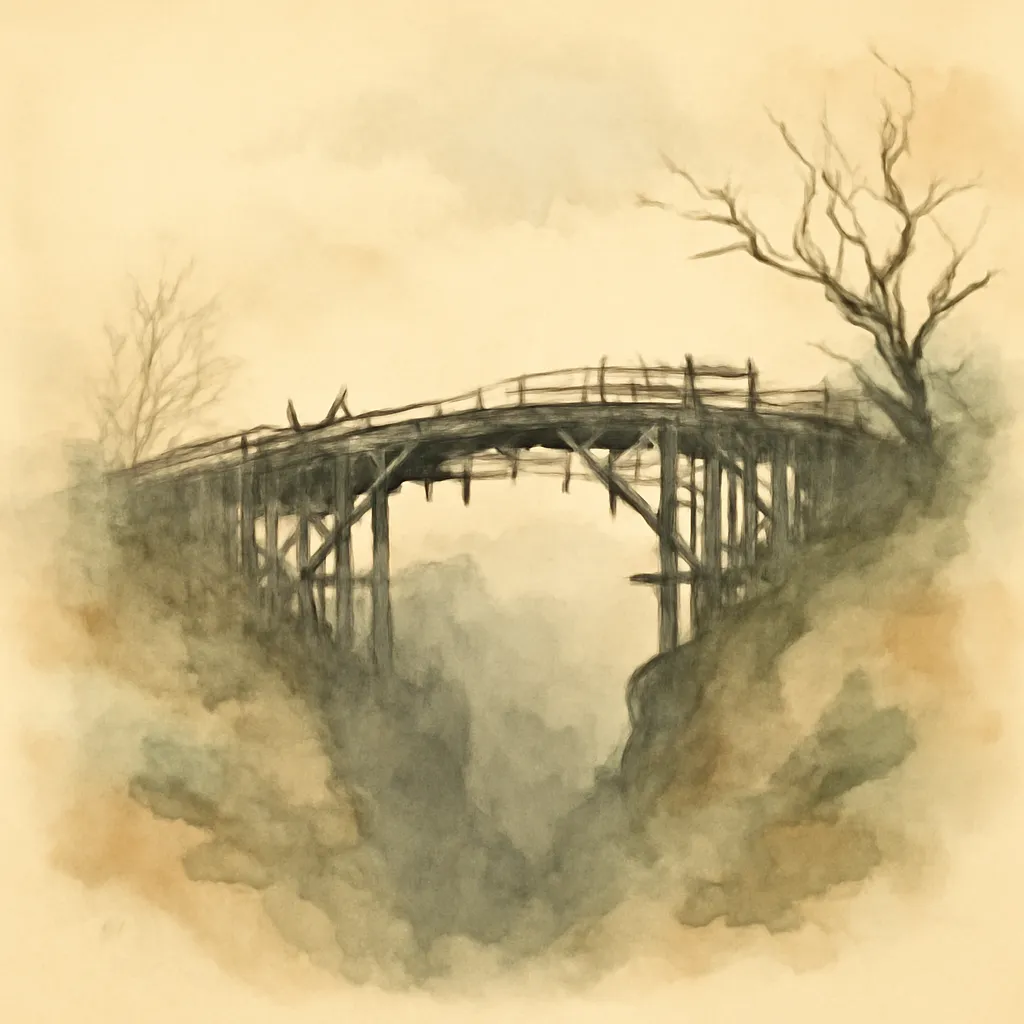
Burroughs delves into the essence of civilization, prompting readers to consider what defines humanity itself. Through the explorers' encounters with the remnants of urban life and the raw power of nature, the narrative interrogates the stability of the structures we take for granted. The explorers find themselves in a world where the markers of civilization—such as buildings, roads, and societal norms—have been reclaimed by nature, serving as a powerful metaphor for the transient nature of human achievements. The crumbling ruins of London illustrate how quickly civilization can be dismantled, raising questions about the ethical responsibilities that come with power and progress. Burroughs invites readers to reflect on their own societies, urging them to recognize the delicate balance that sustains civilization and to consider the potential consequences of neglecting this balance. The exploration of civilization's fragility encourages a deeper appreciation for the connections that bind us as a society and the values that underpin our collective existence.
6.Redefining Gender Roles
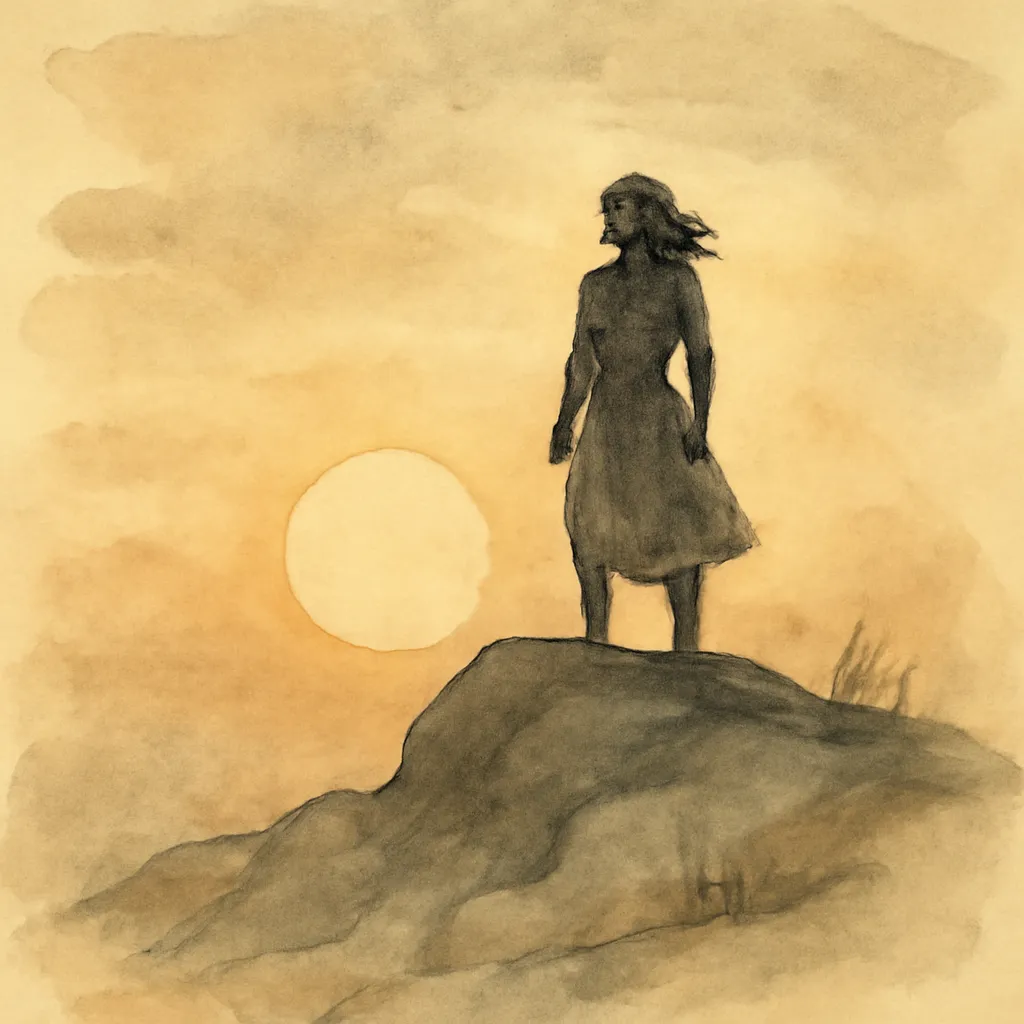
In a world stripped of modern conveniences and societal norms, the character of Victory emerges as a powerful figure who challenges traditional gender roles. Her ability to navigate danger and confront challenges head-on showcases a new model of femininity, one defined by strength, intelligence, and resilience. Burroughs portrays her as an equal partner to the protagonist, emphasizing the importance of collaboration and mutual respect in overcoming obstacles. This portrayal subverts conventional expectations, highlighting that strength comes in various forms and contexts. Victory's character invites readers to reconsider the roles women play in society, especially in times of upheaval and uncertainty. Her courage and determination serve as a reminder that individuals, regardless of gender, can be formidable forces in shaping their destinies. Burroughs' nuanced depiction of gender dynamics enriches the narrative, prompting discussions about equality and empowerment in modern contexts.
7.The Human Connection: Isolation vs. Community
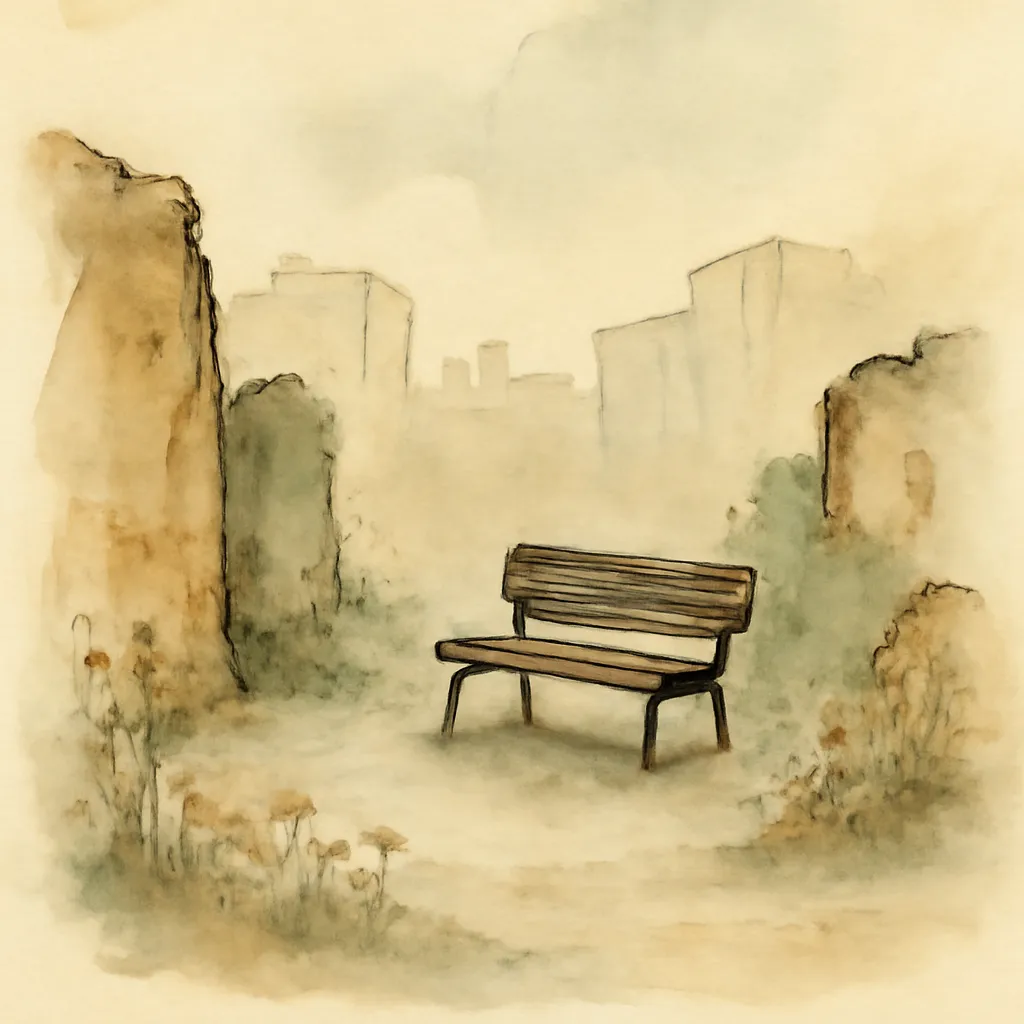
As the explorers traverse the haunting landscapes of Europe, the themes of isolation and the yearning for connection become increasingly pronounced. The desolation of the abandoned cities amplifies feelings of loneliness, reminding characters and readers alike of the innate human desire for companionship. Burroughs skillfully contrasts the explorers' isolation with their growing bonds, emphasizing that connection is vital for navigating life's challenges. Their shared experiences and mutual support strengthen their resolve, illustrating how relationships can serve as lifelines in times of crisis. This exploration of the human connection resonates deeply, encouraging readers to reflect on their own relationships and the importance of community in fostering resilience. In an increasingly fragmented world, Burroughs' narrative underscores the enduring significance of empathy, solidarity, and collaboration in overcoming adversity.
8.Power Dynamics in a Post-Apocalyptic World
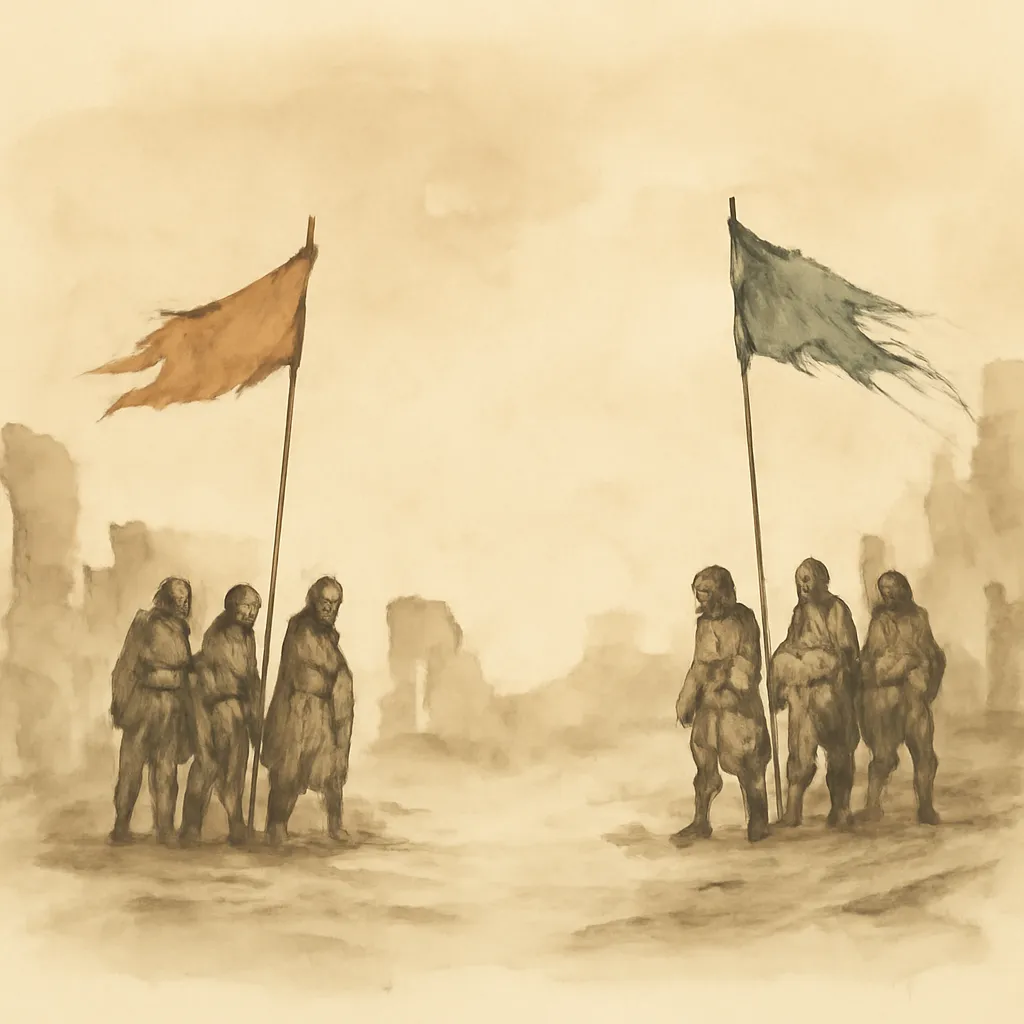
The narrative further investigates the struggle for power and control among various factions in the post-apocalyptic landscape. The explorers encounter threats not only from wild animals but also from different human groups vying for dominance. This struggle for power reveals the darker aspects of human nature, as individuals confront moral dilemmas and the consequences of ambition. Burroughs artfully depicts the complexities of leadership, loyalty, and betrayal, particularly through the explorers' interactions with their captors. The ethical implications of power dynamics are laid bare, prompting readers to question the motivations behind ambition and authority. The narrative serves as a cautionary tale, reminding us that power, when unchecked, can lead to chaos and suffering. Through this exploration, Burroughs encourages readers to consider the responsibility that comes with leadership and the importance of ethical decision-making.
9.Reclaiming Identity Amidst Chaos
As the explorers navigate the remnants of ancient cities, they grapple with more than just external dangers; they confront internal struggles related to identity and belonging. The journey through the ruins serves as a metaphor for reclaiming one's sense of self amidst the chaos of a transformed world. Burroughs emphasizes the importance of understanding one's roots and history in shaping identity, suggesting that our pasts play a crucial role in informing our present selves. The characters' reflections on their previous lives and what they have lost illustrate the complexities of navigating change. This theme resonates with readers, urging them to consider their own identities in the context of a rapidly evolving society. Burroughs invites us to embark on our own journeys of self-discovery, reminding us that reclaiming our identities is an essential part of the human experience, particularly in times of upheaval and uncertainty.