

Happiness · ancient wisdom · brain research
The Happiness Hypothesis: Finding Modern Truth in Ancient Wisdom by Jonathan Haidt — Summary, Key Ideas & Quotes
2005317 pages✦ 3-min Big ideas★ 4.3 (16)
Rate it
Applies the latest findings in psychology and brain research to the wisdom of the ancients to define what makes people happy and how you can find more happiness in your life. Confirms and builds on the happiness formula defined by other psychologists: H=S+C+V or Happiness = your biological Setpoint + the Conditions of your life + the Voluntary activities you do
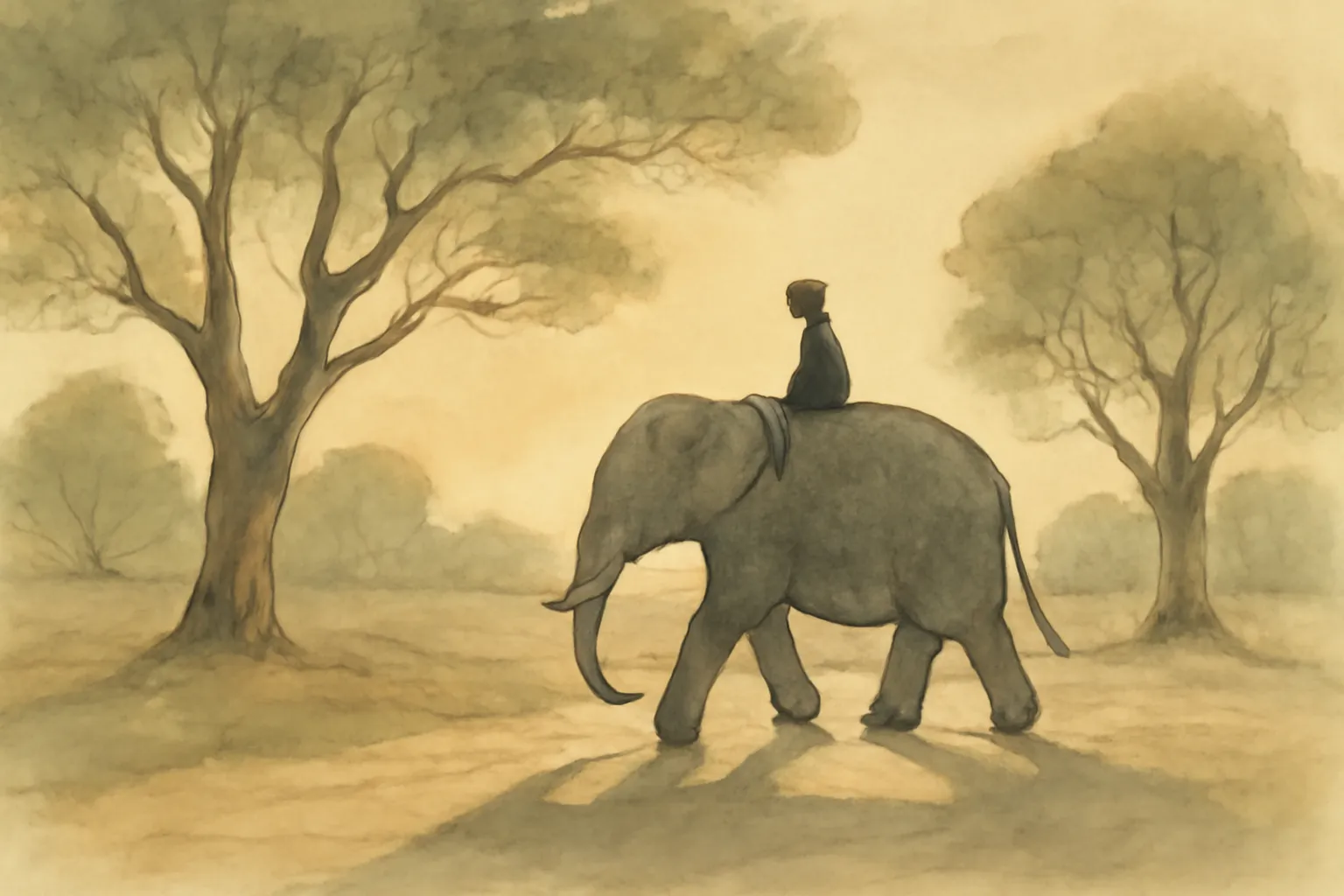
Haidt introduces the metaphor of the mind as a rider (reason) atop an elephant (emotion and intuition), arguing that much of our behavior is driven by unconscious processes. While we like to believe we are rational beings, our emotions and intuitions often lead, with reason serving more as a justifier than a guide. Recognizing this division helps us understand why self-control is difficult and why changing habits or perspectives requires more than just willpower.
Drawing on research, Haidt explains that each person has a genetic 'set point' for happiness, a baseline level to which we tend to return despite life’s ups and downs. While circumstances and choices matter, this set point means that lasting happiness from external achievements or possessions is limited. However, intentional activities and mindset shifts can move the needle, even if only modestly.
“Happiness comes from between.”
“The mind is divided, like a rider on an elephant, and the rider’s job is to serve the elephant.”
“Love and work are to people what water and sunshine are to plants.”