1.The Divided Self
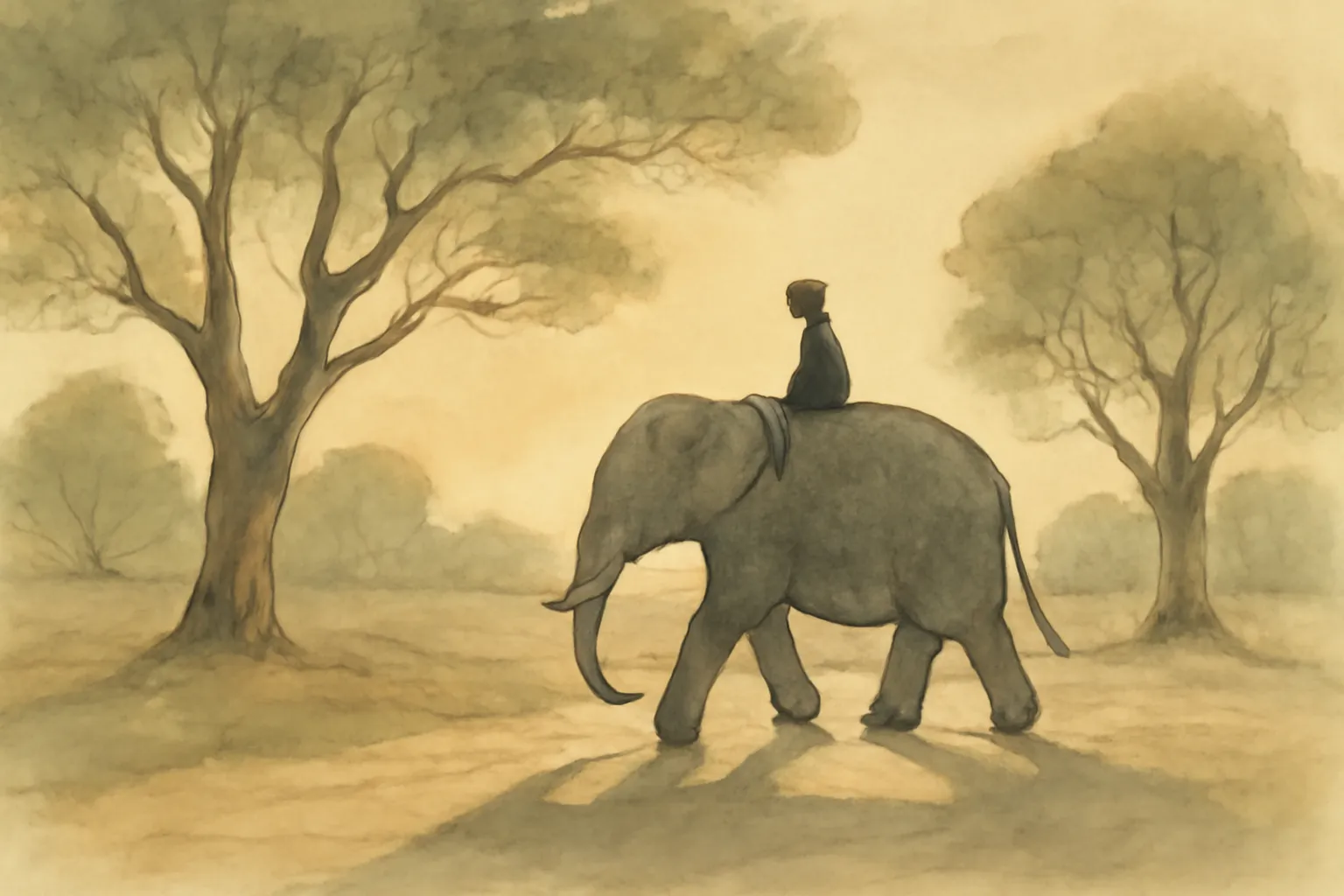
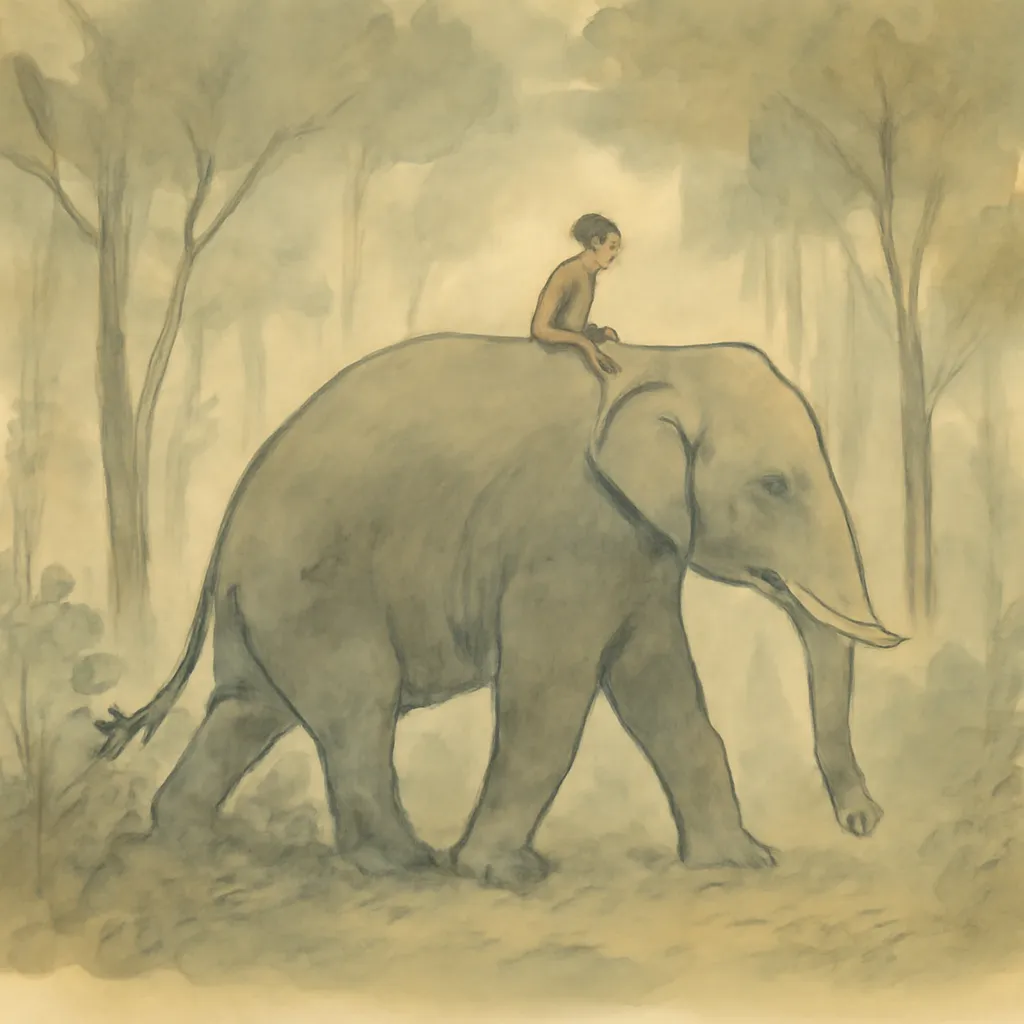
Haidt introduces the metaphor of the mind as a rider (reason) atop an elephant (emotion and intuition), arguing that much of our behavior is driven by unconscious processes. While we like to believe we are rational beings, our emotions and intuitions often lead, with reason serving more as a justifier than a guide. Recognizing this division helps us understand why self-control is difficult and why changing habits or perspectives requires more than just willpower.
2.Happiness Set Point
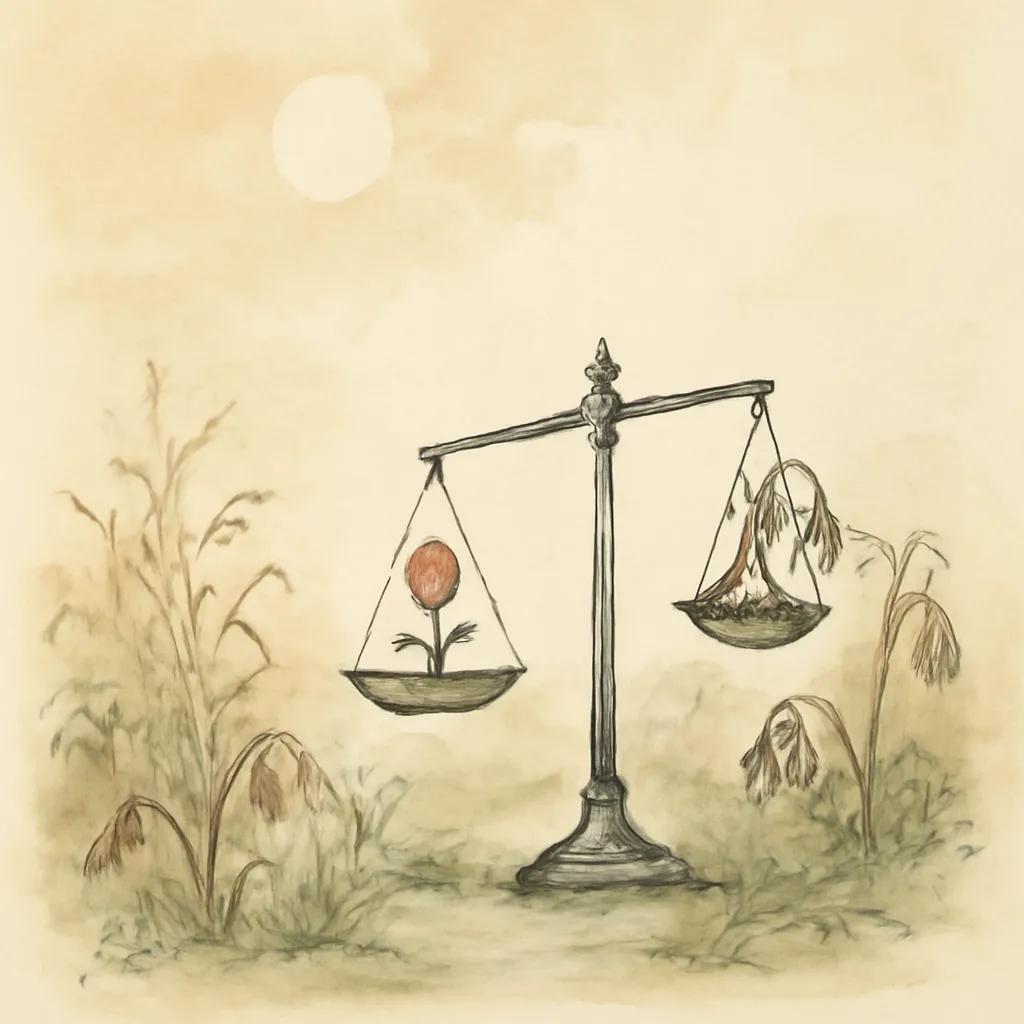
Drawing on research, Haidt explains that each person has a genetic 'set point' for happiness, a baseline level to which we tend to return despite life’s ups and downs. While circumstances and choices matter, this set point means that lasting happiness from external achievements or possessions is limited. However, intentional activities and mindset shifts can move the needle, even if only modestly.
3.The Power of Relationships
The book highlights that meaningful social connections are among the strongest predictors of happiness. Ancient wisdom and modern studies converge on the idea that love, friendship, and community are essential for well-being. Investing in relationships—through kindness, gratitude, and forgiveness—creates a positive feedback loop that sustains happiness far more reliably than material success.
4.Finding Meaning and Purpose
Haidt argues that happiness is not just about pleasure but also about meaning. Drawing from ancient philosophies and psychological research, he shows that people who find purpose—whether through work, religion, or service—report greater life satisfaction. Meaning provides resilience in the face of adversity and aligns our actions with something larger than ourselves.
5.Adversity and Growth
Rather than avoiding hardship, Haidt suggests that facing adversity can foster growth and deeper happiness. The concept of 'post-traumatic growth' shows that people often emerge from challenges with greater appreciation for life, stronger relationships, and a clearer sense of purpose. This echoes ancient teachings that suffering can be transformative when met with the right mindset.
6.The Limits of External Change
The book cautions against overvaluing external circumstances—wealth, status, or even major life events—as sources of lasting happiness. While improvements can provide temporary boosts, adaptation quickly returns us to our set point. True and enduring happiness, Haidt argues, comes from internal changes: cultivating virtues, reshaping habits, and adopting a balanced perspective.