

Serie:Cerulean_Chronicles · American literature · New York Times bestseller
The House in the Cerulean Sea by TJ Klune — Summary, Key Ideas & Quotes
2019416 pages✦ 3-min Big ideas★ 4.4 (15)
Rate it
Linus is an uptight caseworker with a heart of gold working for the department in charge of magical youth. When he goes to investigate an orphanage on an island with supposedly dangerous children and an enigmatic leader Arthur, he’s expecting the worst. But it turns out he might be falling in love with Arthur and his charges.
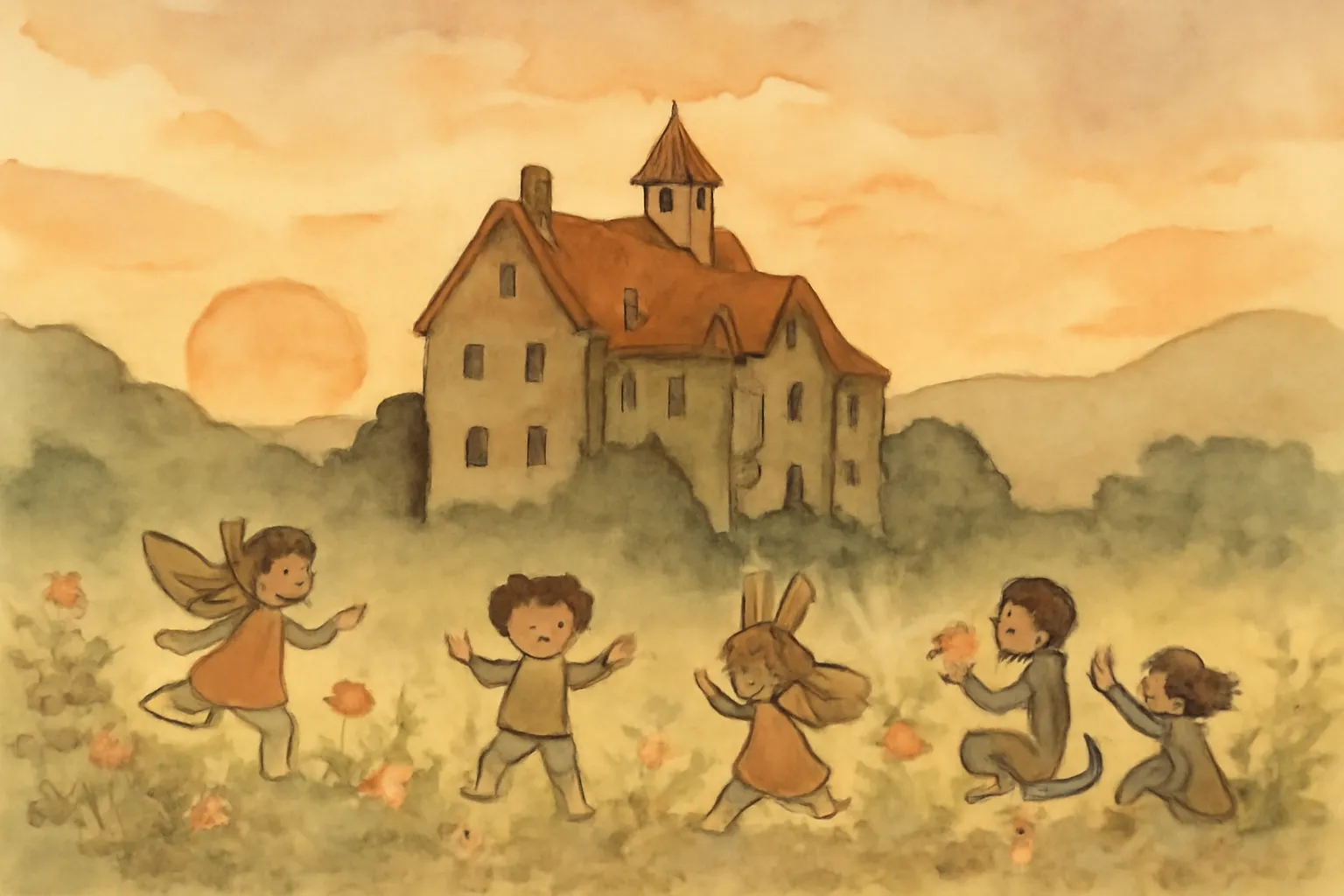
At its core, the novel explores the concept of found family—how people who seem out of place or unwanted can create their own supportive communities. Linus, the protagonist, arrives at the orphanage expecting to be an outsider, but gradually discovers that true belonging is forged through acceptance, empathy, and mutual care. The children, each unique and misunderstood, embody the idea that family is not defined by blood but by love and understanding.
Klune uses the setting of a government agency overseeing magical youth as a metaphor for institutional prejudice. Linus’s journey forces him to confront his own biases and the impersonal, often harmful, systems he represents. The book critiques how society labels those who are different as dangerous, and how bureaucratic indifference can perpetuate injustice. Through Linus’s transformation, readers are invited to question their own assumptions about 'otherness.'
“A home isn’t always the house we live in. It’s also the people we choose to surround ourselves with.”
“Just because you don’t experience prejudice in your everyday doesn’t stop it from existing for the rest of us.”
“We should always make time for the things we like. If we don’t, we might forget how to be happy.”