1.Found Family and Belonging
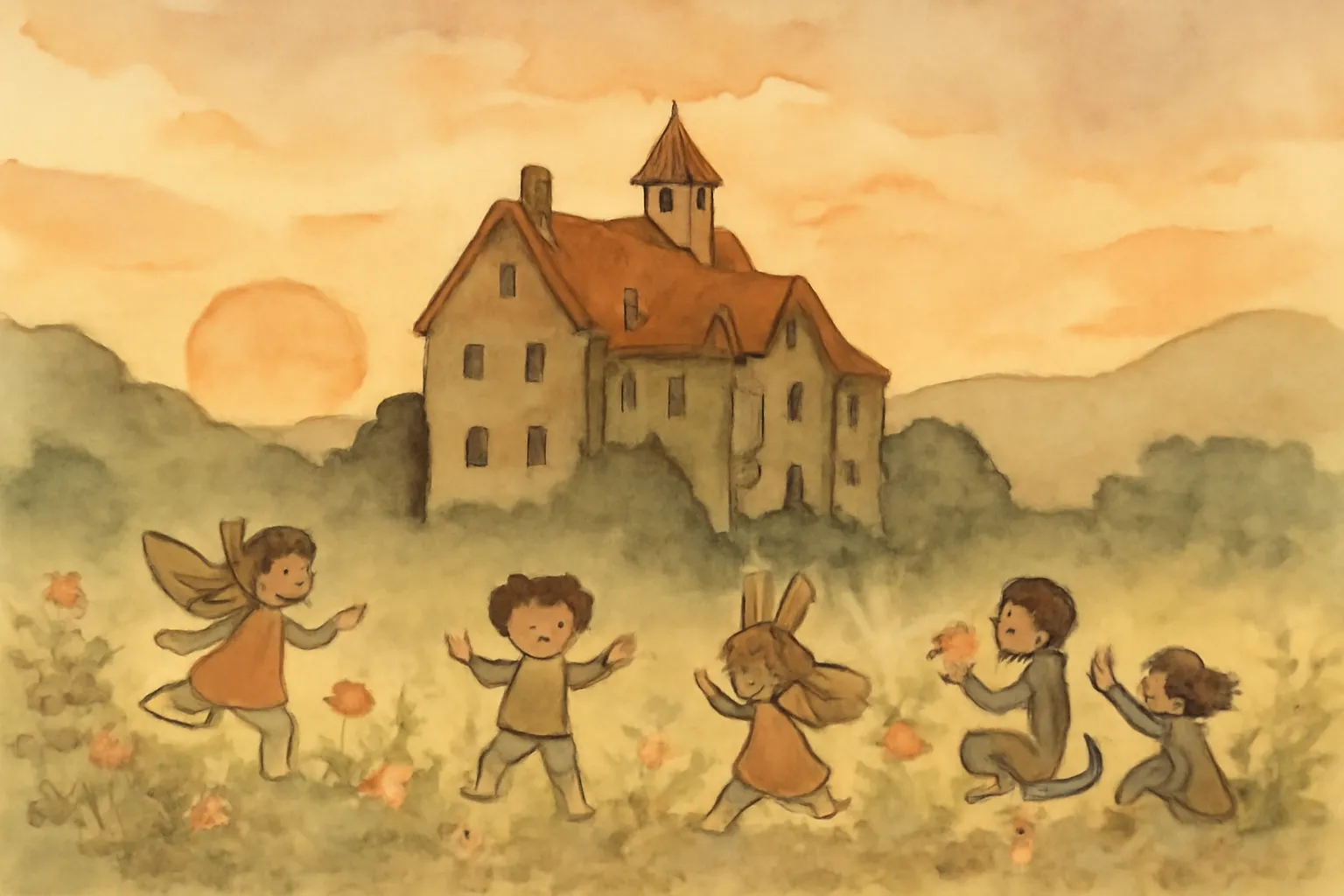
At its core, the novel explores the concept of found family—how people who seem out of place or unwanted can create their own supportive communities. Linus, the protagonist, arrives at the orphanage expecting to be an outsider, but gradually discovers that true belonging is forged through acceptance, empathy, and mutual care. The children, each unique and misunderstood, embody the idea that family is not defined by blood but by love and understanding.
2.Challenging Prejudice and Bureaucracy
Klune uses the setting of a government agency overseeing magical youth as a metaphor for institutional prejudice. Linus’s journey forces him to confront his own biases and the impersonal, often harmful, systems he represents. The book critiques how society labels those who are different as dangerous, and how bureaucratic indifference can perpetuate injustice. Through Linus’s transformation, readers are invited to question their own assumptions about 'otherness.'
3.The Power of Kindness
Kindness is a recurring theme, portrayed not as a weakness but as a radical, transformative force. Linus’s small acts of compassion ripple outward, changing the lives of the children and Arthur, the enigmatic headmaster. The novel suggests that even in the face of fear and suspicion, kindness can bridge divides and inspire change, both personal and societal.
4.Embracing Difference
Each child in the orphanage represents a different aspect of being 'othered'—from a gnome to the Antichrist. Rather than focusing on their magical abilities as threats, the story emphasizes their individuality, quirks, and vulnerabilities. Klune challenges readers to see beyond labels and stereotypes, advocating for a world where diversity is celebrated rather than suppressed.
5.Personal Growth and Courage
Linus’s arc is one of quiet bravery: stepping out of his comfort zone, questioning authority, and opening himself up to love and change. The book gently encourages readers to confront their fears, take risks for what is right, and recognize that growth often happens in unexpected places. The courage to be oneself—and to allow others the same freedom—is at the heart of the story.
6.Whimsy as Healing
The novel’s whimsical tone, gentle humor, and lush descriptions serve as more than just escapism; they’re a balm for readers weary of cynicism. The magical setting and quirky characters create a sense of wonder and hope, reminding us that joy and laughter are essential to healing and resilience.