

Children and the environment · Nature · Family & Relationships
The Last Child in the Woods: Saving Our Children from Nature-Deficit Disorder by Richard Louv — Summary, Key Ideas & Quotes
2005318 pages✦ 3-min Big ideas★ 3.0 (1)
Rate it
Richard Louv was the first to identify a phenomenon we all knew existed but couldn't quite articulate: nature-deficit disorder. His book Last Child in the Woods created a national conversation about the disconnection between children and nature, and his message has galvanized an international movement. Now, three years after its initial publication, we have reached a tipping point, with Leave No Child Inside initiatives adopted in at least 30 regions within 21 states, and in Canada, Holland, Australia, and Great Britain.This new edition reflects the enormous changes that have taken place since the book—and this grassroots movement— were launched. It includes:- 101 Things you can do to create change in your community, school, and family.- Discussion points to inspire people of all ages to talk about the importance of nature in their lives.- A new afterword by the author about the growing Leave No Child Inside movement.- New and updated research confirming that direct exposure to nature is essential for the physical and emotional health of children and adults.This is a book that will change the way you think about your future and the future of your children.
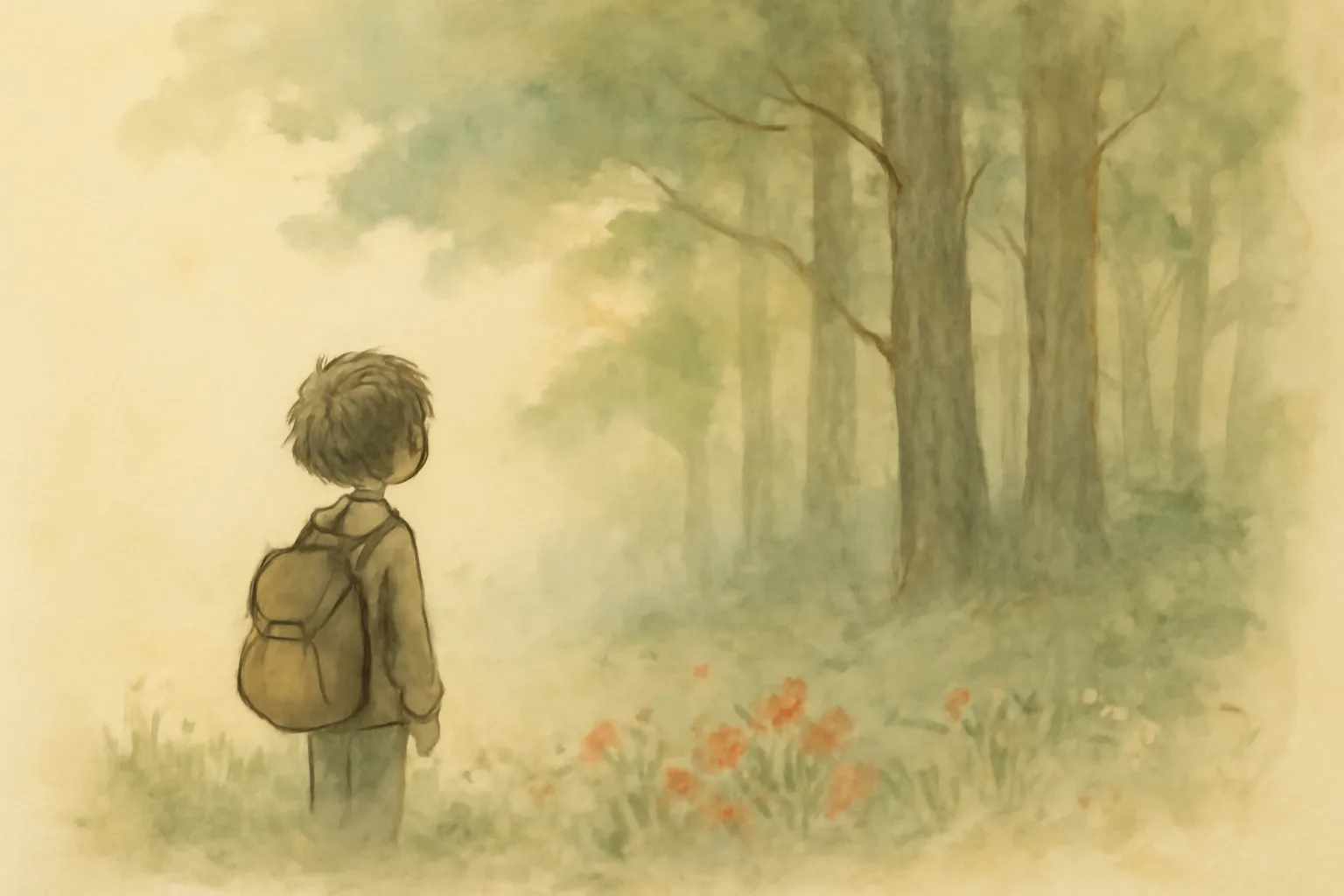
Louv introduces 'nature-deficit disorder' to describe the physical, mental, and emotional costs of children’s alienation from nature. He doesn’t claim it as a formal medical diagnosis, but as a metaphor for the widespread malaise afflicting kids who spend most of their time indoors. The book details how this deficit is linked to rising rates of obesity, attention disorders, depression, and anxiety, suggesting that the absence of unstructured outdoor play is a significant, overlooked factor in these trends.
Louv traces how, over recent decades, children’s lives have shifted indoors due to urbanization, parental fears, busy schedules, and the lure of digital entertainment. He argues that this shift is not just a loss of recreation, but a fundamental change in how young people experience the world, learn, and form their identities. The book draws on interviews, research, and personal stories to illustrate how earlier generations’ free-range exploration of woods and fields has been replaced by structured, supervised, and often sedentary activities.
“The child in nature is an endangered species, and the health of children and the health of the Earth are inseparable.”
“Passion is lifted from the earth itself by the muddy hands of the young; it travels along grass-stained sleeves to the heart.”