1.Nature-Deficit Disorder: A Modern Epidemic
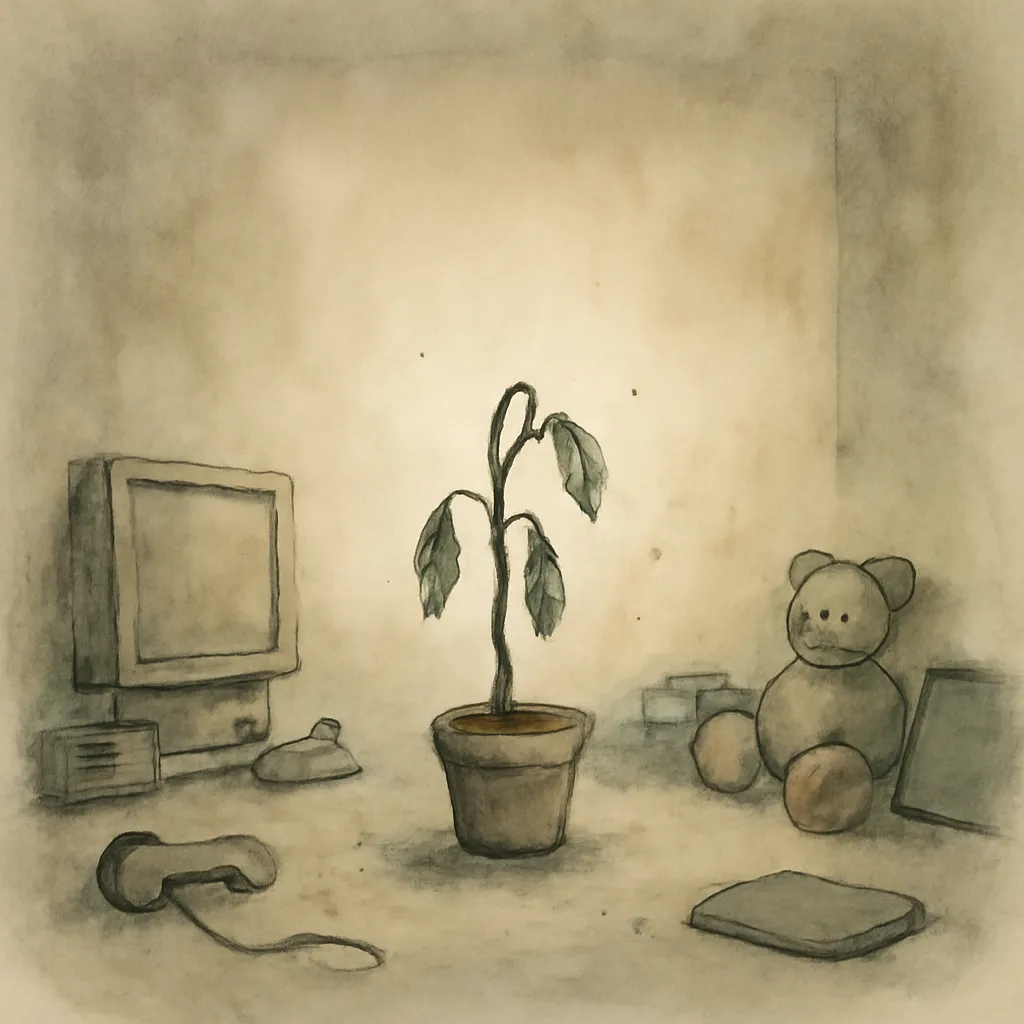
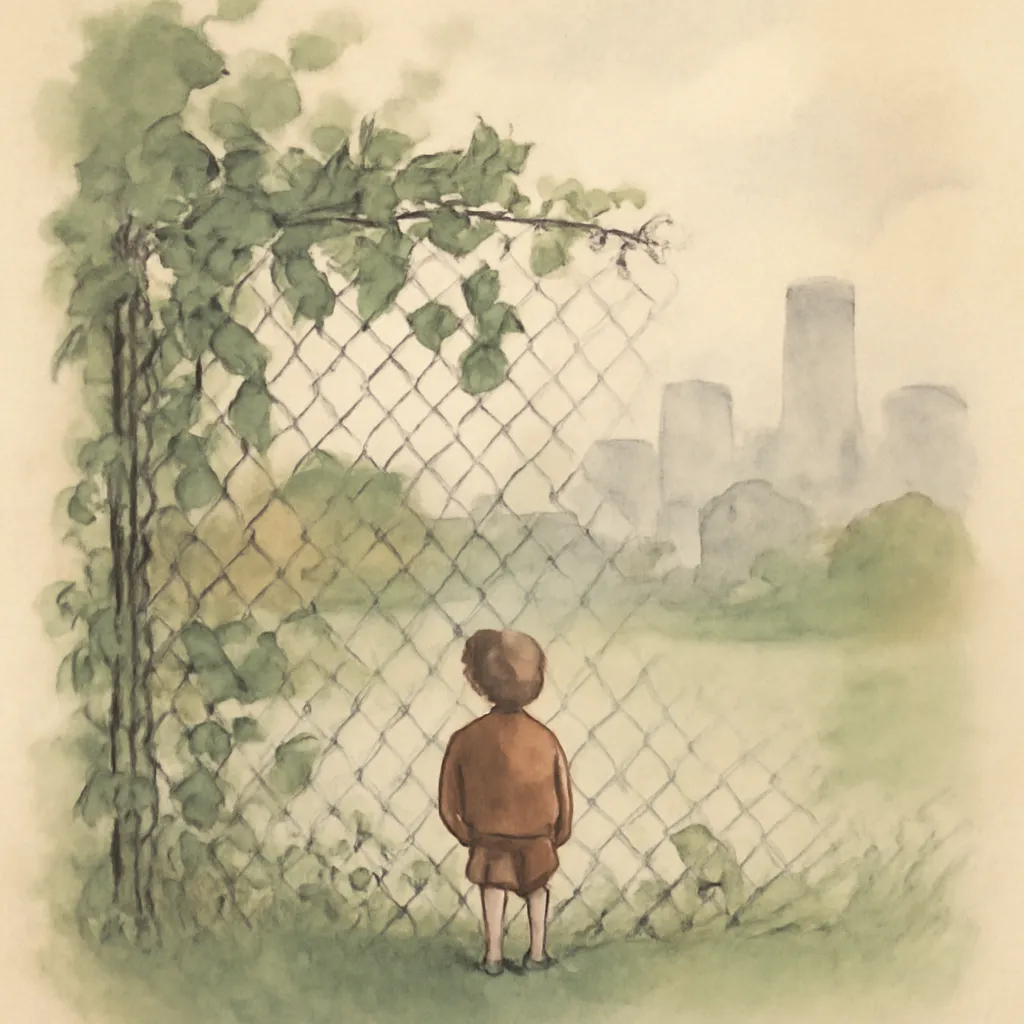
Louv introduces 'nature-deficit disorder' to describe the physical, mental, and emotional costs of children’s alienation from nature. He doesn’t claim it as a formal medical diagnosis, but as a metaphor for the widespread malaise afflicting kids who spend most of their time indoors. The book details how this deficit is linked to rising rates of obesity, attention disorders, depression, and anxiety, suggesting that the absence of unstructured outdoor play is a significant, overlooked factor in these trends.
2.The Changing Landscape of Childhood
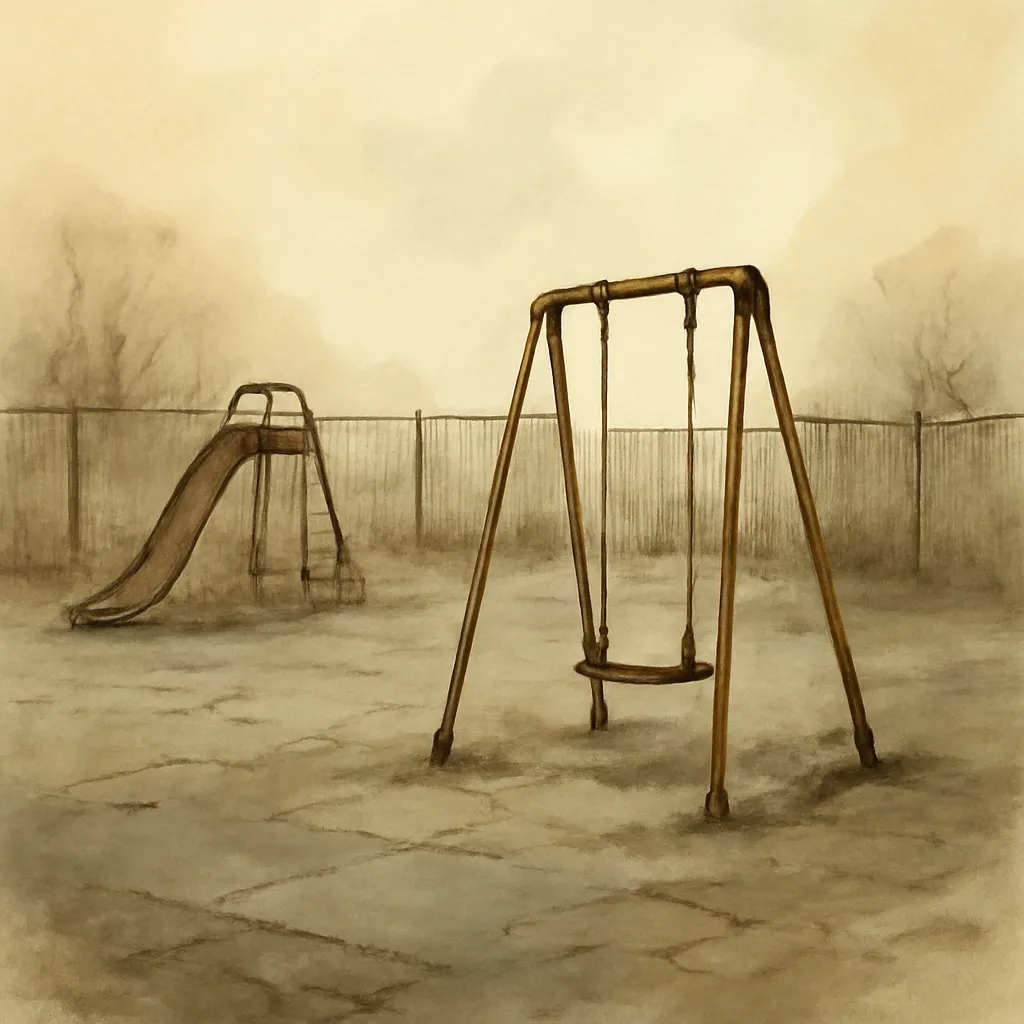
Louv traces how, over recent decades, children’s lives have shifted indoors due to urbanization, parental fears, busy schedules, and the lure of digital entertainment. He argues that this shift is not just a loss of recreation, but a fundamental change in how young people experience the world, learn, and form their identities. The book draws on interviews, research, and personal stories to illustrate how earlier generations’ free-range exploration of woods and fields has been replaced by structured, supervised, and often sedentary activities.
3.Nature’s Role in Healthy Development
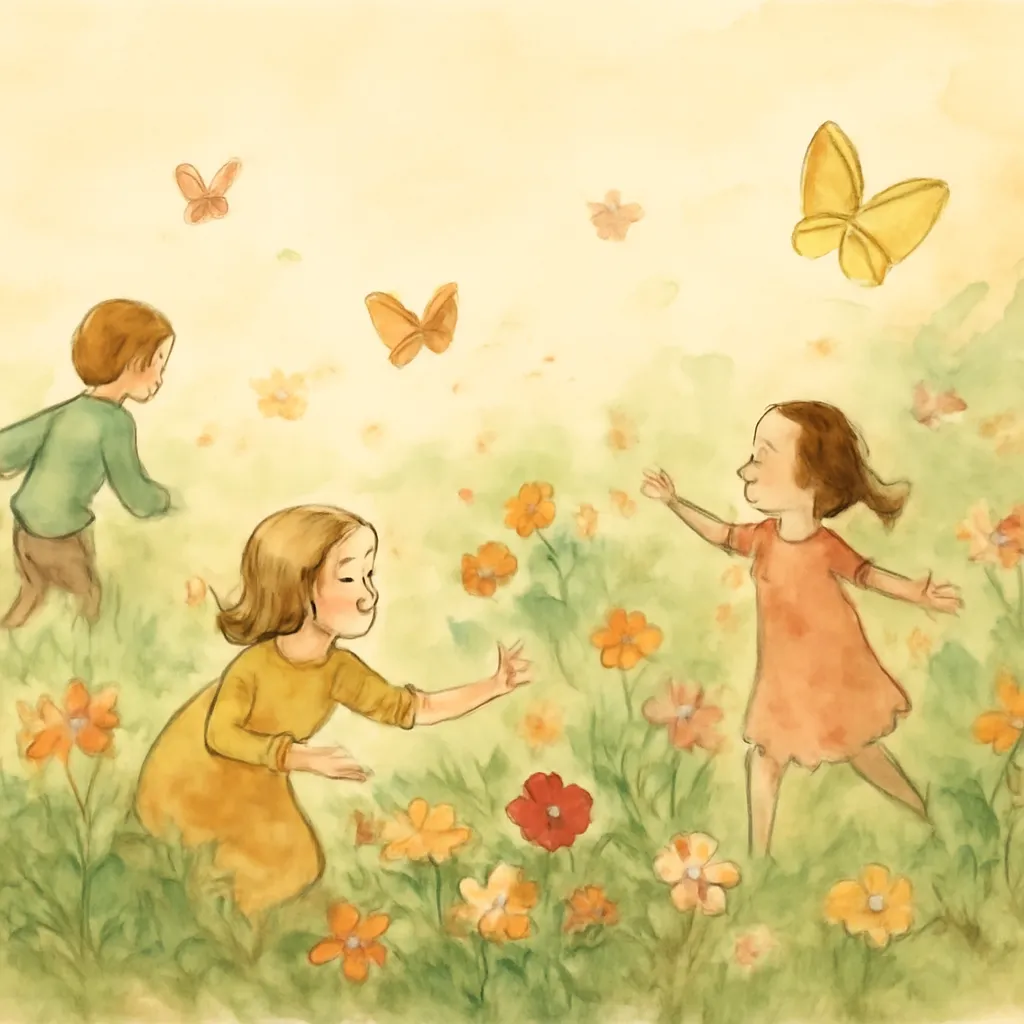
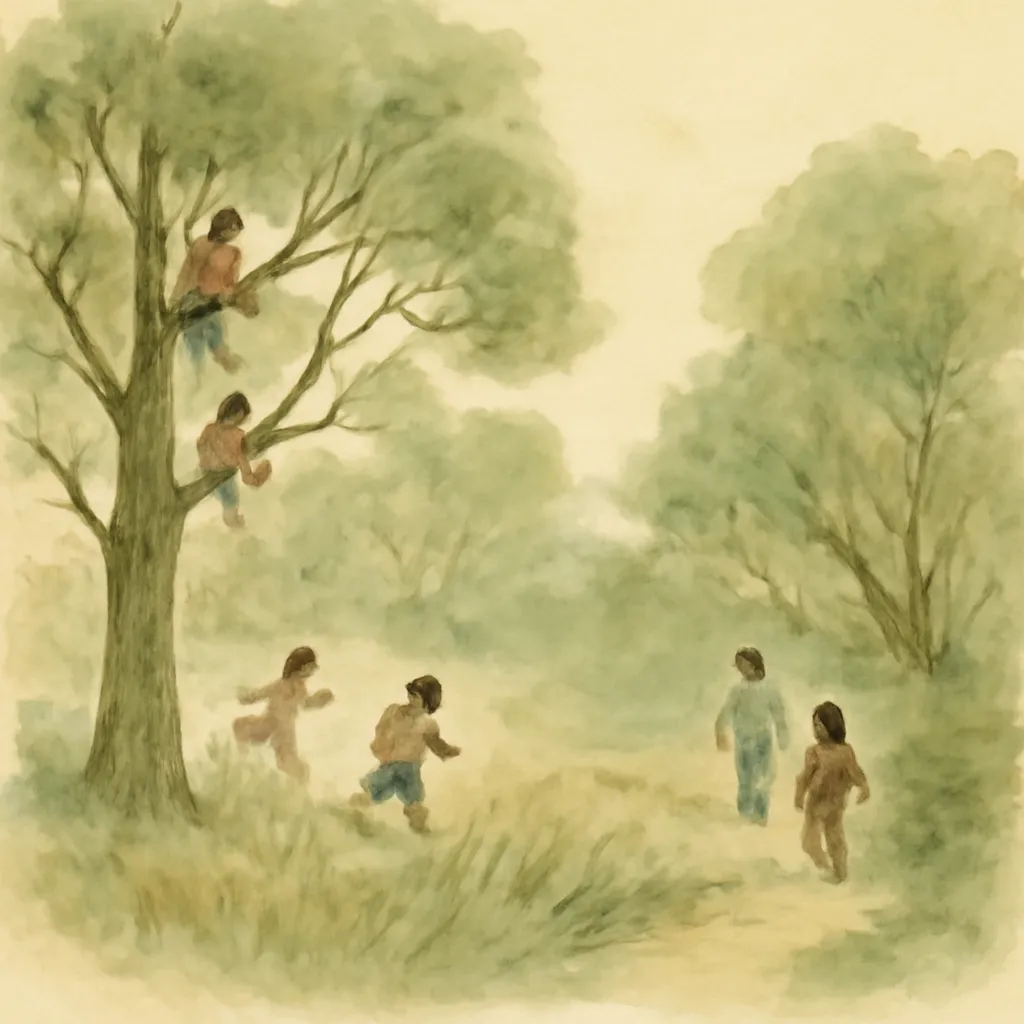
A core argument is that direct, frequent contact with nature is essential for children’s cognitive, emotional, and physical development. Louv synthesizes research showing that outdoor play fosters creativity, problem-solving, resilience, and social skills. He also highlights evidence that exposure to green spaces can help reduce symptoms of ADHD and stress, and may even improve academic performance. Nature, he suggests, is not a luxury but a necessity for healthy growth.
4.Barriers to Outdoor Experience
The book examines why children are increasingly cut off from nature, pointing to factors like parental fears (of strangers, accidents, or legal liability), restrictive community design, and educational policies that prioritize test scores over recess or field trips. Louv critiques the culture of risk-aversion and over-scheduling, arguing that these trends not only limit children’s freedom but also undermine their ability to develop independence and confidence.
5.The Case for Rewilding Childhood
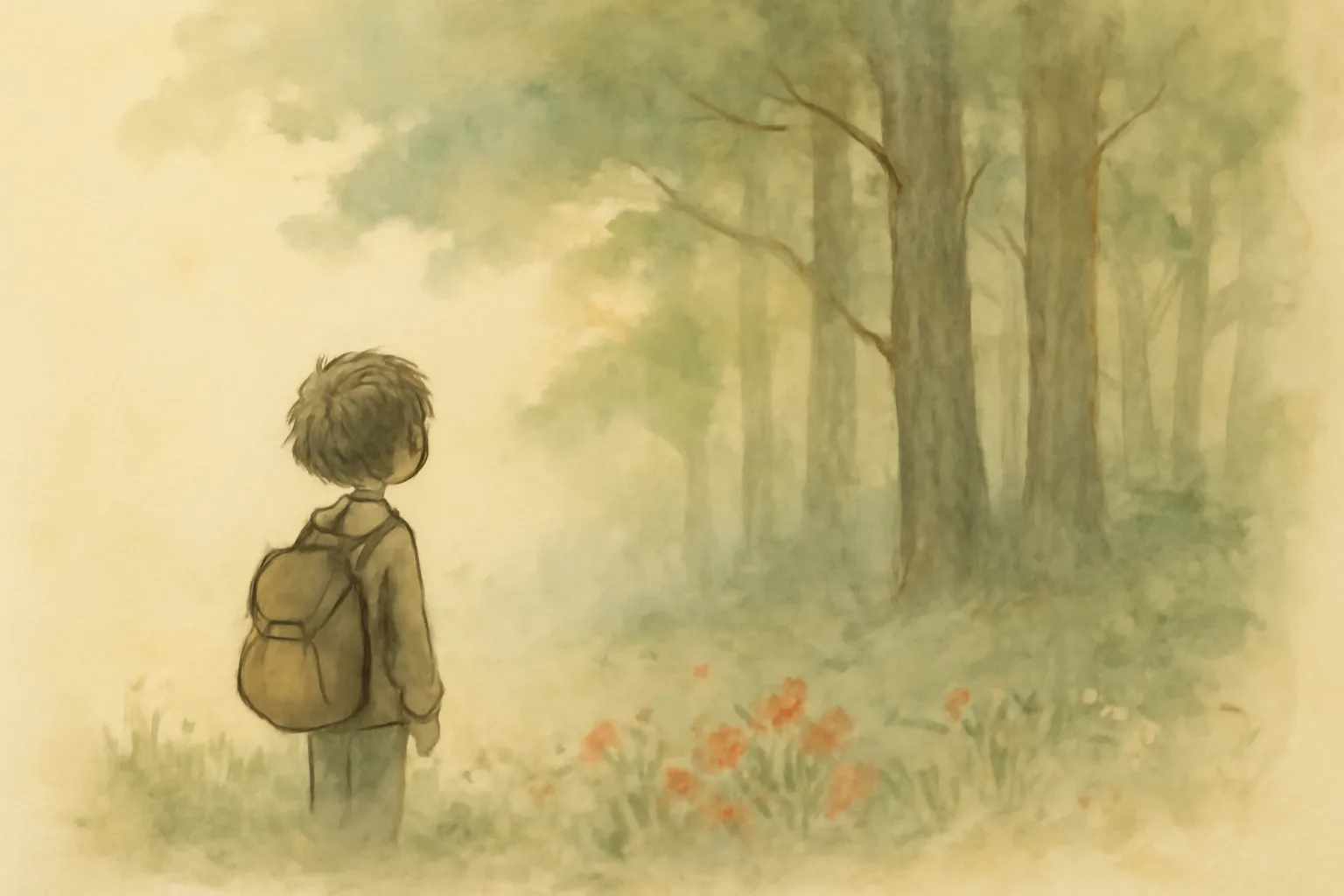
Louv doesn’t just diagnose a problem; he offers a vision for change. He advocates for 'rewilding' childhood by making nature accessible and inviting again—through family routines, school programs, urban planning, and community activism. The book includes practical ideas and success stories, emphasizing that reconnecting kids with nature is possible and urgent. Louv sees this movement as essential not just for children’s sake, but for the future of environmental stewardship.
6.A Call to Action for Families and Communities
The final sections of the book are a rallying cry for parents, educators, and policymakers to prioritize nature in children’s lives. Louv provides concrete suggestions—ranging from simple backyard activities to broader policy changes—that can help reverse nature-deficit disorder. He frames this as a collective responsibility, arguing that the health of future generations and the planet itself depend on restoring the bond between children and the natural world.