

Evolution (Biology) · History · Naturalists
The Making of the Fittest by Sean B. Carroll — Summary, Key Ideas & Quotes
2009331 pages✦ 3-min Big ideas★ 5.0 (2)
Rate it
Just 150 years ago, most of our world was an unexplored wilderness. Our sense of its age was vastly off the mark. And what we believed to be the history of our own species consisted of fantastic myths and fairy tales; fossils, known for millennia, were seen as the bones of dragons and other imagined creatures. How did we learn so much so quickly? Remarkable Creatures celebrates the pioneers who replaced our fancies with the even more remarkable real story of how our world evolved. - Jacket flap.
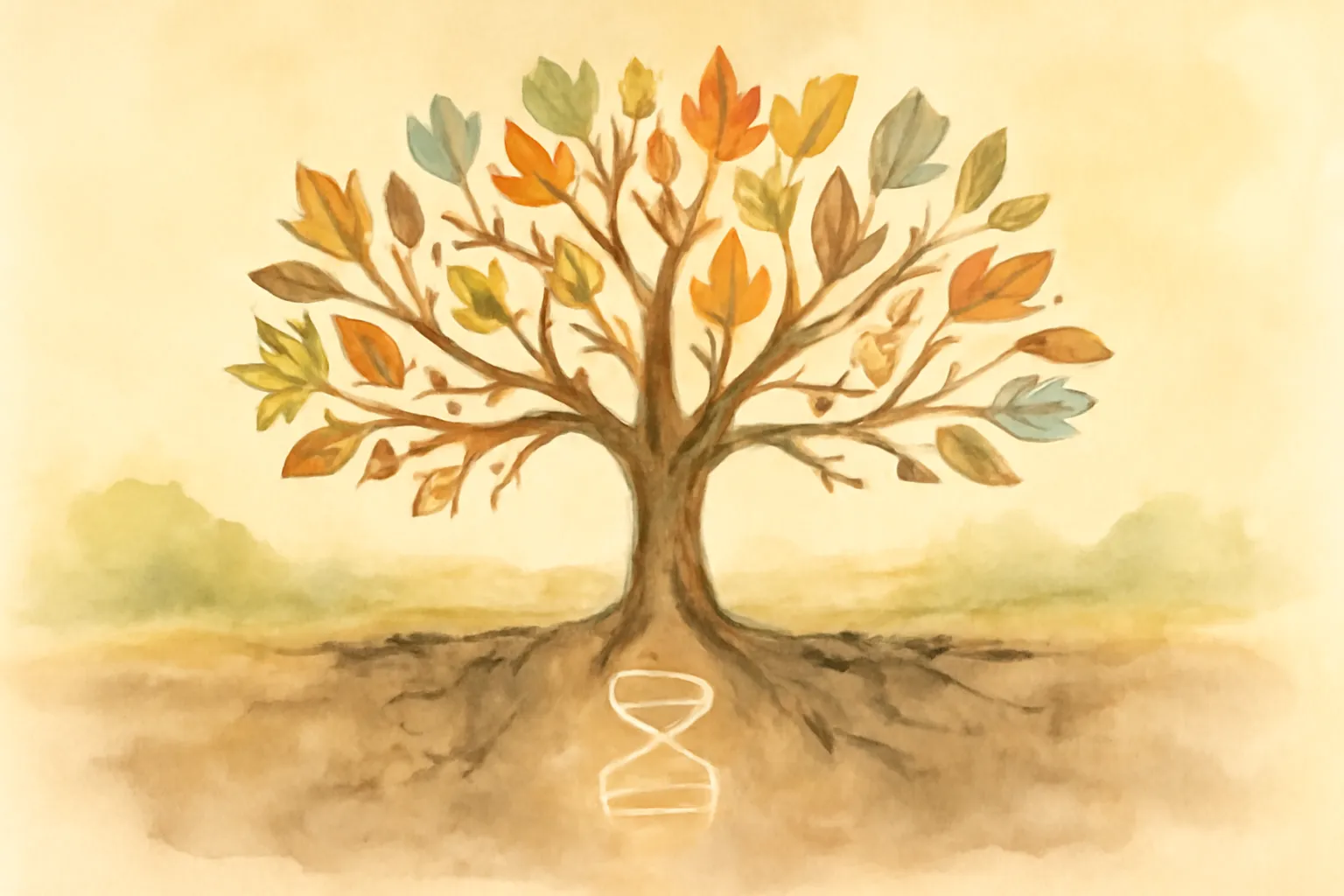
Carroll demonstrates that DNA is not just a blueprint for life, but also a historical archive. By comparing the genomes of different species, scientists can trace the origins of adaptations, reconstruct evolutionary relationships, and even pinpoint when key changes occurred. This molecular record provides a level of detail and certainty that fossil evidence alone cannot, allowing us to read evolution’s story in unprecedented depth.
Rather than treating evolution as something abstract or distant, Carroll shows how natural selection is an ongoing, observable process. He highlights case studies such as the evolution of antifreeze proteins in Arctic fish and the loss of pigmentation in cave-dwelling animals, illustrating how genetic mutations and environmental pressures interact to drive adaptation, sometimes with breathtaking speed.
“DNA is the language of evolution, written in every cell.”
