1.DNA as Evolution’s Record
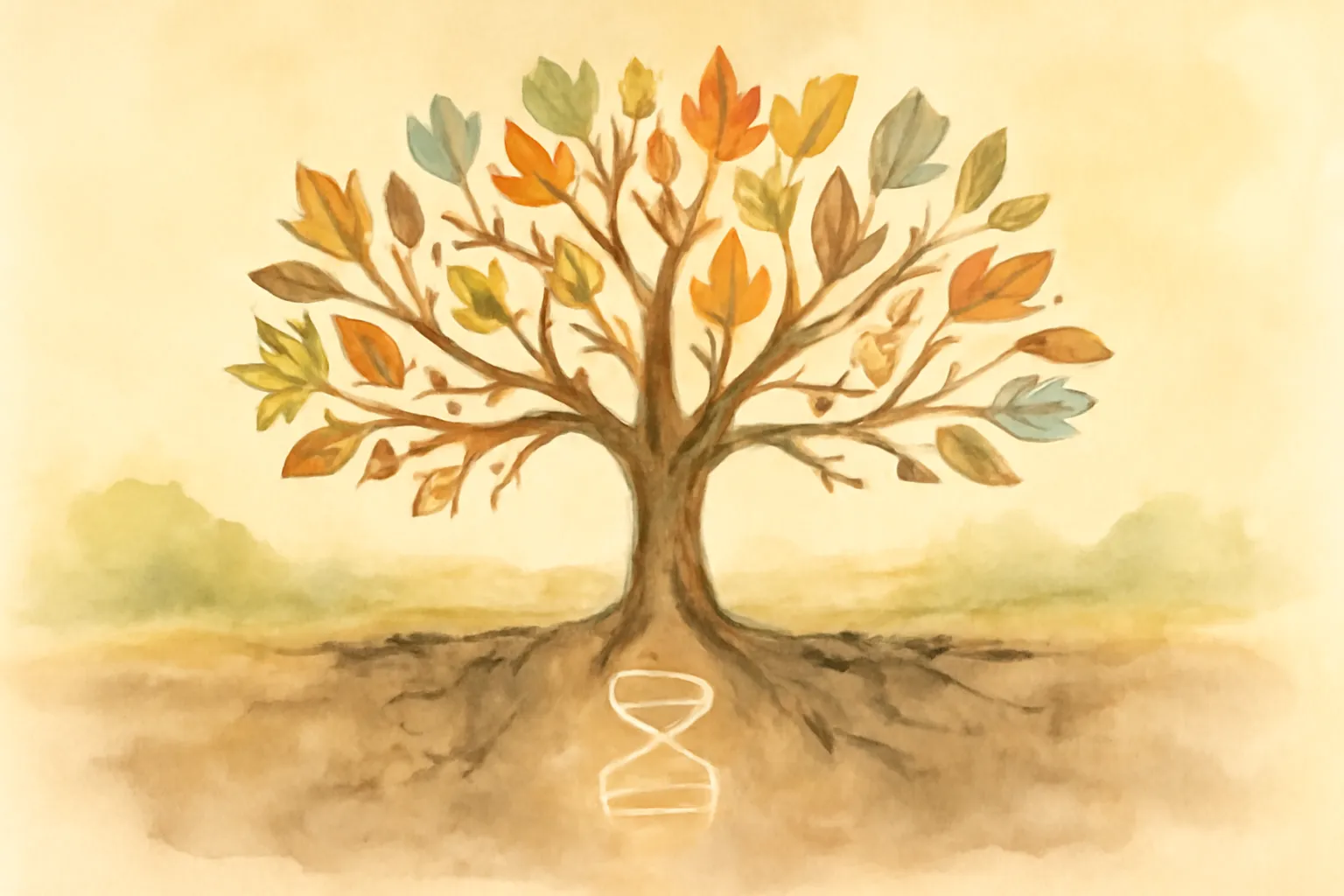
Carroll demonstrates that DNA is not just a blueprint for life, but also a historical archive. By comparing the genomes of different species, scientists can trace the origins of adaptations, reconstruct evolutionary relationships, and even pinpoint when key changes occurred. This molecular record provides a level of detail and certainty that fossil evidence alone cannot, allowing us to read evolution’s story in unprecedented depth.
2.The Power of Natural Selection in Real Time
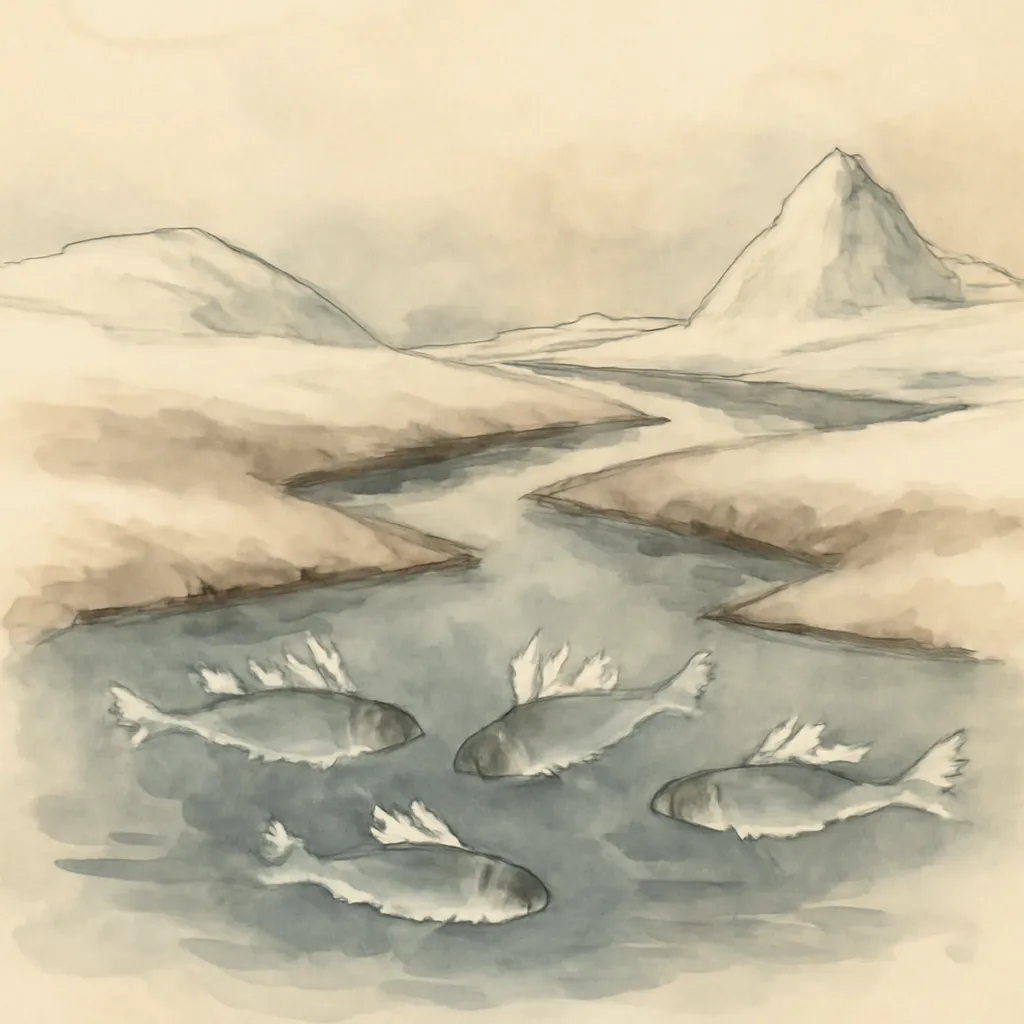
Rather than treating evolution as something abstract or distant, Carroll shows how natural selection is an ongoing, observable process. He highlights case studies such as the evolution of antifreeze proteins in Arctic fish and the loss of pigmentation in cave-dwelling animals, illustrating how genetic mutations and environmental pressures interact to drive adaptation, sometimes with breathtaking speed.
3.Genetic Evidence for Common Descent
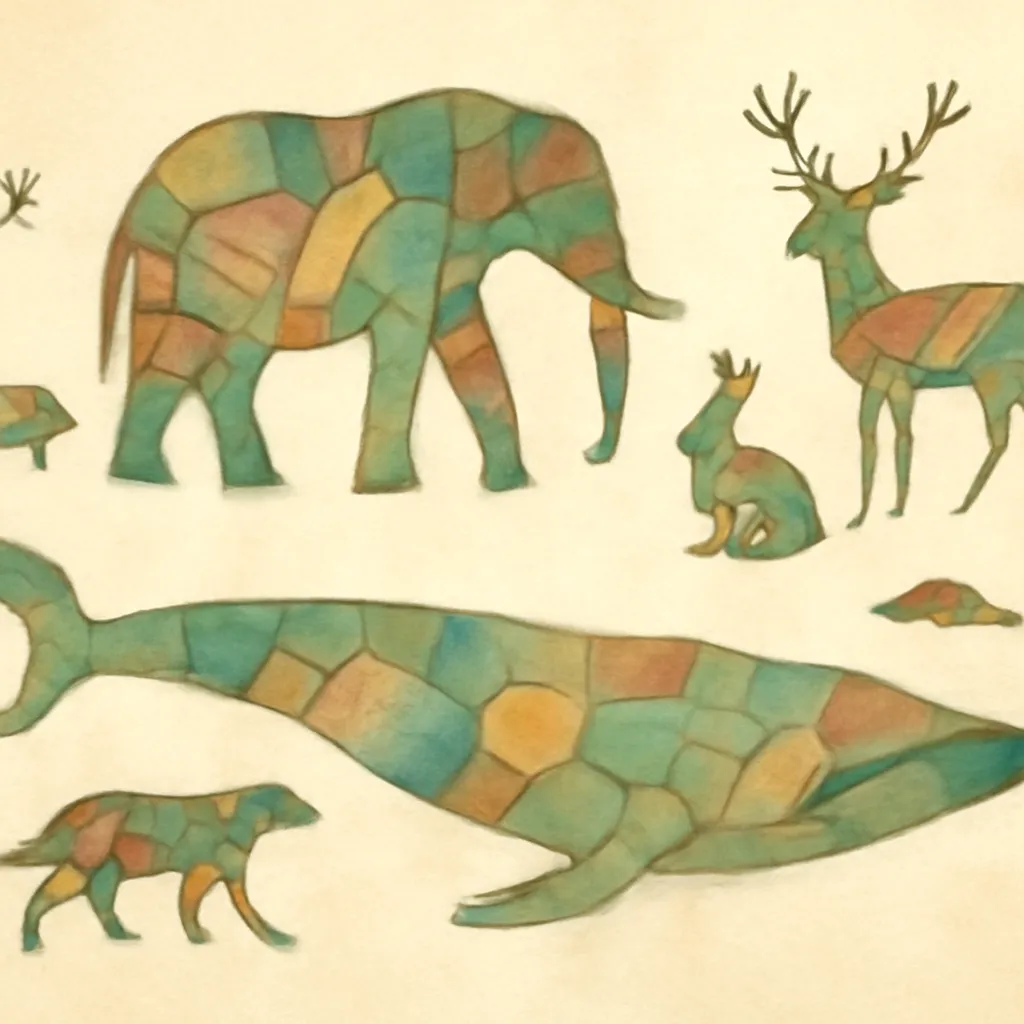
The book details how shared genetic sequences across diverse organisms provide irrefutable evidence for common ancestry. Carroll explains how certain genes—such as those controlling basic body plans—are conserved across vast evolutionary distances, while others mutate and diversify, creating the rich tapestry of life we see today.
4.Evolution’s Role in Human Health
Carroll connects evolutionary principles to contemporary issues in medicine, such as antibiotic resistance and genetic diseases. By understanding how pathogens evolve and how certain genetic traits persist or disappear, we gain crucial insights into combating disease and improving public health.
5.Debunking Evolutionary Myths
A significant portion of the book is dedicated to addressing and dismantling common misconceptions about evolution. Carroll uses clear genetic evidence to counter arguments from creationism and intelligent design, making a persuasive case for evolution as a robust, testable scientific theory.
6.The Beauty of Evolutionary Solutions
Carroll emphasizes not just the mechanics, but also the elegance and creativity of evolutionary processes. Through vivid examples, he shows how evolution crafts ingenious biological solutions, from the camouflage of Arctic animals to the streamlined efficiency of enzymes, highlighting nature’s capacity for innovation.